
A school lunch program does not fall apart because one person forgot one thing. It falls apart because the system asks busy people to remember too much at the worst possible time of day.
Lunch arrives when phones are ringing, teachers are transitioning students, kids are hungry, and the front office is already managing seventeen tiny emergencies. If ordering, delivery, labeling, and distribution are not clear before that moment, the cafeteria becomes improv theater. Nobody needs improv theater with burritos.
The fix is not a thicker binder. It is a cleaner operating rhythm: one order source, one cutoff, one roster structure, one delivery handoff, and one way to close the loop when something goes sideways.
Why this matters more right now
School food is getting more scrutiny, not less. USDA has been phasing in updates to school nutrition standards, including new added-sugar limits and sodium changes for programs that participate in federal school meals. USDA school nutrition updates are not the same thing as a local restaurant lunch program, but they shape parent expectations. Families are asking better questions about what kids are eating, how food is prepared, and who is accountable when something goes wrong.
At the same time, school meal operations are under pressure. SNA school meal statistics track district challenges around meal participation, unpaid meal debt, rising costs, staffing, and procurement. Different model, familiar pressure: schools need food systems that are easier to run and less dependent on heroic last-minute effort.
A lunch program is not good because it has a nice menu. It is good when the menu, orders, labels, delivery, and school-day handoff all survive contact with real people.
Start by naming the actual job
Most schools do not have a food problem. They have an ambiguity problem.
School lunch is not just food. It is a daily logistics event with money, timing, student data, parent expectations, restaurant prep, delivery, labeling, and service quality all crashing into the same thirty-minute window.
That sounds dramatic until you watch one unlabeled bag hit a front desk while three classrooms are asking where their lunches are. The problem is not that anyone is careless. The problem is that the job has too many handoffs to run on good intentions.
A healthy lunch program needs a simple owner map. Parents own the order. Restaurants own preparation and packaging. The school owns the on-site handoff. The platform should connect those pieces so the school is not translating between email threads, paper lists, and a last-minute text from somebody named "Lisa."
This is also why Buy My Lunch separates the paths for parents, schools, and restaurants. Each group has a different job. The smoother the roles, the calmer the lunchroom.
Useful definitions for school lunch operations
What is a school lunch handoff?
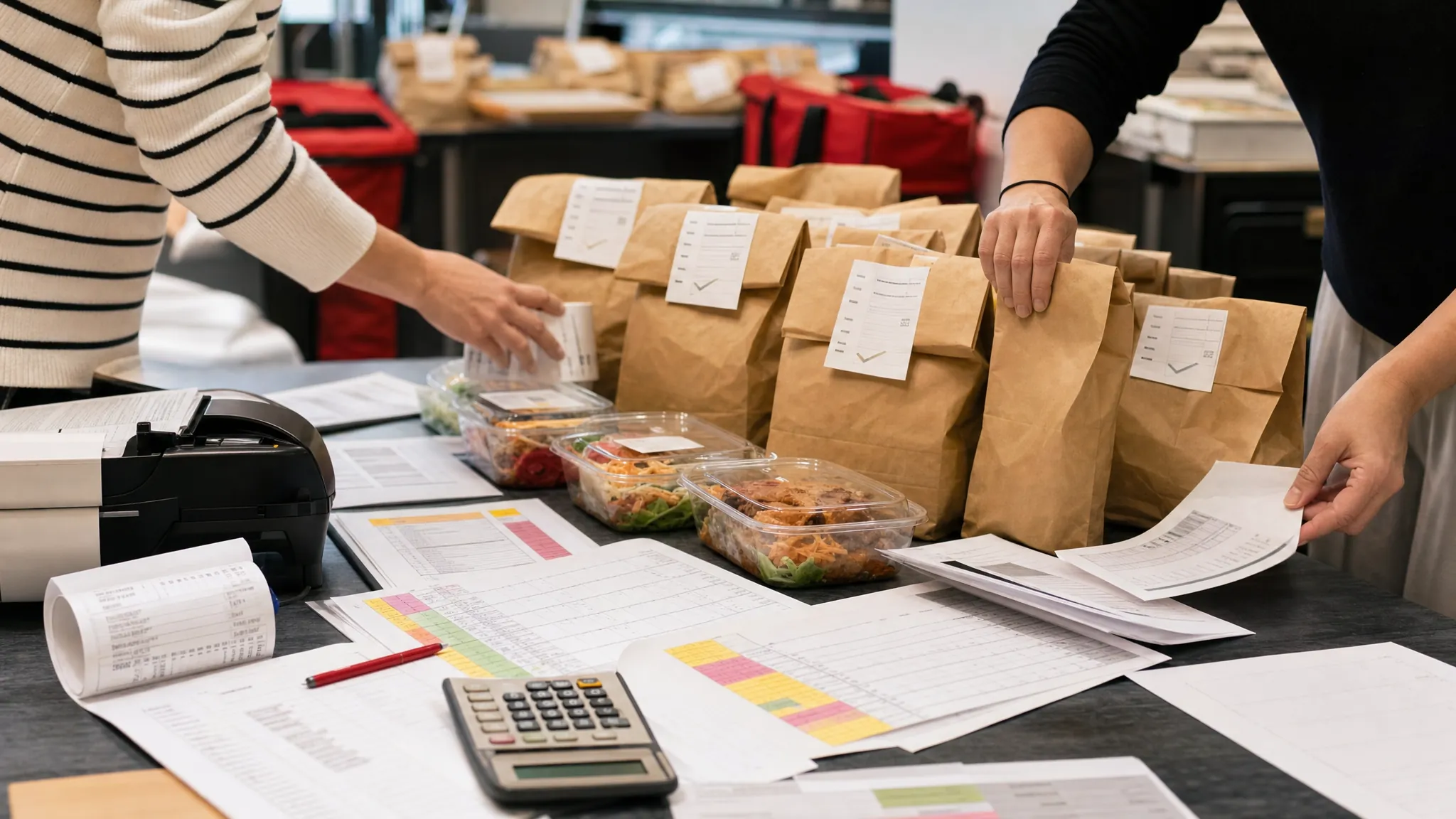
A school lunch handoff is the transfer point between restaurant delivery and the school day. It includes receiving the meals, checking the count, sorting by grade or homeroom, and getting each labeled order to the right student without turning the front office into a detective agency.
What is a school lunch ordering cutoff?
A school lunch ordering cutoff is the deadline that locks the next delivery day. A real cutoff protects the restaurant from guessing, gives the school a dependable count, and gives families a clear expectation instead of a moving target.
What is a Buyer ID?
A Buyer ID is a student-linked identifier used to match meals to students cleanly. It gives restaurants and schools a labeling and handoff reference beyond student names, paper lists, or someone remembering who ordered the pasta.
Use one order source
The fastest way to create lunch chaos is to accept orders in five different places. A parent emails one order. Another sends cash. Someone writes a note. A teacher keeps a list. A restaurant receives a spreadsheet that changed at 9:43 pm. By lunch the next day, everyone is technically trying. Nobody is working from the same truth.
One order source fixes that. Parents order in one place. Schools see one operational view. Restaurants prep from one count. When a parent asks what happened, the answer comes from the same system everyone else is using.
This is not just convenience. The CDC describes the school nutrition environment as part of the broader system shaping how students access food at school. CDC school nutrition guidance is broader than software, but the operational lesson is blunt: environment matters.
Set the cutoff before the kitchen gets pulled under
Lunch ordering needs a real cutoff. Not a soft deadline. Not "send it when you can." A real cutoff.
The cutoff protects everyone. Parents know when tomorrow is locked. Restaurants know what to make. Schools know what is arriving. When the cutoff floats, the kitchen becomes a guessing machine and the school inherits the confusion.
For many schools, the cleanest rhythm is a noon cutoff the day before delivery. That gives the restaurant time to prep, label, and organize orders without turning the morning into a panic sprint.
Pre-ordering can also improve the relationship between choice and waste. One study on school lunch pre-ordering found that ordering before lunch influenced students toward healthier selections during the intervention. The pre-ordering study was focused on item selection, not a private-school restaurant program, but the lesson is useful: timing changes behavior. Asking families to decide before the lunch rush creates a cleaner planning window.
Build the roster like it will be used under pressure
Rosters are not admin trivia. Rosters are the map.
A useful roster tells the lunch team where a student belongs when the room is loud and the clock is rude. Grade matters. Homeroom matters. Teacher matters. Buyer ID matters. The more clearly orders connect to students, the fewer mystery meals end up sitting on a table while adults ask, "Whose is this?"
The trick is to build filters around how the school actually distributes lunch, not how the spreadsheet happened to arrive. Kindergarten may need homerooms. Middle school may need grade plus advisory. Staff may need their own filter. The system should match the handoff.
Schools should also treat roster cleanup as a recurring habit, not a once-a-year project. New student? Update it. Teacher change? Update it. New school year? Parents need to confirm grade info. Clean data feels boring until it saves twelve minutes and three phone calls.
Make the delivery contact boringly obvious
Every school lunch program needs one obvious delivery contact. Not "whoever is near the front desk." Not "ask the office." One named person or role that restaurants and the platform can count on.
The delivery contact does not need to solve every problem alone. They need to receive the food, confirm what arrived, flag what is missing, and know who gets notified next. When the role is unclear, missed orders get emotional fast.
The contact should also know the daily expected count before the bags arrive. "We should have 87 meals today" is much stronger than "There are a lot of bags." Counts turn panic into checking.
Label for the lunchroom, not the kitchen
Restaurants think in orders. Schools think in students. Good labels translate between those worlds.
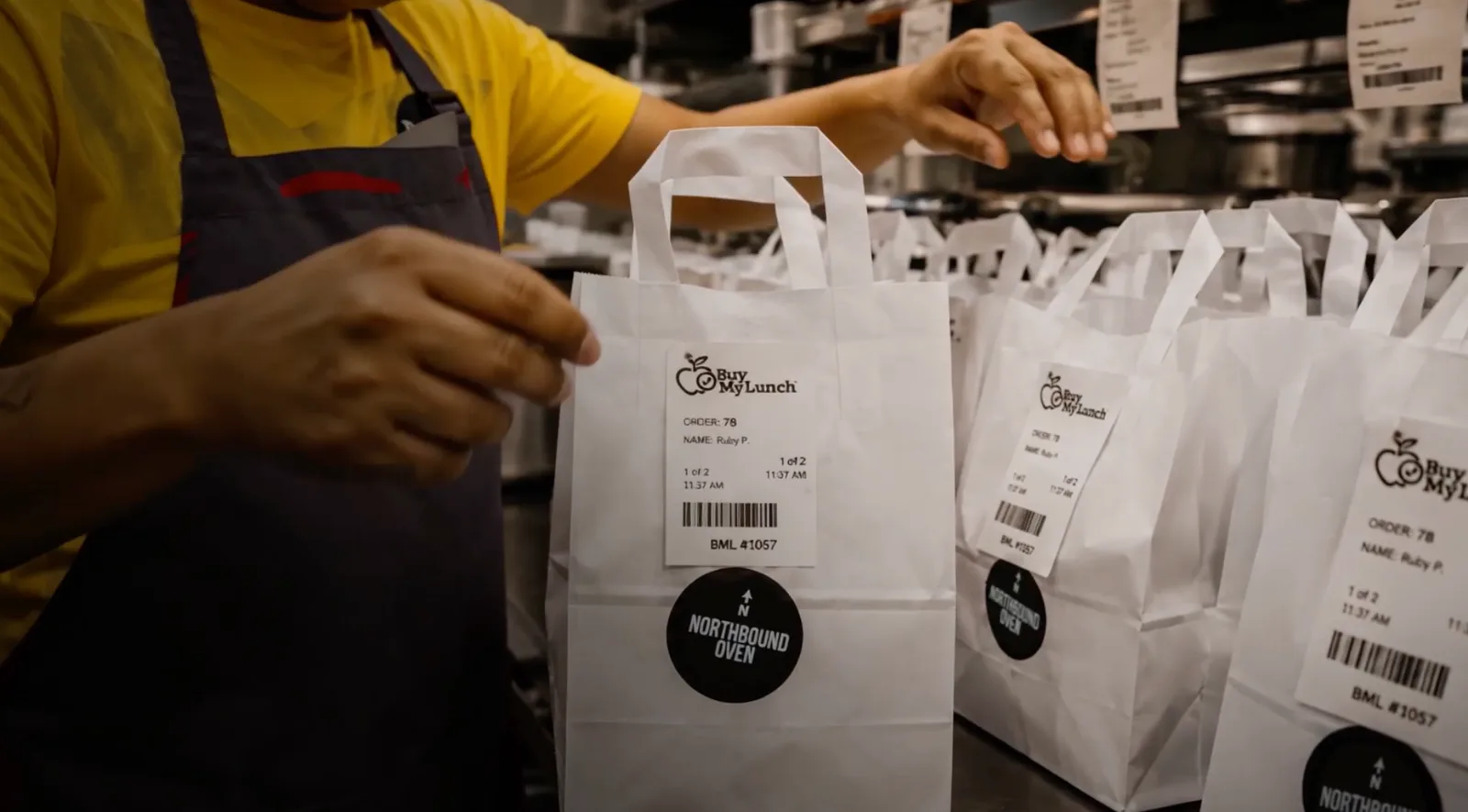
A label should make the school handoff faster without exposing more student information than needed. Buyer ID, grade, homeroom, meal type, and order details can do a lot of work. Restaurants should not need a messy student-name list floating around outside the app.
Allergen handling is another place where vague systems get risky. The FDA explains that food allergen controls and labeling are meant to reduce the chance of undeclared allergens and cross-contact in food production. FDA food allergy guidance is written for the broader food system, but school lunch teams should take the lesson seriously: labels are not decoration. They are trust infrastructure.
Even schools outside federal meal programs can learn from the seriousness of the operating environment. USDA school meal standards are a reminder that food served to students needs structure, not vibes.
Give parents fewer ways to be confused
Parents do not need more information. They need the right information at the right time.
Tell families where to order. Tell them when orders close. Tell them how credits work. Tell them where to update student grade or homeroom information. Then repeat the same message more than once, because parents are reading it between work, practice, homework, and someone asking where their shoes are.
A school reminder can do more than a platform notification because families already trust the school channel. A quick nudge before launch, another before the first cutoff, and a reminder during the first week can turn "I forgot" into "Oh, right."
Plan for mistakes before they happen
Something will go wrong. A bag will be missing. A label will get weird. A parent will order for the wrong day. A delivery will hit traffic. The goal is not pretending lunch will be perfect. The goal is making sure mistakes have a path.
That path should answer four questions quickly: what happened, who is affected, who needs to know, and what happens next. If the school has to invent that process in the moment, the problem gets louder. If the process is already there, the problem stays contained.
Credits, disputes, missed items, late delivery, and parent communication should not live in different places. They should be connected to the order record. That is what keeps a small issue from becoming email archaeology.
Match restaurant count to actual volume
A restaurant partner can be excellent and still be the wrong fit for a specific daily volume. A small school may run beautifully with one restaurant per day. A larger school may need multiple restaurants to spread the prep load, delivery load, and pickup pressure.
This is where schools should resist the temptation to treat variety as the only goal. More restaurants can create more choice, but only if the operation can still be read quickly. Too many vendors on one day can turn a handoff table into a scavenger hunt. Too few vendors for a high-volume day can push one kitchen past the point where labels, packaging, and timing stay clean.
The right question is not "How many restaurants can we add?" The better question is "How many meals can this day handle without the handoff getting weird?" Watch the counts, watch pickup, and adjust before a small traffic jam becomes the daily personality of the program.
Treat the first week like a launch
The first week should not be treated like a normal week. It is a launch. Parents are learning where to order. Students are learning where food appears. Teachers are learning whether lunch will interrupt their day. Restaurants are learning the school rhythm. The school is learning which parts need better signs, better tables, or better timing.
Launch week needs extra communication. Send the ordering reminder before the first cutoff. Tell parents what happens if they miss the deadline. Remind them to check student grade and homeroom info. Tell staff who owns delivery. Make sure the delivery contact knows what a normal order view should look like before the food arrives.
It also needs a little humility. Even a strong system will reveal small issues when real families, real kitchens, and real school days touch it. Launch week is for catching friction early while everyone still expects a little learning curve.
Measure the boring things
Lunch programs improve when schools pay attention to boring signals: order counts by day, late parent questions, missing label issues, delivery timing, credits, disputes, and how long handoff takes. Boring signals are where the truth lives.
If Wednesday always feels messy, look at Wednesday. Is the restaurant volume too high? Are orders closing too late for that kitchen? Is one grade arriving before the table is sorted? Is the delivery contact getting surprised by the count? The answer is usually not "people need to try harder." The answer is usually "the system is telling us where it needs a small adjustment."
Not every week needs a meeting. But the first month should include a quick habit of asking what confused parents, what slowed pickup, and what the restaurant needs to prep cleaner next time.
The Monday morning checklist
If a school wants to make lunch feel calmer quickly, start with the parts that create the most confusion when they are missing.
- One ordering location for families.
- One cutoff that does not move around.
- Current grades, homerooms, teachers, and staff filters.
- One delivery contact who knows the daily count.
- Labels that work for the school handoff, not just the kitchen.
- A clear path for missed meals, credits, and disputes.
- Parent reminders before launch and before the first cutoff.
- A first-week review of what slowed the handoff.
None of that is glamorous. Good. Glamour is not the job. The job is a lunch system that does not make office staff, teachers, parents, restaurants, and kids pay for every tiny bit of ambiguity.
Questions schools should ask before launch
Before a school starts a lunch program, the planning conversation should get specific. "Can we do lunch?" is not a plan.
- How many meals can we realistically hand off in one window?
- Which grades or homerooms need separate sorting?
- Where will restaurant bags land when they arrive?
- Who checks the count before distribution starts?
- How will staff lunches be separated from student lunches?
- What happens when a parent orders for the wrong student?
- How quickly can a missing meal become a credit or correction?
- What message do parents need before the first order cutoff?
Those questions are not bureaucracy. They are how a school keeps the lunchroom from becoming an emergency room for sandwiches.
Where Buy My Lunch fits
Buy My Lunch is built around the operational reality that school lunch has three sides: families order, restaurants prepare, schools hand off. When those sides are connected, lunch gets calmer.
Parents get a simple place to order. Schools get roster filters, order visibility, delivery organization, and cleaner handoff data. Restaurants get scheduled counts and packaging expectations. Nobody has to pretend a spreadsheet and a prayer are an operating system.
The win is not fancy lunch. The win is legible lunch. People know what is coming. Meals land where they should. The school day keeps moving.
Key takeaways
- School lunch is not just a food decision. It is a daily operations system.
- The strongest programs use one order source, one cutoff, one roster structure, and one delivery handoff.
- Definitions matter because parents, schools, and restaurants need to use the same language under pressure.
- Rosters, Buyer IDs, labels, and delivery counts give schools a clearer handoff structure.
- The first week should be treated like a launch, with extra communication and a quick review of what slowed the handoff.
Frequently asked questions
What are school lunch operations?
School lunch operations are the systems behind ordering, payment, rosters, restaurant preparation, delivery, labeling, handoff, parent communication, and problem resolution. Food matters, but operations determine whether lunch actually works during the school day.
What is a school lunch handoff?
A school lunch handoff is the moment meals move from the restaurant or delivery driver to the school and then to the right students. A good handoff uses clear counts, labels, sorting rules, and one responsible contact so lunch does not depend on memory.
What is a school lunch ordering cutoff?
A school lunch ordering cutoff is the deadline when families can no longer place or change orders for a delivery day. The cutoff gives restaurants time to prepare accurately and gives schools a reliable count before meals arrive.
What is a Buyer ID?
A Buyer ID is a student-linked identifier used to connect an order to the right meal recipient without relying only on names, paper lists, or memory. It gives restaurants and schools a cleaner labeling and handoff reference.
What makes a school lunch program feel chaotic?
Most lunch chaos comes from unclear ownership, late ordering, weak roster data, unlabeled meals, and delivery handoffs that depend on memory instead of a simple system.
How early should lunch orders close?
A clear cutoff the day before delivery gives restaurants time to prep accurately, gives schools time to know what is coming, and gives parents a clean expectation.
Why do student rosters matter so much?
Rosters connect orders to the real lunchroom. Grade, homeroom, teacher, and buyer ID details help meals get sorted quickly and handed to the right student.
Related posts
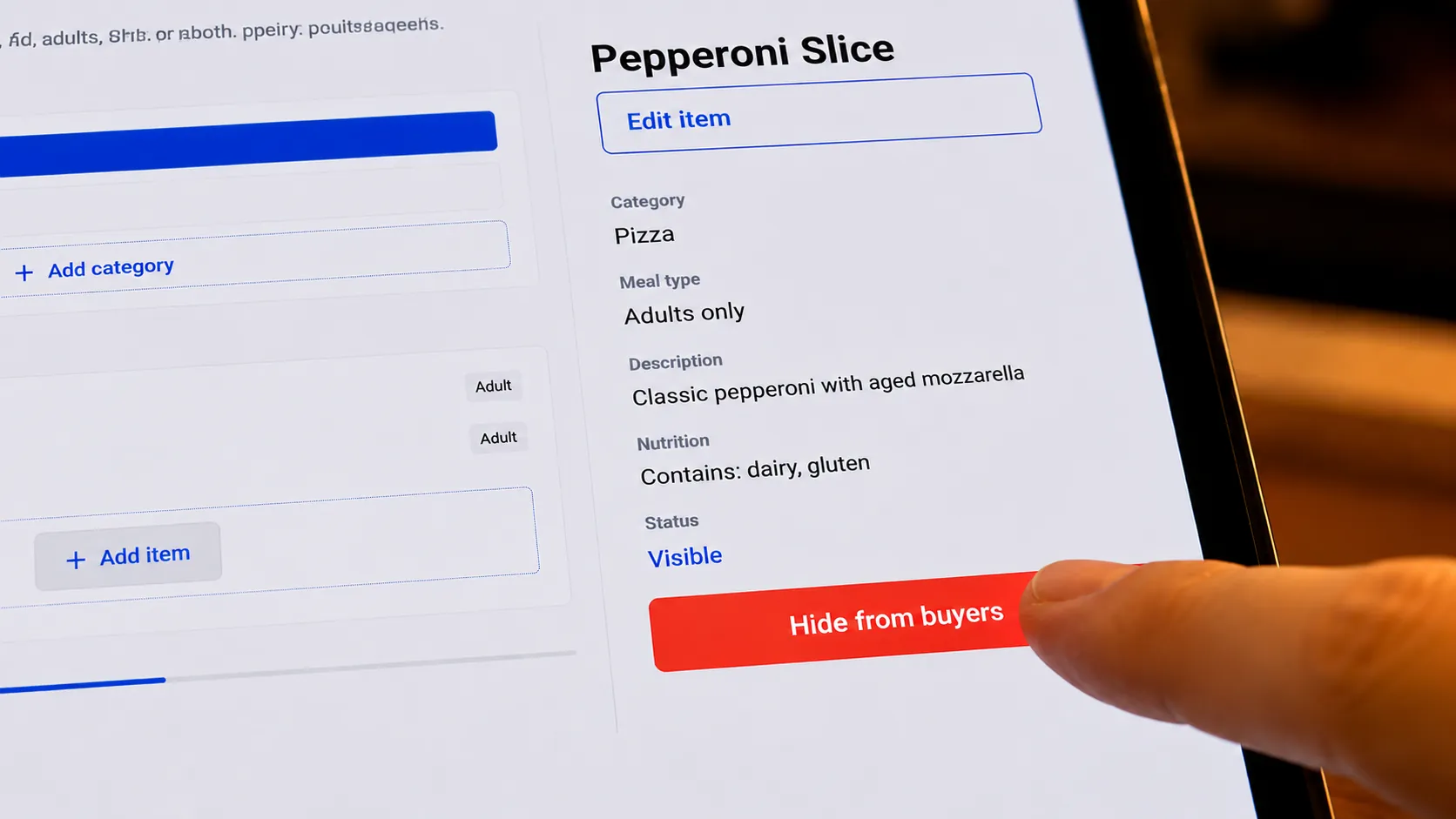 School Lunch OperationsSchool Lunch Menu Template for a Real School Day
A practical school lunch menu template that helps schools and restaurant partners plan clear choices, ordering cutoffs, prep, delivery, and a reliable handoff.
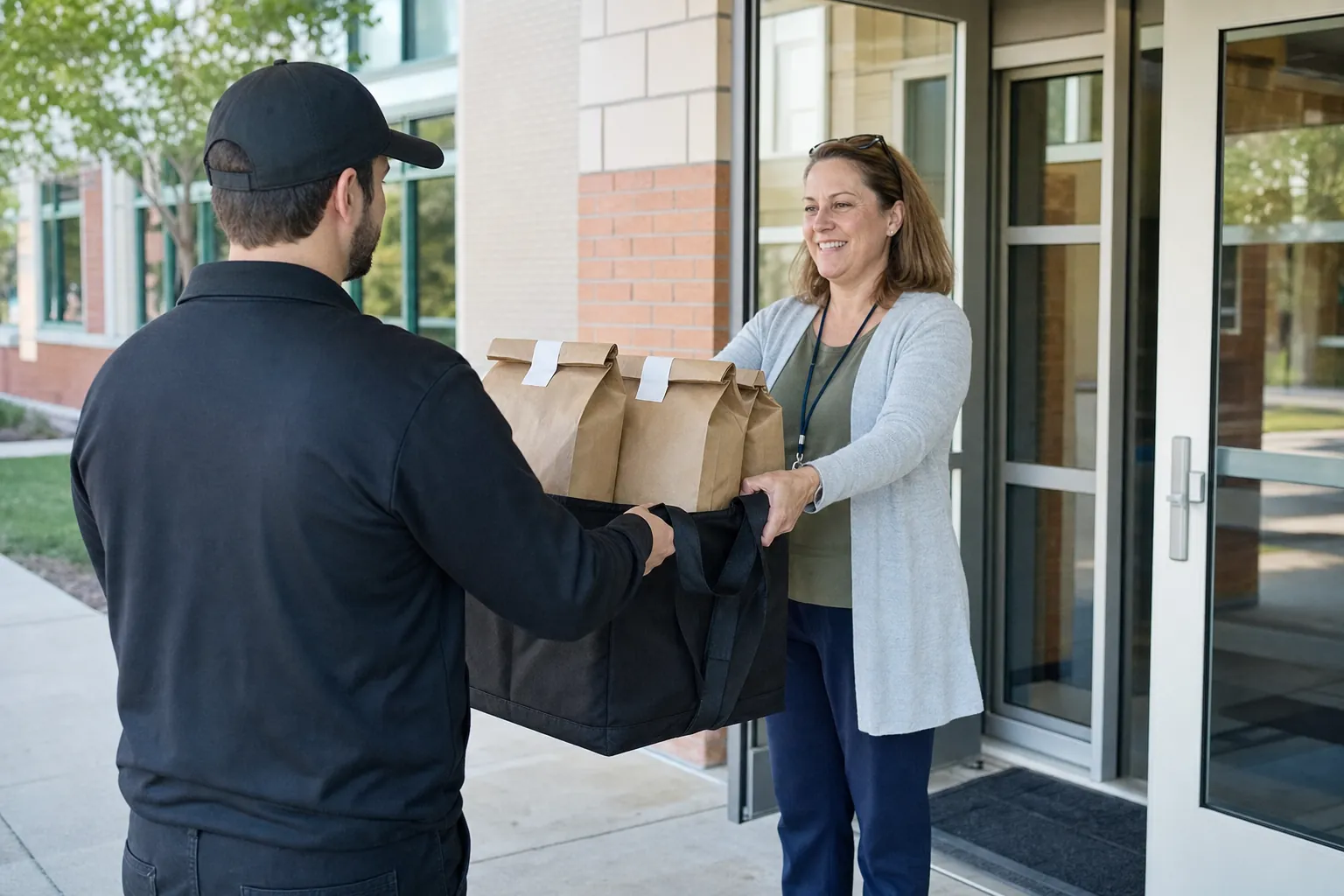 School Lunch OperationsCan You Get Food Delivered to School?
A practical guide for families and schools on when food delivery is allowed, what to check first, and how an approved lunch program keeps the handoff organized.
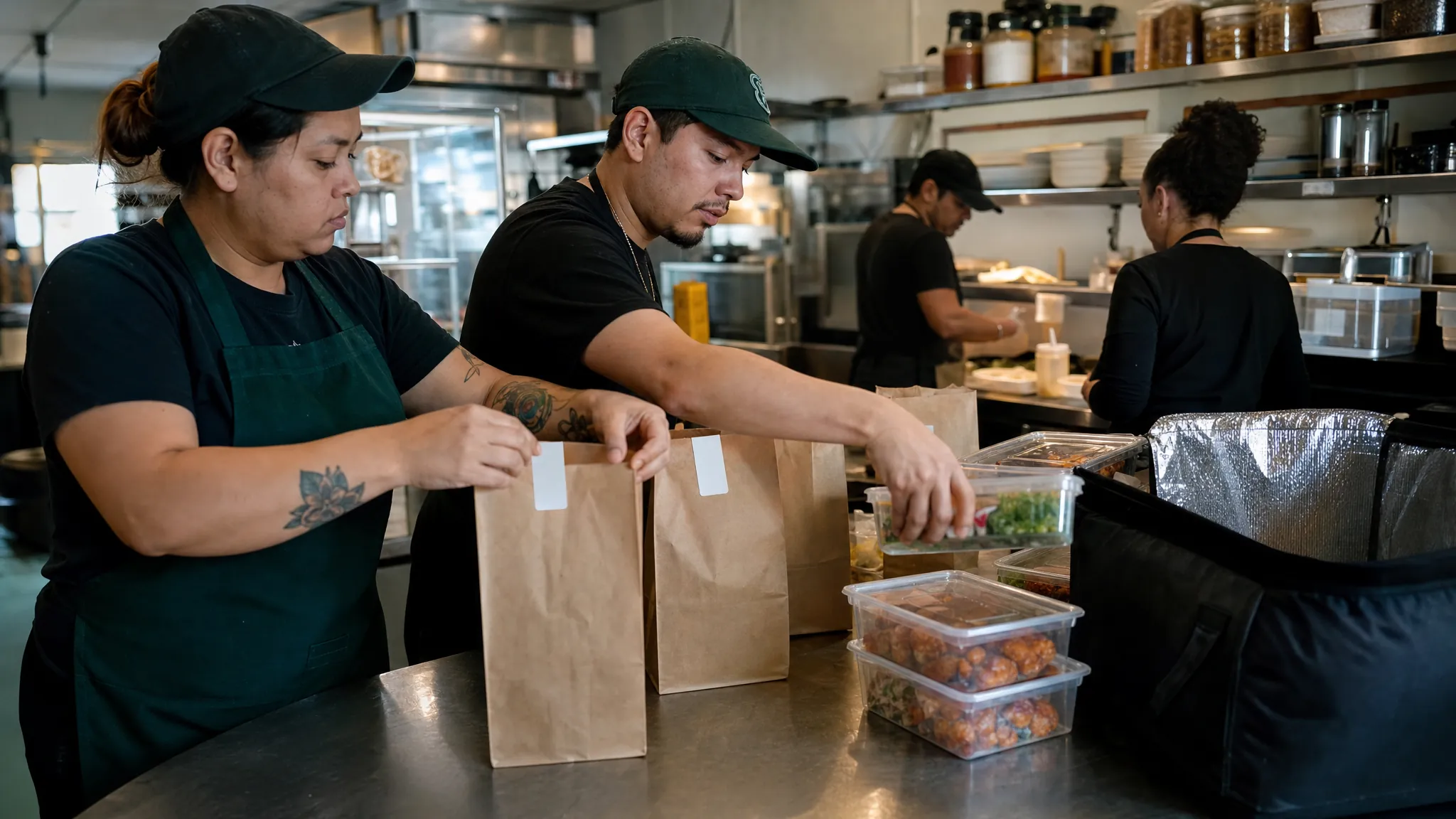 School Lunch OperationsMeal Packaging for School Lunch Programs: What Needs to Work
How to choose meal packaging for a school lunch program, covering food protection, labels, bagging, delivery, school handoff, and real-world testing.
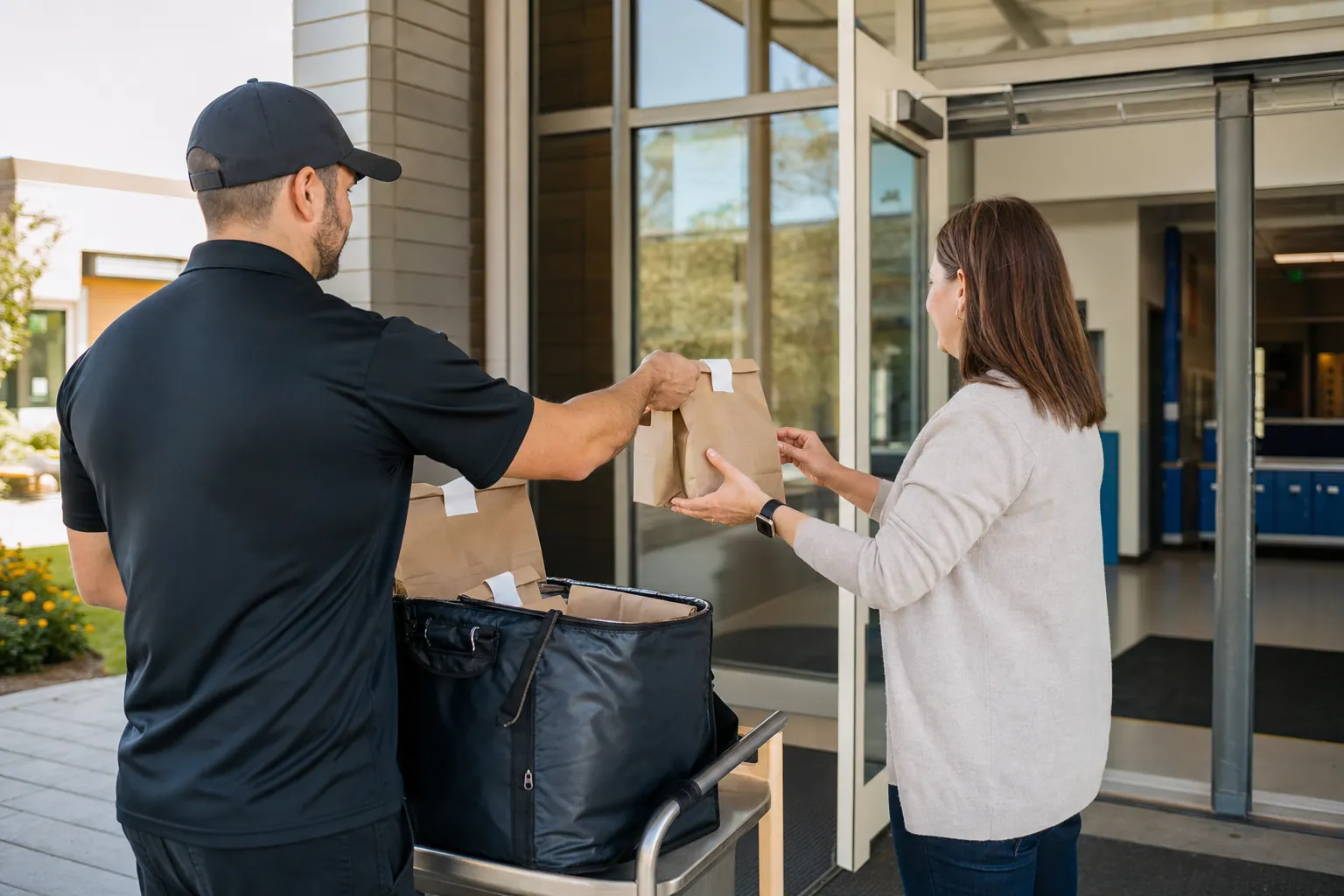 School Lunch OperationsHow School Lunch Delivery Works: A Practical Guide
A practical guide to school lunch delivery, from parent orders and restaurant prep through route timing, labels, school handoff, and launch-week review.
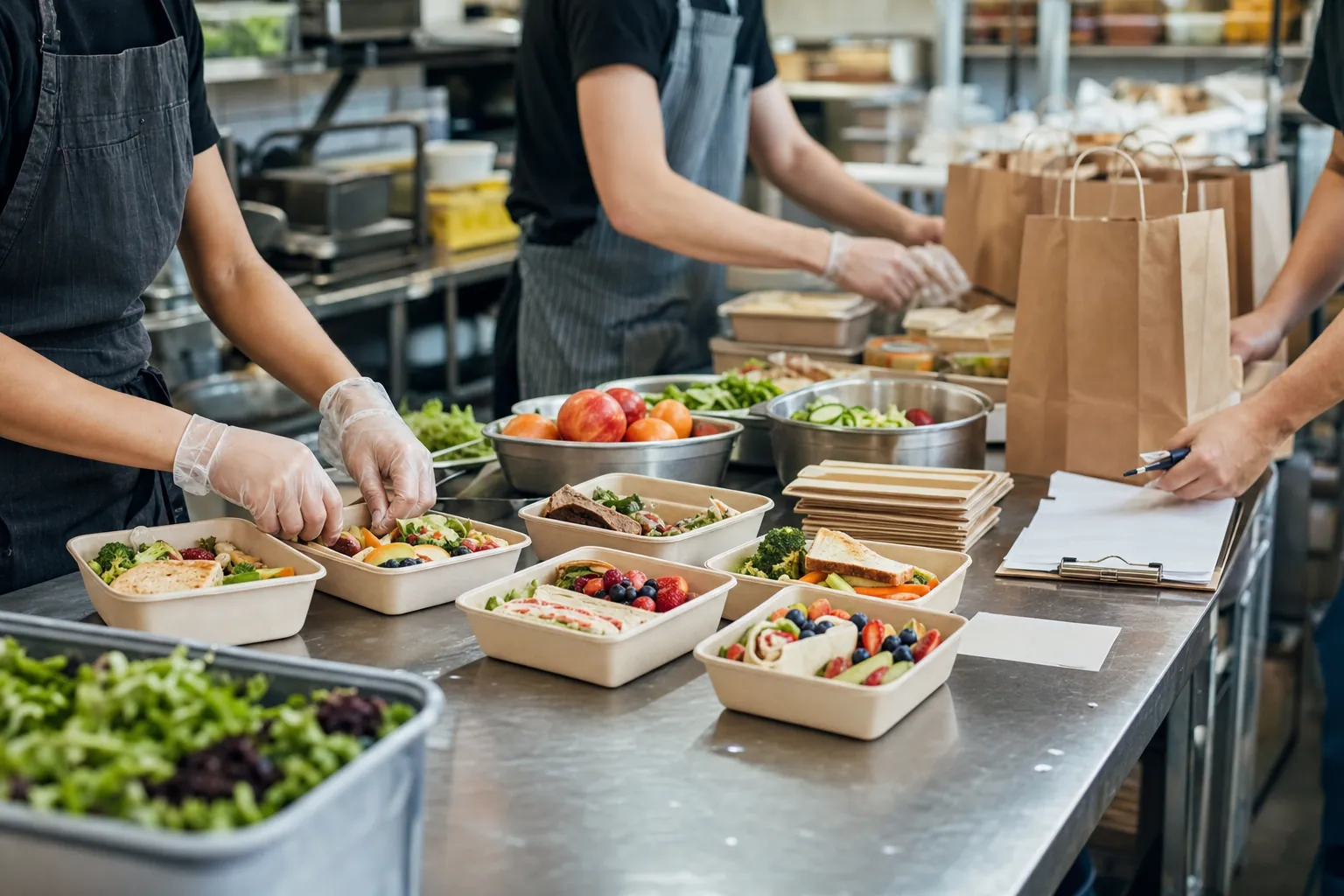 School Lunch OperationsSchool Lunch Menu Ideas That Work on a Real School Day
A practical guide to school lunch menu ideas that balance student appeal, restaurant prep, family ordering, delivery, and a realistic school-day handoff.
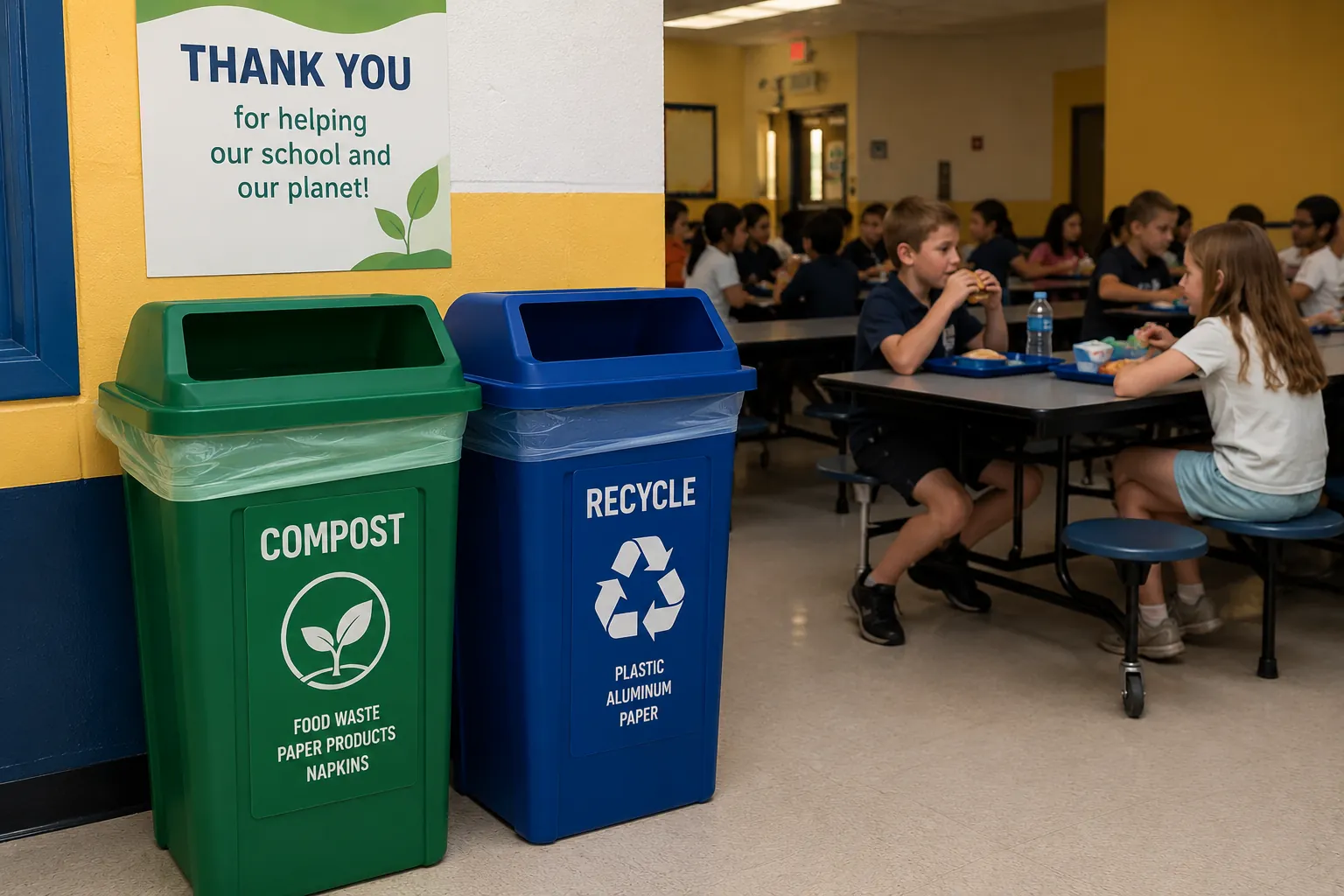 School Lunch OperationsCompostable Food Containers for School Lunch
A practical school-lunch guide to compostable food containers, certification, local acceptance, sorting, and the questions to answer before switching.
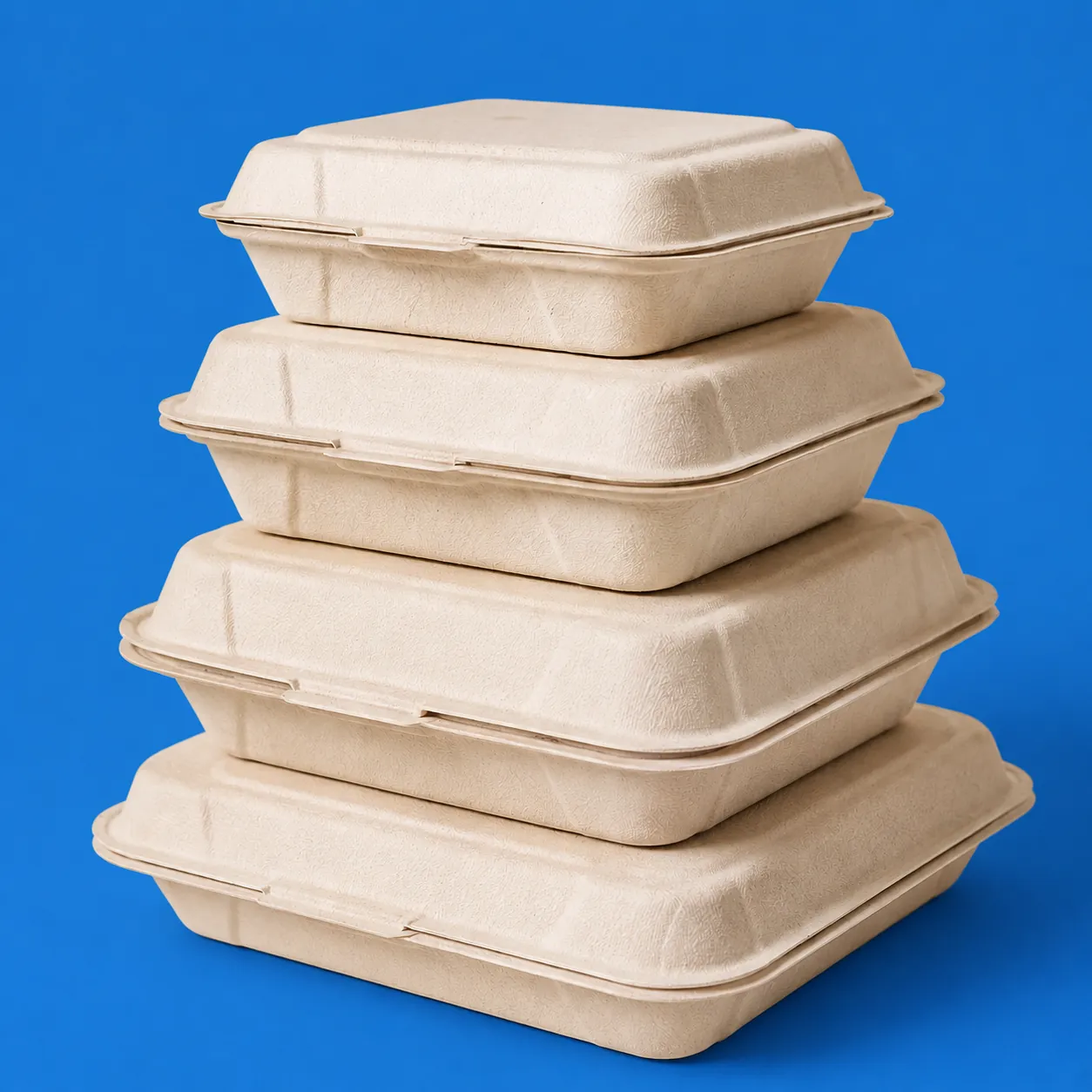 School Lunch OperationsCompostable Clamshell Containers: A School Lunch Checklist
How restaurant partners can evaluate compostable clamshell containers for heat, portions, labels, delivery, student handling, and local disposal rules.
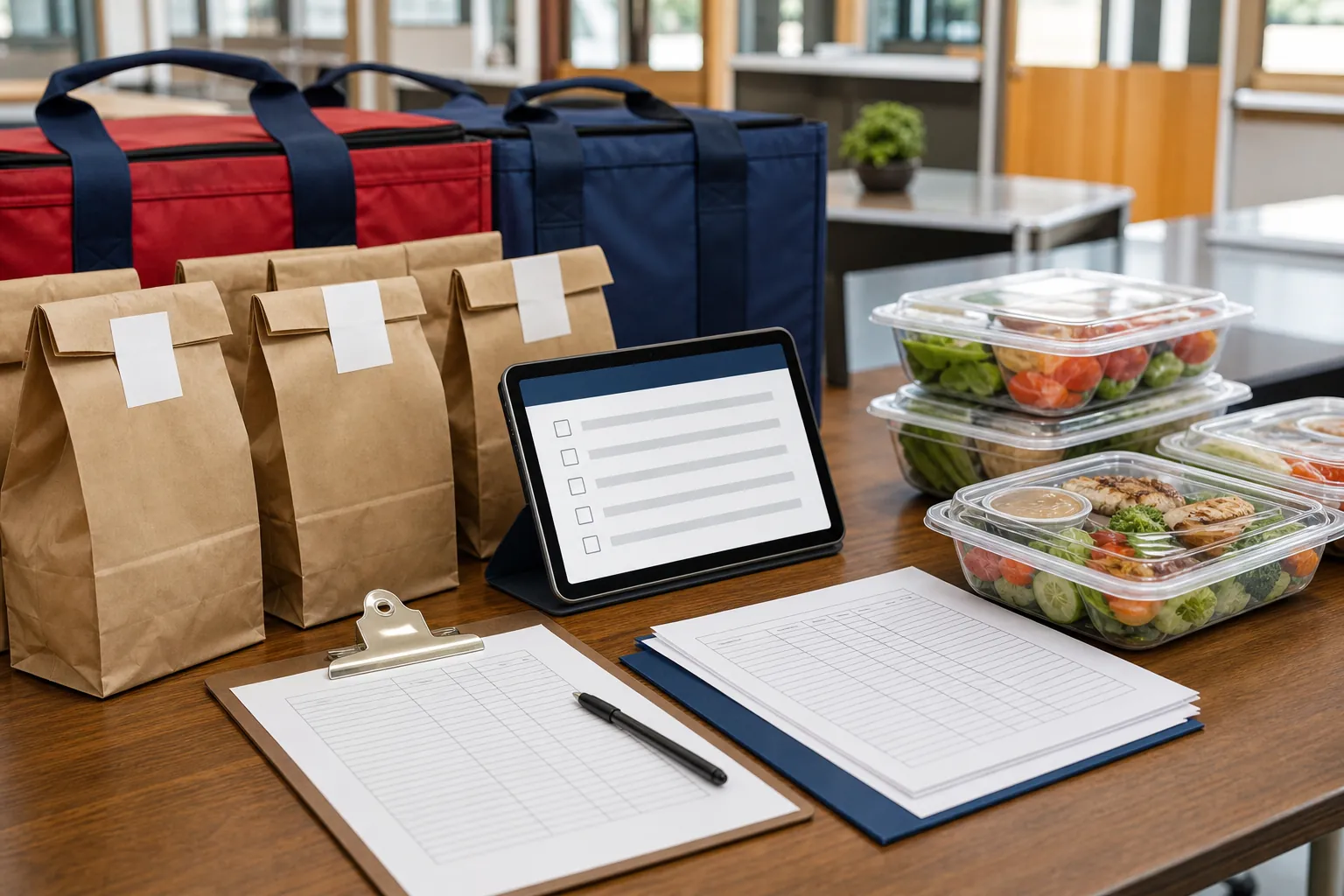 School Lunch OperationsSchool Lunch Companies: How to Compare Options
A practical guide to comparing school lunch companies, food service providers, caterers, restaurant programs, ordering systems, and daily handoff support.
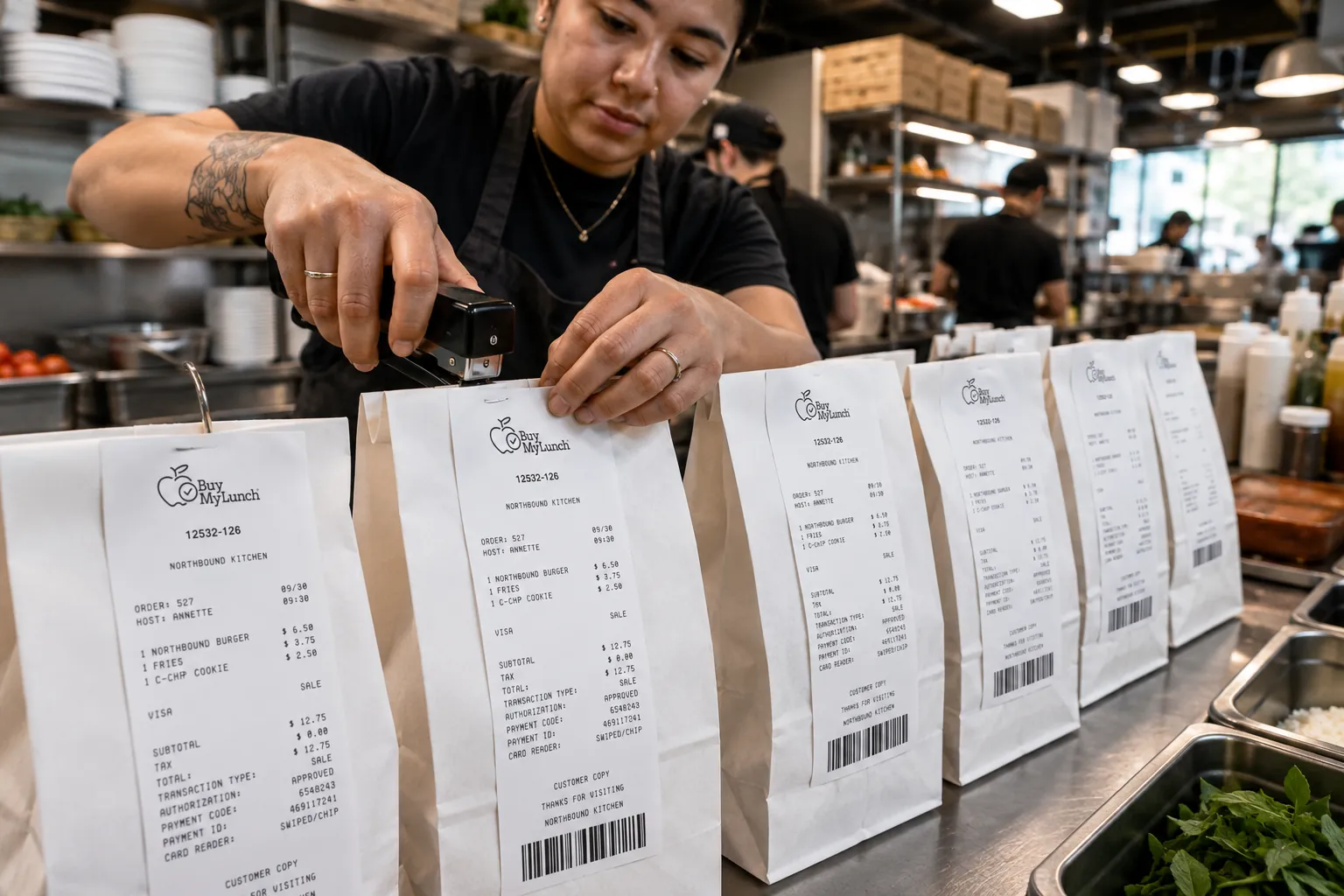 School Lunch OperationsBack-to-School Lunch Program Checklist
A practical administrator checklist for setting up ordering, rosters, cutoffs, labels, delivery, and parent communication before lunch starts.
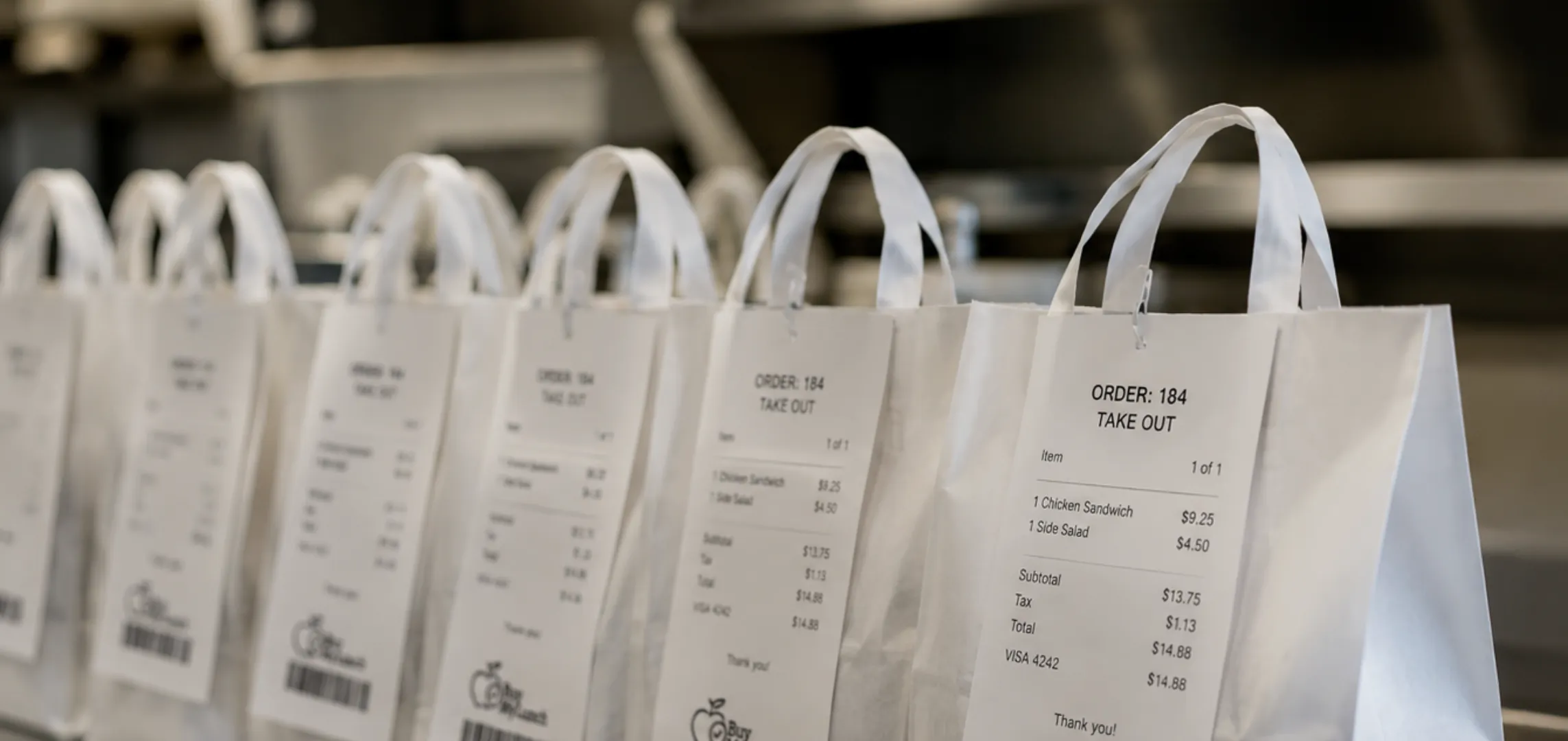 School Lunch OperationsSchool Lunch Debt: What It Is and How Schools Can Respond
School lunch debt is unpaid meal charges. Learn why it happens, how it affects schools, and practical ways to reduce payment friction.
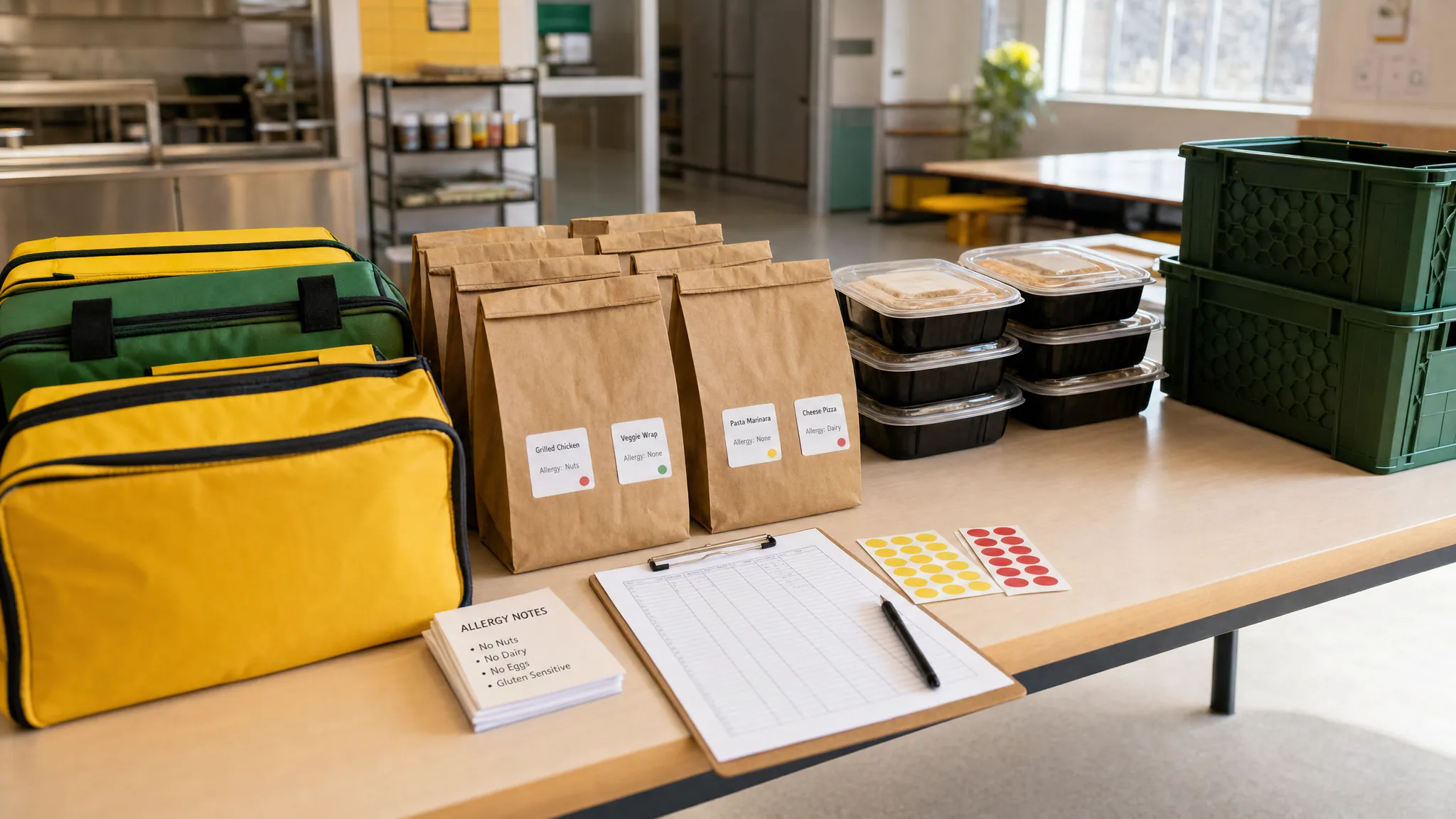 School Lunch OperationsHow Does the National School Lunch Program Work?
A practical guide to how the National School Lunch Program works, who pays, what schools manage, and where private lunch options fit.
 School Lunch OperationsHow Much Does Private School Lunch Cost?
Private school lunch costs have no single standard price. Compare cafeteria, caterer, tuition-included, and parent-paid models by meal price, staff time, and daily workload.
 School Lunch OperationsFood Waste in Schools: A Practical Lunchroom Guide
How schools can think about food waste, ordering, share tables, composting, packaging, and restaurant-prepared lunch without creating more lunchroom chaos.
 School Lunch OperationsWhat to Look for in a School Lunch Ordering System
A practical guide to the ordering, cutoff, roster, label, payment, and handoff features schools should evaluate before launch.