
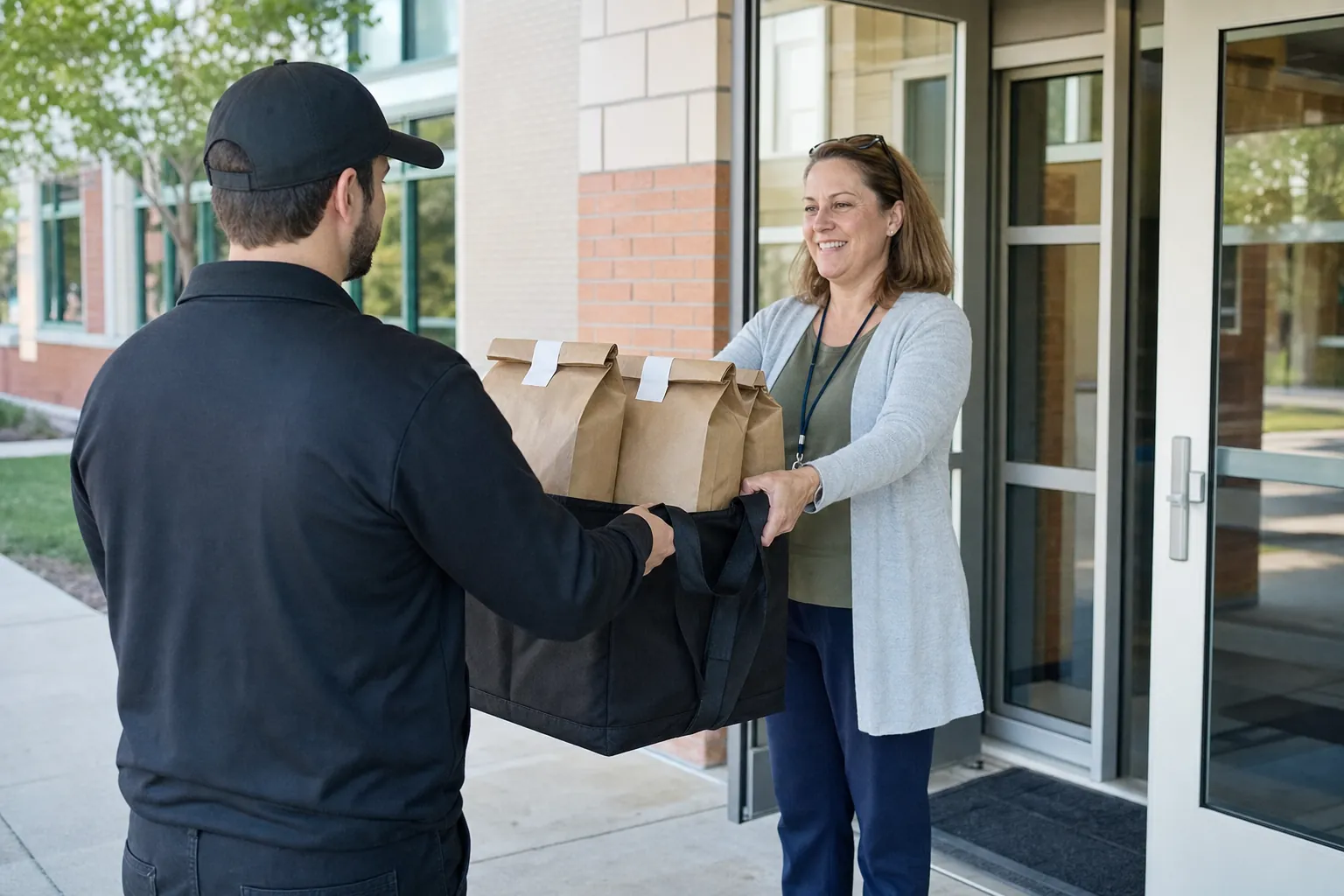
You can get almost anything delivered to a house. A school is a different place entirely. There are secure entrances, class schedules, lunch periods that move fast, food-allergy procedures, office staff with actual jobs, and students who should not have to hunt down a mystery bag at noon.
So, can you get food delivered to school? Sometimes. The honest answer is that it depends on the school's current policy and on whether the delivery is part of an approved lunch process. A parent dropping off a meal, a delivery driver arriving unannounced, and a school-run restaurant lunch program are three very different situations.
This guide helps families ask the right questions before they order, and helps school teams see what has to be clear when outside food is allowed. The goal is not to turn lunch into a security checkpoint. It is to make sure a meal reaches the right student without creating a fresh problem for the office, the teacher, or the person trying to deliver it.
Key takeaways
- Food delivery rules are set by individual schools and districts, so families should check the current school policy before placing an order.
- A delivery that is fine for a parent at home can create a security, timing, labeling, allergy, or handoff problem at a school.
- The most dependable option is an approved lunch program with a known delivery location, order cutoff, school contact, and family support path.
- Families should not assume a delivery driver can enter campus or leave food at the office without advance approval.
- Buy My Lunch connects school-approved ordering with restaurant preparation, delivery details, and the school handoff.
Start with the school's actual rule
Do not begin with the restaurant app. Begin with the school. The school or district decides whether outside food is allowed, who may bring it, where it can be received, and whether a commercial driver can come to campus. Those rules can differ by grade level, campus, event, security procedure, and whether the meal is part of a school-approved program.
A family may be allowed to bring lunch directly to the office while a third-party driver is not. A school may allow food only for students in a particular grade, only for special events, or only through its established lunch partner. Another school may ask families to use its cafeteria or a designated pre-order program. There is no universal shortcut around that decision.
The cleanest first step is to check the school's family handbook, lunch information, or office guidance. If the school already participates in Buy My Lunch, families can use the school-specific option available through online lunch ordering. That gives everyone a known route instead of asking a driver to interpret a campus policy at the front door.
Why a surprise delivery is hard to manage
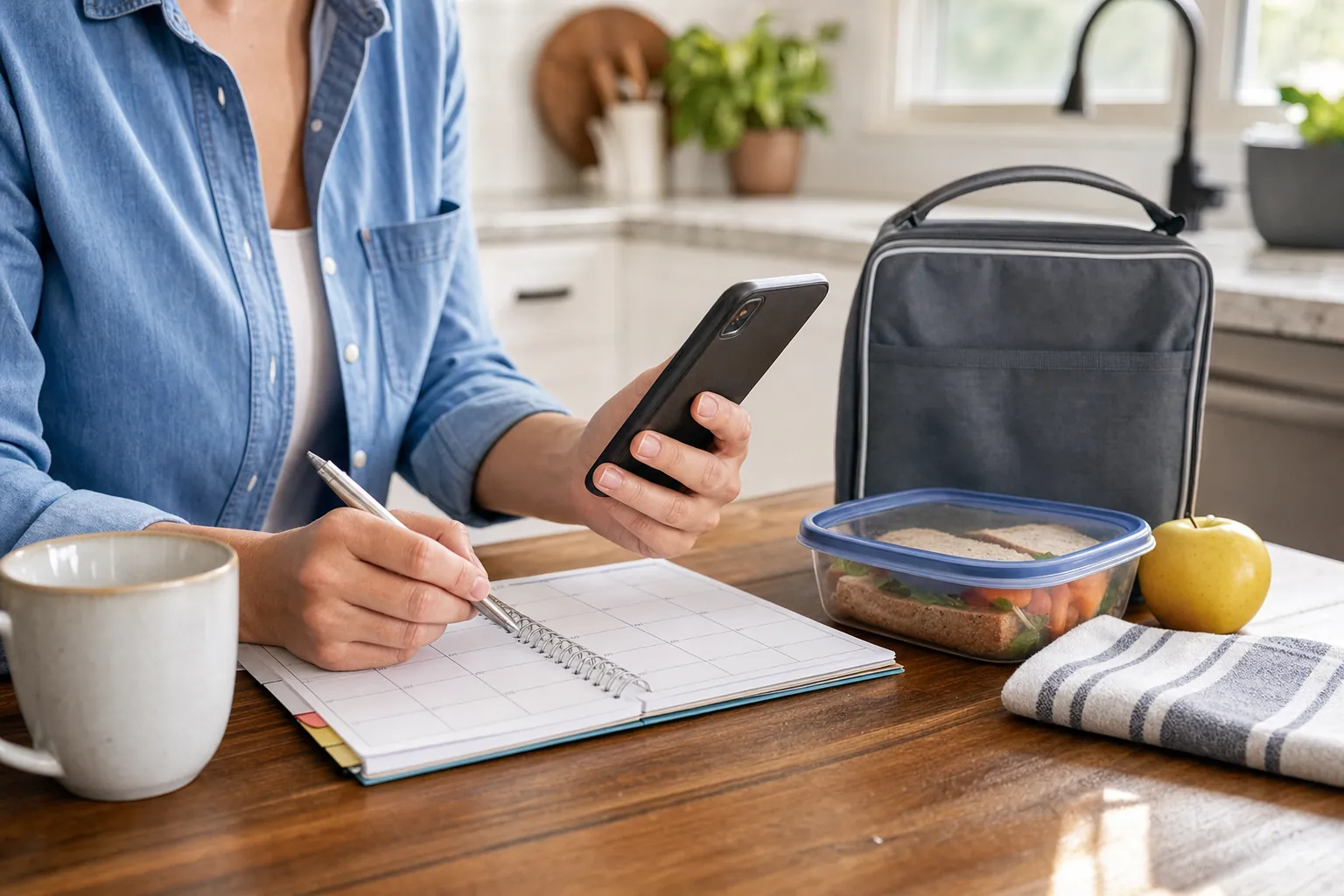
A surprise lunch delivery asks the school to solve several questions at once. Can the driver enter campus? Which entrance should they use? Who receives the meal? Does the school know the student's class or lunch period? Can the meal be stored safely? What happens if the student is absent, the name is incomplete, or the food arrives after lunch?
Food is not the only concern. The school also has to protect its normal arrival procedures and avoid turning the office into a delivery counter. A front-office team can usually handle a planned system with a delivery window and clear labels. A series of individual, unannounced orders is much harder to receive and sort without interrupting the school day.
Timing is another quiet problem. A lunch period is short, and a student may not be in the office when a driver arrives. If the delivery comes early, someone needs to know where the food can wait. If it comes late, the student may already be back in class. If it arrives during dismissal, arrival, or a lockdown drill, it may not be received at all. A school-approved program avoids those loose ends by setting a delivery window that fits the building's rhythm before families are invited to order.
Food allergies make the handoff more sensitive, too. The CDC's school food-allergy guidance explains why schools need policies and plans that support students with food allergies. Families should follow the school's allergy procedures and direct ingredient questions to the food provider, not assume that a delivery driver or office staff member can make that decision at the door.
Know the delivery model before you order
When a school allows food beyond its regular cafeteria service, the allowed model should be clear. A parent may be able to bring a student's lunch. The school may permit a single approved adult to drop off meals at a designated location. It may have a special event policy. Or it may work with a prearranged lunch program where families order ahead and the school knows what is arriving.
The last option is usually the easiest to repeat because the school, family, and restaurant partner work from the same basic plan. Families know when to order. Restaurants have a real count. Meals can be prepared and grouped for the school. A known staff contact receives the delivery, rather than everyone hoping the right person notices a bag on the counter.
Schools that want to establish that kind of routine can see how Buy My Lunch organizes food delivery to schools, from family ordering through restaurant prep and school handoff. The service is built for participating schools that want a known lunch-day process, rather than a series of separate drop-offs.
That planning is what separates an approved service from a random delivery. The school lunch delivery guide walks through the wider process, from the order cutoff and kitchen count to the delivery window and school handoff. The process may sound ordinary on paper. At 11:45 a.m., ordinary is exactly what you want.
What families should check before ordering
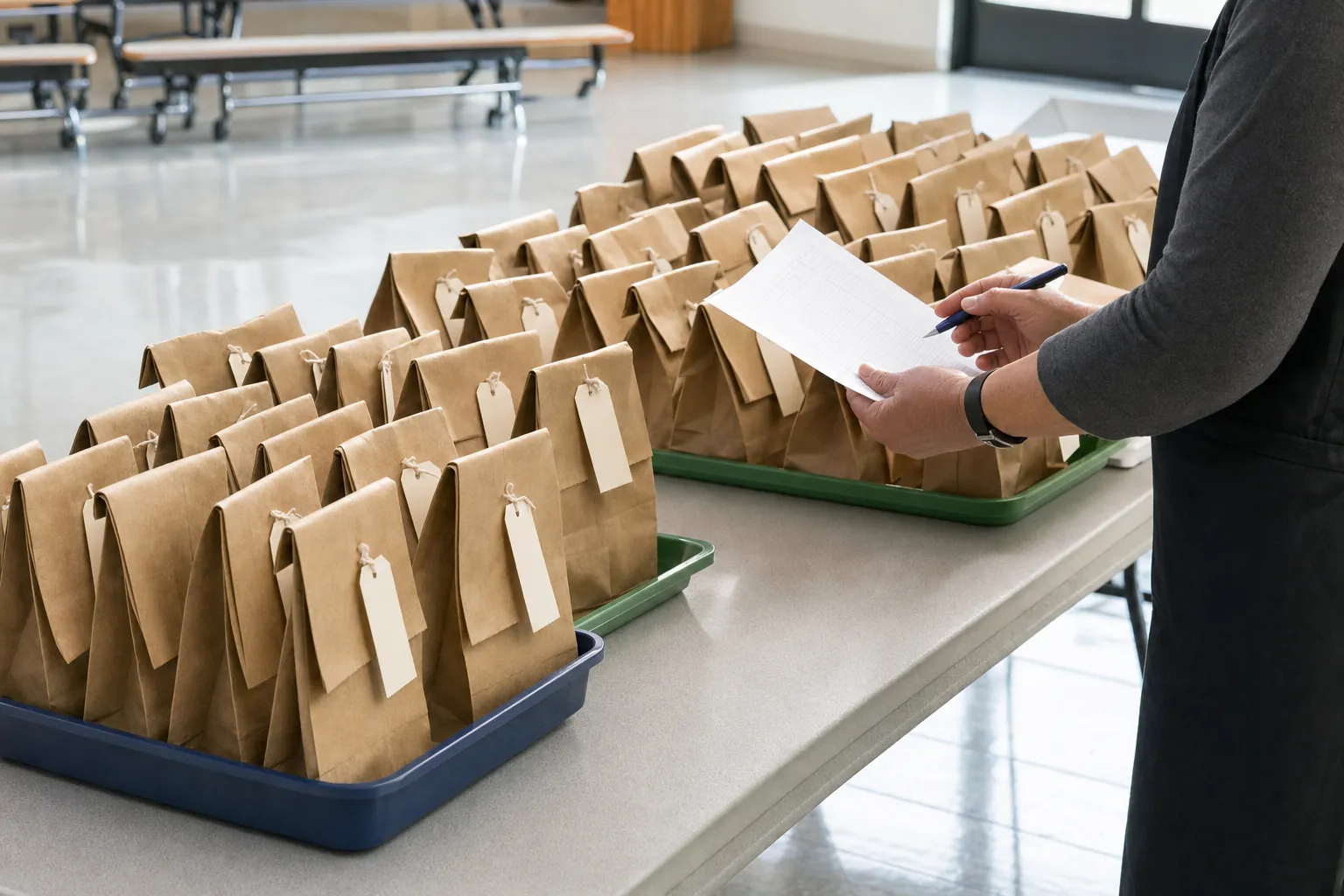
Before ordering food for a school day, get specific. Is outside delivery permitted? Is there an approved school lunch program? If the school accepts food, where should it be delivered and who receives it? What information must appear on the order? Is there a deadline? What happens when a student is absent or a meal is late?
It also helps to separate food questions from school questions. Ask the restaurant about ingredients, preparation, and its ability to accommodate requests. Ask the school about campus access, permitted delivery methods, lunch timing, and the student handoff. The parent guide explains how families can manage orders, deadlines, credits, and missed meals when Buy My Lunch is available at their school.
A parent should never have to guess whether food will make it to the student. Clear instructions protect the family from a missed lunch and protect the school from a last-minute search party. A brief answer before an order is placed is much better than an awkward answer after the driver has arrived.
Families can make the process easier by ordering early when a school-approved option is available. Early orders give a restaurant time to prepare the right number of meals, give the school a predictable handoff, and give the parent a chance to fix an order before the deadline. Last-minute food decisions happen. They just are not a dependable operating model for a busy campus.
How schools can make the policy easier to follow
A useful policy does not need a page of legal language. It needs to answer the questions a parent will actually have while deciding what to do about lunch. Can a parent bring food? Are commercial drivers allowed? Does the school have an approved lunch option? Where is food received? What must a parent do when a child forgets lunch? Who can answer a question about the rule?
Put those answers in the family information where people already look for lunch details. Do not leave the office to deliver the rule one parent at a time, especially after someone has already paid for a meal. A plain, visible explanation also helps teachers and reception staff give the same answer. Consistency is kinder than a different answer depending on who happens to pick up the phone.
Schools that offer an approved restaurant lunch program should make that path equally easy to find. Link families to the ordering page, explain when orders close, name the support contact, and say how food and ingredient questions are handled. The back-to-school lunch program checklist covers the wider setup work behind a launch, including calendars, rosters, parent communication, restaurant prep, labels, delivery, and a first-week review.
It also helps to explain the reason for the policy in plain language. Parents are more likely to follow a rule when they can see the practical goal: protecting campus routines, making food delivery predictable, and helping every student receive lunch without an avoidable interruption.
What a school-approved lunch program needs
A planned lunch program does not need to be complicated. It does need a few non-negotiables: a school-approved ordering path, a posted cutoff, restaurant preparation from a final count, a delivery window, a receiving location, an identified school contact, and a simple process for missing meals or credits.
Food safety belongs in that plan. The FDA Food Code is a model for safe retail and food-service practices, while the FDA's safe food handling guidance reinforces the importance of handling food with care. Restaurant partners should follow their own food-safety plan and applicable local requirements for holding and transport. Schools should be clear about what they can receive and how long food can wait before it is handed off.
Labels and packaging matter as much as the menu. A meal needs to be identifiable, grouped in the way the school distributes lunch, and packed to make the trip from restaurant to student. The school lunch packaging guide explains how containers, bags, labels, and delivery totes have to work together after a meal leaves the kitchen.
The school should also plan for the predictable exceptions. A student may be absent. A family may miss a deadline. A bag may be damaged in transit. A restaurant may need to replace a meal. A good program does not pretend those things never happen. It makes the next step clear, including who confirms the issue, how the school communicates it, and whether a credit or replacement applies.
That is why a school should test the process before calling it routine. During the first delivery days, compare expected and received counts, watch how long it takes to sort meals, note where labels confuse staff, and collect the questions families keep asking. The school guide is a useful starting point for teams that need a clearer view of setup, delivery, support, and the everyday handoff.
How Buy My Lunch keeps the handoff organized
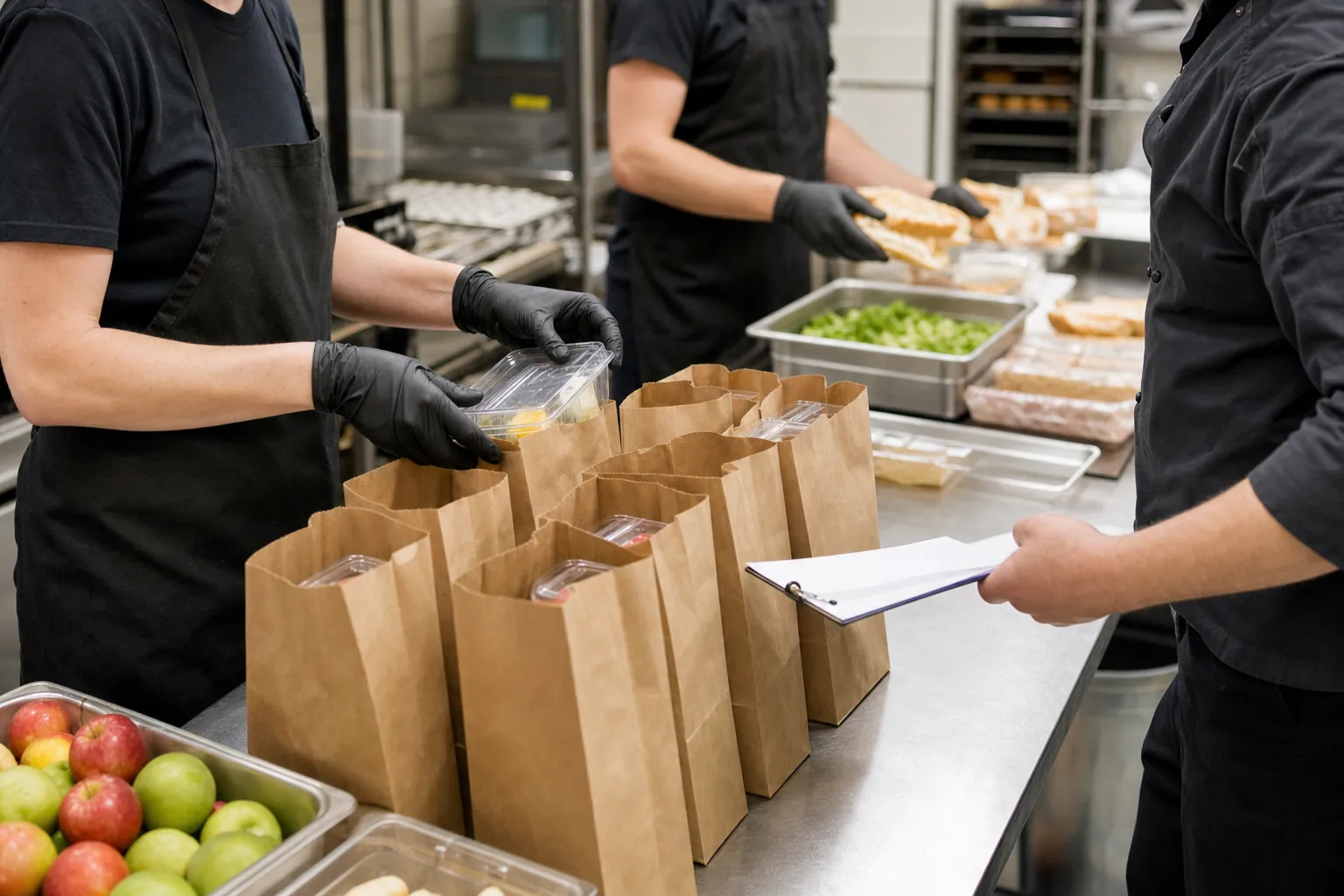
Buy My Lunch is built for participating schools, not surprise drop-offs. Families order from the options available for their school. Restaurant partners prepare from real orders. The school has a delivery plan instead of an unexplained bag at the office. It turns a three-sided coordination problem into one shared routine.
Schools evaluating a more coordinated option can see how a school food ordering system connects orders, restaurant counts, labels, payment, delivery, and the school handoff. Restaurant teams can also review the restaurant partner program to understand the role they play before lunch reaches campus.
The practical answer to "Can you get food delivered to school?" is not simply yes or no. It is yes, when the school's policy and the delivery process agree. When they do, lunch feels like lunch. When they do not, someone is usually stuck explaining a bag of food at the front door.
Frequently asked questions
Can parents send food delivery to school?
Possibly, but the school decides. Some schools allow a parent or approved adult to bring lunch, some allow specific prearranged services, and others do not accept outside deliveries during the school day. Check the current school or district policy before placing an order.
Why do schools restrict food deliveries?
Schools have to manage campus access, student schedules, food-allergy procedures, lunchroom routines, office workload, and the risk of a meal being delivered to the wrong person or left in the wrong place. A restriction is usually about keeping the school day organized, not making lunch more difficult for families.
Can a delivery driver bring food to the school office?
Only when the school says that arrangement is allowed. A family should not assume the office can receive, store, identify, or distribute an unplanned order. If a school accepts deliveries, it should be clear about the entrance, recipient, timing, student information, and what happens when there is a problem.
What should parents ask before ordering lunch for school?
Ask whether outside deliveries are permitted, whether the school has an approved ordering option, where food is received, how far ahead orders must be placed, what student information is needed, and who handles food or ingredient questions. Those answers are more useful than hoping a driver can sort it out at lunchtime.
How does a school-approved lunch program work?
Families order from the options available for their school before the cutoff. Restaurant partners prepare from a real count, meals are organized for the school, and a known staff contact receives the delivery through an agreed handoff. The exact details vary by school, but the process is planned before lunch day.
Does Buy My Lunch deliver food to any school?
Buy My Lunch works with participating schools and restaurant partners. Families can order through the program available for their school, rather than sending an unplanned outside delivery to campus. That gives the restaurant, the school, and the family the same plan for ordering, delivery, and handoff.
Related posts
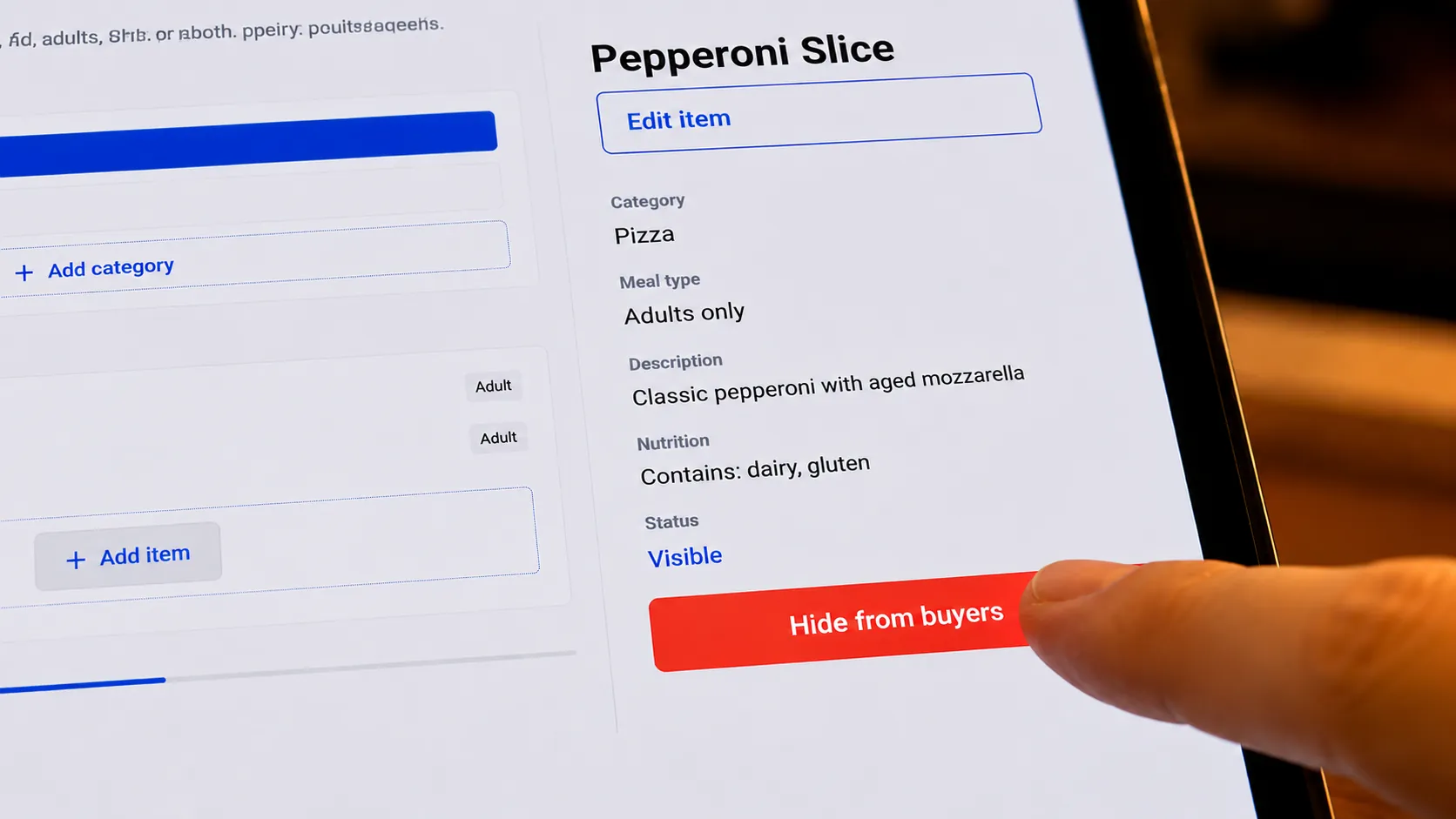 School Lunch OperationsSchool Lunch Menu Template for a Real School Day
A practical school lunch menu template that helps schools and restaurant partners plan clear choices, ordering cutoffs, prep, delivery, and a reliable handoff.
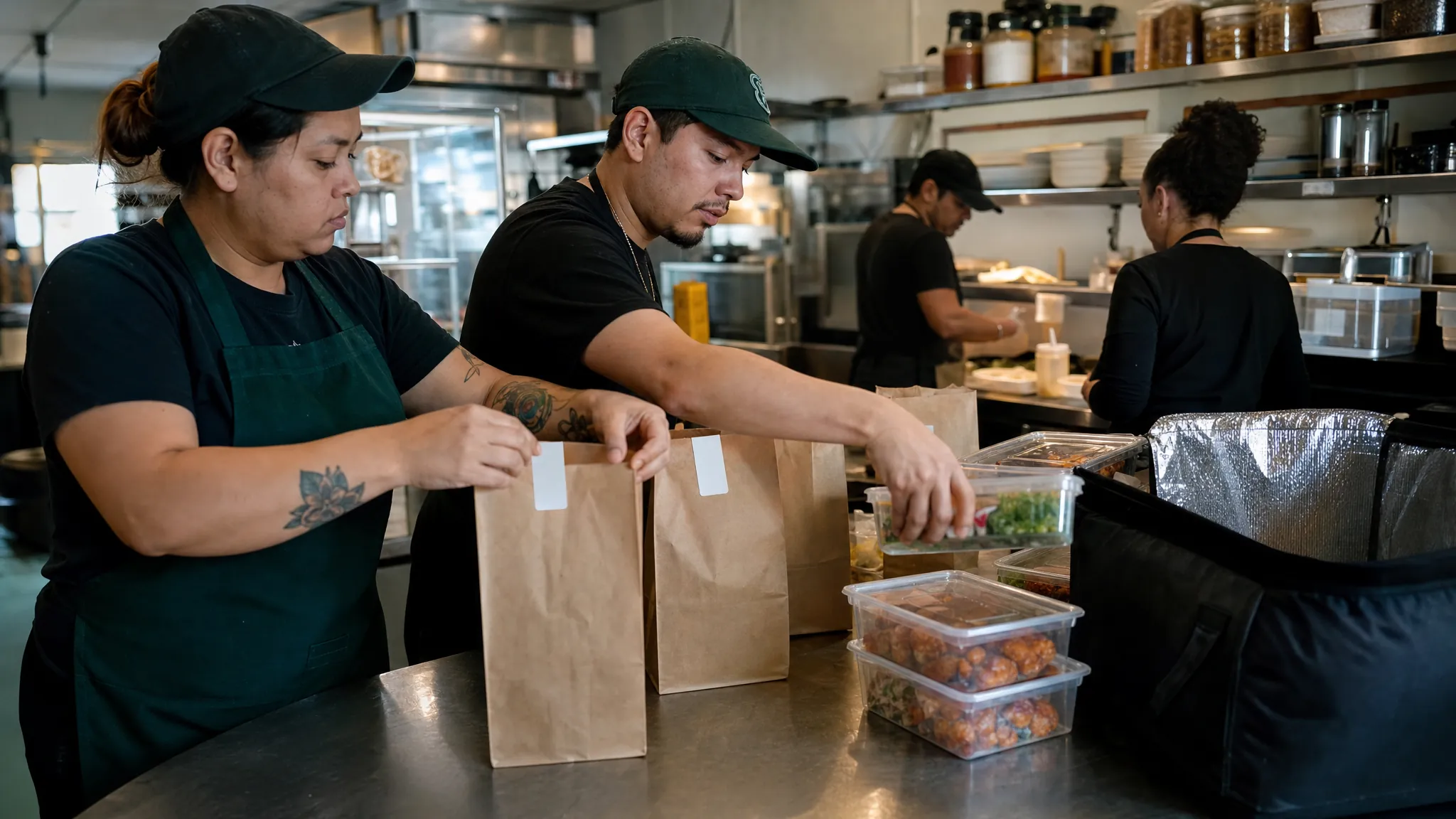 School Lunch OperationsMeal Packaging for School Lunch Programs: A Delivery Checklist
A practical school lunch packaging checklist for choosing containers, labels, bags, and delivery setup that protects each meal through school handoff.
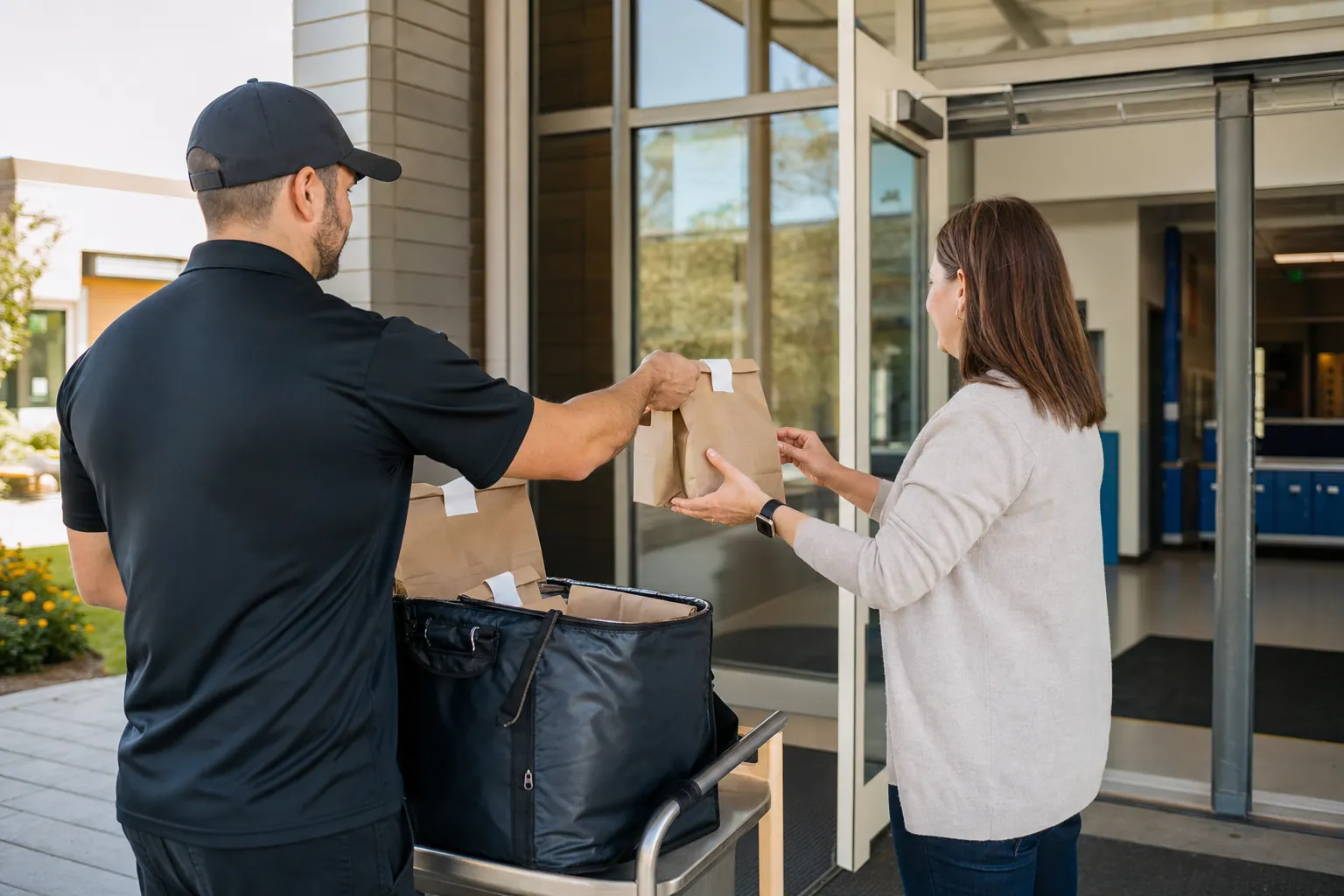 School Lunch OperationsHow School Lunch Delivery Works: A Practical Guide
A practical guide to school lunch delivery, from parent orders and restaurant prep through route timing, labels, school handoff, and launch-week review.