A school lunch program earns its place when it does more than put food on a table. It should make the school day easier for students, families, and the adults responsible for getting lunch from a plan to the right person. That can mean a federally supported meal program, a school-operated service, or a restaurant-prepared option for families. The model changes. The practical test does not: does lunch feel dependable when the day gets busy?
That question matters because lunch touches more people than it first appears to. A student needs a meal that is there at the right time. A parent needs to know what is available and what to do next. A school team needs a process it can repeat without turning the office into a dispatch desk. Food partners need enough information to prepare and deliver accurately. When those needs are connected, the benefits of a school lunch program become visible in the ordinary moments, not only in the menu.
This guide focuses on the operational benefits schools can create around lunch. It is not a substitute for local food-service, health, or program requirements. Schools participating in the National School Lunch Program have specific federal, state, and local obligations. Any school considering a different lunch model should confirm the rules that apply before launch.
Key takeaways
- Reliable school meals can support access, family routines, and a steadier school day.
- A lunch offer is more useful when students want the meals and families can understand the routine without extra help.
- Clear ordering, preparation, delivery, and handoff reduce the loose ends that become lunch-day problems.
- Restaurant-prepared lunch can add family choice without asking the school to build a cafeteria operation.
School lunch benefits start with reliable access
The most important benefit is simple: students have access to a meal during the school day. The CDC’s school-meal overview notes that school meal programs give students access to nutritious meals and are associated with better dietary intake, attendance, and academic outcomes. That does not mean one lunch program solves every challenge a student or family faces. It means lunch is part of the daily conditions that help a student arrive in class ready to participate.
Access has a human side too. A school lunch routine can remove one decision from a rushed morning. A family that knows the lunch plan does not have to choose between packing in a hurry, sending money without clarity, or hoping a child figures it out at school. The goal is not to make lunch dramatic. The goal is to make it dependable enough that it does not become the day’s unnecessary source of stress.
For schools operating within the federal program, the National School Lunch Program provides nutritionally balanced free or low-cost lunches through participating public and nonprofit private schools. A parent-paid restaurant program is a different arrangement, but it can still support the same practical need for a predictable midday meal when it is designed around the real school day.

Students benefit when lunch feels like a real choice
Availability alone is not enough. Students have to want to eat what is offered. The CDC recommends appealing meals, input from students and parents, and enough time to eat as ways schools can encourage participation. Those are not cosmetic details. They shape whether lunch is a positive part of the day or an option students skip because it feels unfamiliar, rushed, or disconnected from what they enjoy.
For a school using restaurant partners, choice can mean familiar local meals offered in formats that travel and distribute well. It does not mean an endless menu. Too many options can create late questions, difficult preparation, and a lunchroom full of bags that are hard to sort. A good program gives students enough variety to feel considered while keeping the menu clear enough for families to order and for the school to manage.
That is why menu planning belongs in the benefits conversation. A school lunch menu template keeps the meal, date, price, ordering deadline, and special notes in the same place. The best menu is not merely interesting on screen. It is one a family can understand quickly and a restaurant can prepare without introducing avoidable mistakes.
Families get a clearer routine
Families benefit when the program answers the questions that otherwise become messages to the school office: What is on the menu? Which day is it served? When does ordering close? How does payment work? What happens if the school closes or a meal is missing? A clear routine respects a parent’s limited time and helps them make a decision with confidence.
Consistency matters more than clever wording. If the order deadline is in one place, meal details in another, and support information in a third, a parent has to assemble the plan themselves. That is where accidental duplicate orders, missed deadlines, and frustrated phone calls begin. Showing the full decision together makes lunch feel manageable before the order is placed.
Clear routines also make exceptions easier to handle fairly. Families will occasionally need help with an absence, a duplicate order, or a delivery question. A program should decide who owns those answers and say so plainly. The Parent Help page covers the immediate questions families may have when an order needs attention, while the program itself should keep its policy visible before a problem appears.

School teams gain a lunch process they can repeat
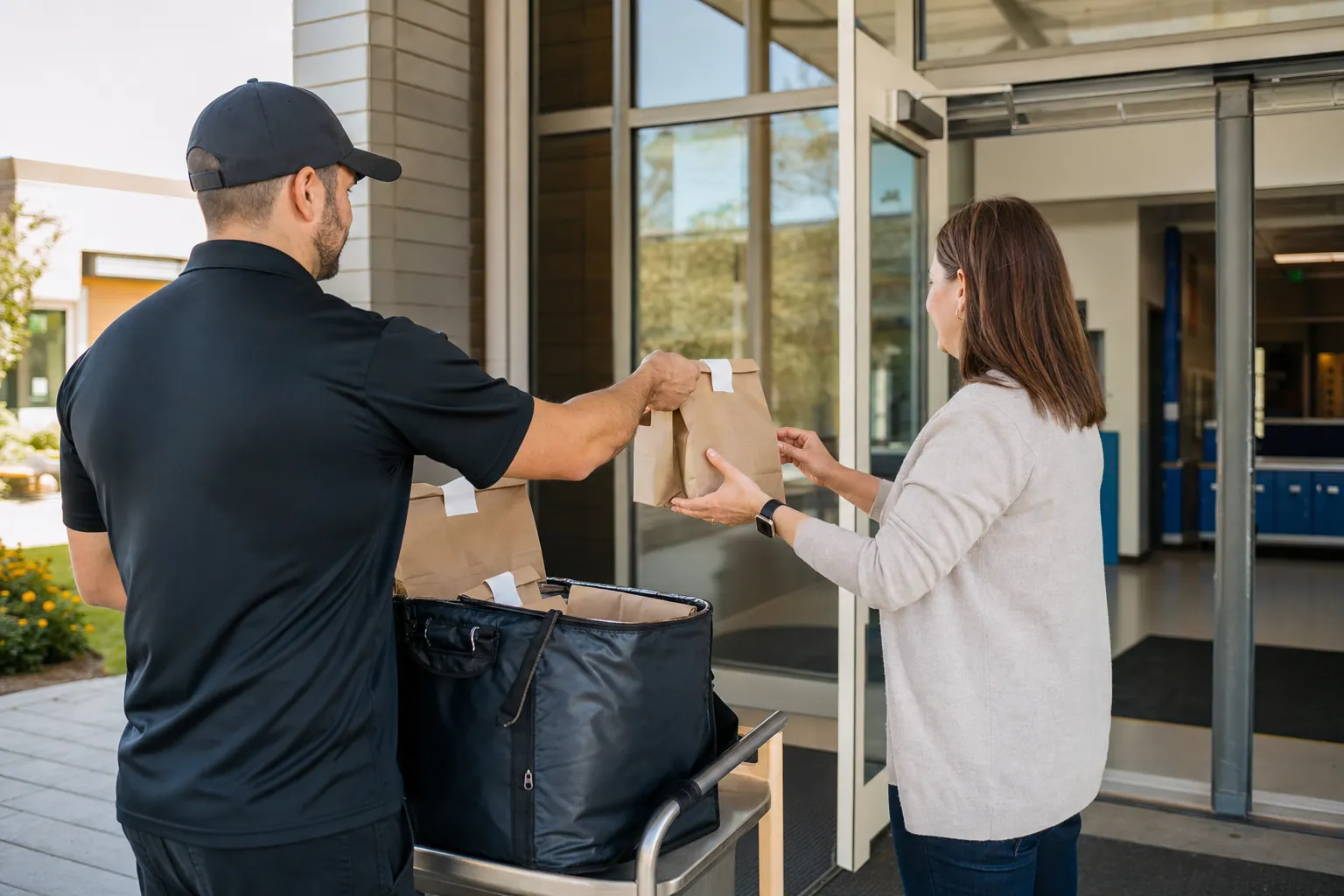
A lunch program helps the school when it creates a repeatable handoff, not when it shifts hidden work to a receptionist, teacher, or volunteer. The school team needs to know what is arriving, where it will be received, who is responsible for it, and how students will get their meals. Those details sound small until they are missing at the exact moment a delivery arrives between classes.
A practical program reduces the need to chase information across emails, paper forms, payment notices, and text messages. The school does not need every detail a restaurant needs, but it does need a useful view of the delivery and distribution plan. One receiving contact, a clear location, labels that match the school’s routine, and a defined support path go a long way toward making lunch feel calm.
This is also why a school should be honest about its capacity before promising more than it can support. A smaller program can work beautifully with a simple, disciplined routine. A larger one needs enough structure to keep counts, labels, delivery, and family communication aligned. The school lunch program guide walks through the operating decisions that keep those details from getting loud on lunch day.
Food partners benefit from a plan they can trust
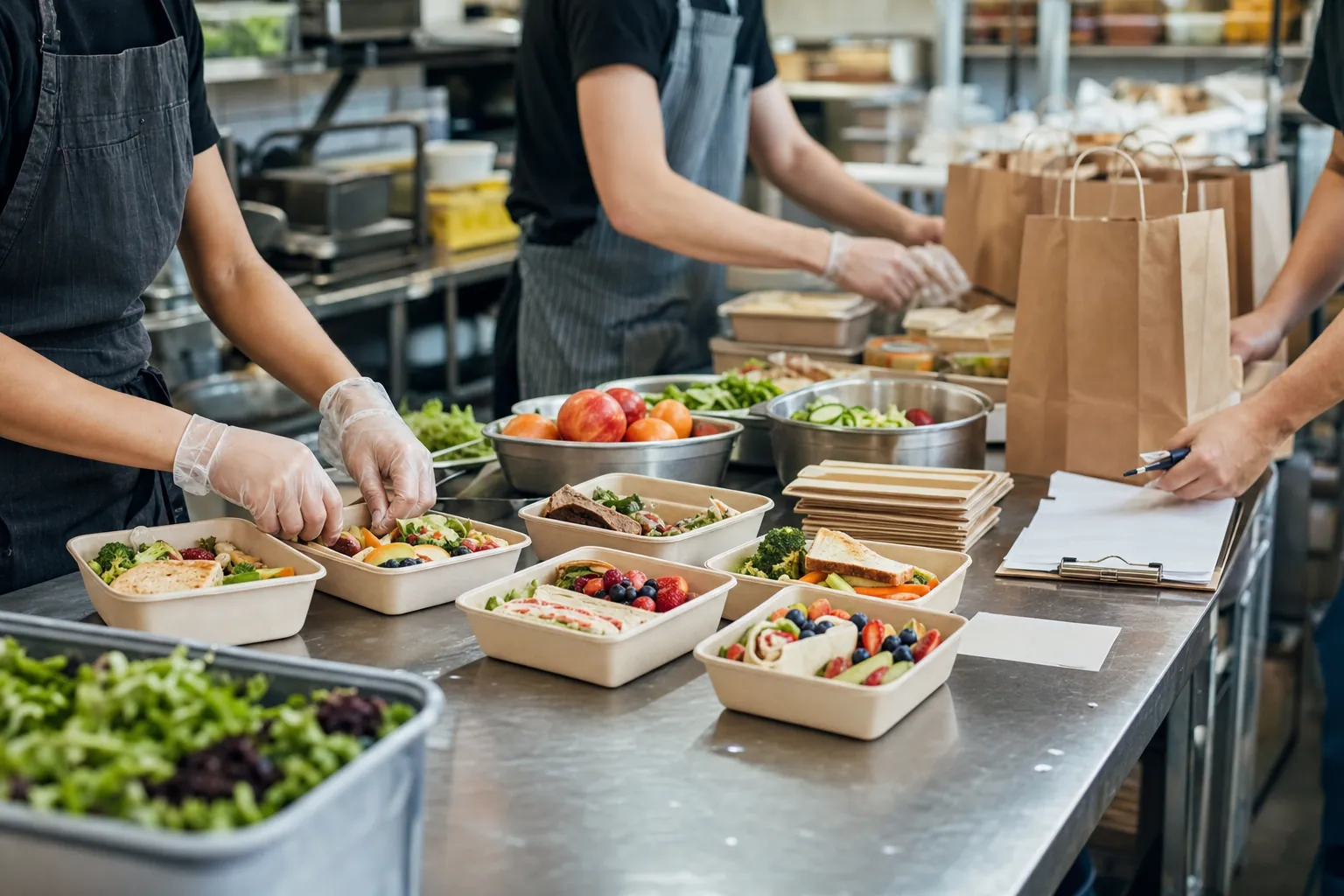
Restaurants and caterers are more likely to deliver a good experience when they are preparing from a real count, a defined menu, and a known delivery plan. A kitchen cannot reliably build a school lunch day from a changing stream of individual requests. It needs a final view of what to make, how it should be packed, when it should leave, and where it will be received.
That preparation is good for students and families because accuracy tends to improve when the process is settled before the rush. It is good for the school because staff are not negotiating last-minute changes with a kitchen. And it is good for the food partner because they can schedule labor, portion meals, and stage delivery with information that makes sense.
Food safety and local requirements remain part of that responsibility. Restaurant-prepared programs should agree on packaging, delivery timing, receiving procedures, and the local rules that govern their operation. The school lunch delivery guide explains the practical chain from final order count to the school handoff.

A better lunch program is easier to use, not just easier to describe
Schools can evaluate the benefits of a lunch program with a few ordinary questions. Can a parent understand the meal and deadline without calling the office? Can a student recognize a choice that feels worth ordering? Can the restaurant work from a final count? Can the school receive and distribute the delivery without an improvised sorting project? If the answer is yes, the program is creating value in the places where it counts.
That evaluation should happen after real lunch days, not only in planning meetings. Listen to the people who use the system: students, families, school staff, and restaurant partners. A useful adjustment may be as simple as a clearer cutoff reminder, a better label format, a more realistic delivery window, or a menu item that travels better. Programs improve when the team treats those details as part of the service, not as afterthoughts.
Schools considering a formal federal meal program should use the official resources from USDA and their state agency for program rules and enrollment. Schools considering restaurant-prepared lunch should map the service around their own schedule, space, staffing, local requirements, and family needs. The right fit is the one that makes lunch more reliable without creating a new burden elsewhere in the day.
How Buy My Lunch helps
Buy My Lunch helps schools offer restaurant-made lunch with a clear routine from the family choice to the school handoff. Families order from school-specific menus before the deadline. Restaurant partners receive the information they need to prepare. Schools get a more organized delivery and distribution experience, with labels, Buyer IDs, and a defined path when a question comes up.
The benefit is not simply that an order can be placed online. It is that the lunch day has a shared plan. Parents know what they chose. Restaurants know what to make. School teams know what should arrive. That is what lets a school offer more meal choice without asking its office to become the backup system for every loose end.
Schools can explore hot lunch programs for schools or start with the school FAQ to see how the program fits their own lunch day.
Frequently asked questions
What are the benefits of a school lunch program?
A well-run school lunch program gives students reliable access to a meal during the school day while giving families a clear routine for menus, ordering, and support. For the school, the practical benefit is a lunch process with defined ownership instead of a daily scramble. The exact benefits depend on the school model and local requirements.
How can a school increase participation in lunch?
Start by making the offer easy to understand. Families need to see what is available, when it is served, how to order, what it costs, and where to get help. CDC guidance also points to appealing meals, family and student input, and enough time to eat as important participation considerations.
Does a school need a cafeteria to offer lunch?
Not always. A school can choose a model that fits its space, staff capacity, local rules, and family needs. Restaurant-prepared lunch programs still need a clear order window, preparation plan, delivery point, food-safety process, and distribution routine.
How is a restaurant-prepared lunch program different from the National School Lunch Program?
The National School Lunch Program is a federally assisted program with its own nutrition, reimbursement, and operating rules. A restaurant-prepared program is a different model, often used by schools that want individual family orders and local restaurant choice. Schools should confirm the regulations and food-service requirements that apply to their own setup.