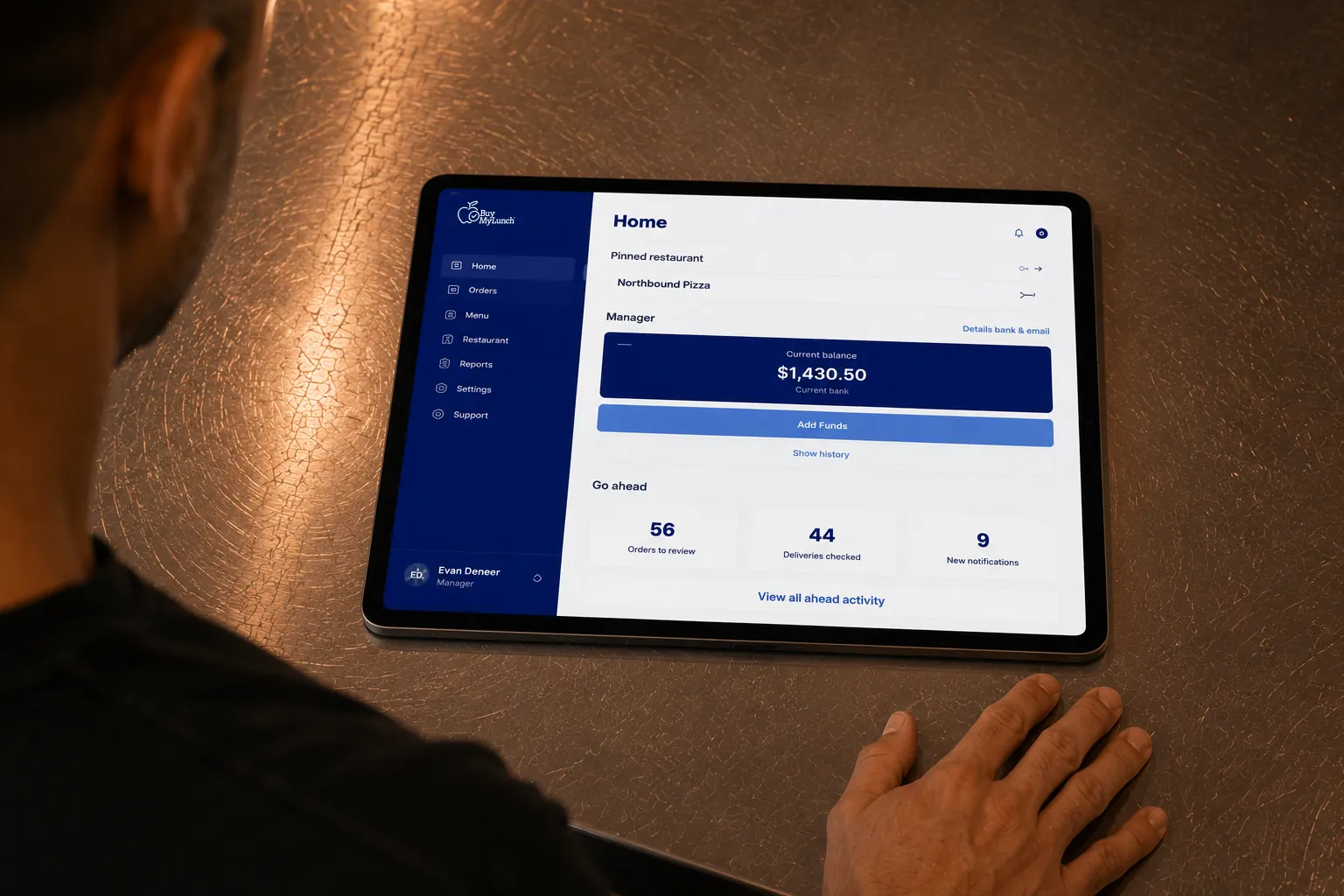
A school lunch program can look like a straightforward sales opportunity from the dining room: make more food, send it to a school, meet new customers. Then the first question comes in: “Can you have 86 individually named lunches ready at 10:45?” The second is about a missing side. The third is from someone who is not sure where the driver is supposed to park.
That is the real work. Restaurants can serve school lunch successfully when the meal day is treated as a scheduled service with its own menu, cutoff, count, packaging plan, delivery window, and receiving routine. It is not regular takeout with a school address attached.
This guide is for restaurant teams considering a school lunch program, especially a parent-paid restaurant option. It covers the decisions to make before the first menu is shared and the details that make repeat service more realistic for the kitchen, school, and families.
Key takeaways
- A restaurant school lunch program is a scheduled group meal service, not a stack of ordinary delivery orders arriving at a school.
- Before agreeing to participate, clarify who owns parent communication, payments, menus, order cutoffs, delivery, the receiving point, and order questions.
- A repeatable lunch menu is usually easier to run than a large all-day menu with constant changes.
- Individual order details, practical packaging, and one agreed handoff routine matter just as much as the food.
- Buy My Lunch gives restaurant partners ordered-ahead counts and school-specific context, while families use one clear ordering path.
1. Start with the school lunch model
“School lunch” can mean several very different things. A school may run a federally managed meal program, operate its own cafeteria, bring in a caterer, offer an occasional restaurant lunch day, or use a parent-paid ordering program. Those models have different expectations, so the first step is to find out which one the school is actually discussing.
If the meals are part of the National School Lunch Program, the school has program responsibilities that go beyond a restaurant delivering food. The U.S. Department of Agriculture overview of the National School Lunch Program explains that participating schools receive federal support while operating under specific meal and administrative requirements. A restaurant should let the school or its food-service lead explain whether those rules apply before it makes assumptions about the menu or agreement.
A parent-paid restaurant program is usually a different conversation. The school may be looking for more meal choice without taking on individual forms, cash collection, and a daily office inbox. That is where a structured ordering program can make the relationship practical. Buy My Lunch is built for this restaurant-prepared model: families order ahead, restaurant teams receive usable counts, and the school has a planned handoff.
2. Decide whether the fit is real before saying yes
Not every restaurant needs to serve every school. The sensible question is whether the program fits your kitchen, staff, route, menu, and busiest service periods. A lunch delivery that looks great at 2 p.m. can be a bad fit if it asks your team to pause a packed 11 a.m. line and assemble dozens of custom bags.
Start with a short operational conversation. Ask which grades the program serves, how often lunch is offered, how many orders the school expects, when orders close, where meals are received, and who handles parent questions. Ask whether one restaurant serves the day or whether families choose from several menus. That tells you more than a vague promise of “exposure” ever will.
It also helps to be direct about delivery. Confirm the address, entrance, parking, arrival window, receiving contact, and what happens if traffic changes the plan. Our school lunch delivery guide breaks down why the handoff needs its own plan instead of being treated as the last five minutes of an order.
3. Build a menu your team can repeat
The best school lunch menu is not automatically the biggest one. It is the one your team can prepare consistently, package individually, and deliver on time without turning every lunch day into a custom-order obstacle course.
Begin with familiar items that travel well and that your kitchen already knows how to make at volume. Then look at what changes once the food is ordered for a school day: portion options, sides, packaging, utensil needs, sauces, item descriptions, and how a family sees an ingredient concern before ordering. A clear small menu gives families a faster choice and gives the kitchen fewer last-minute interpretations to make.
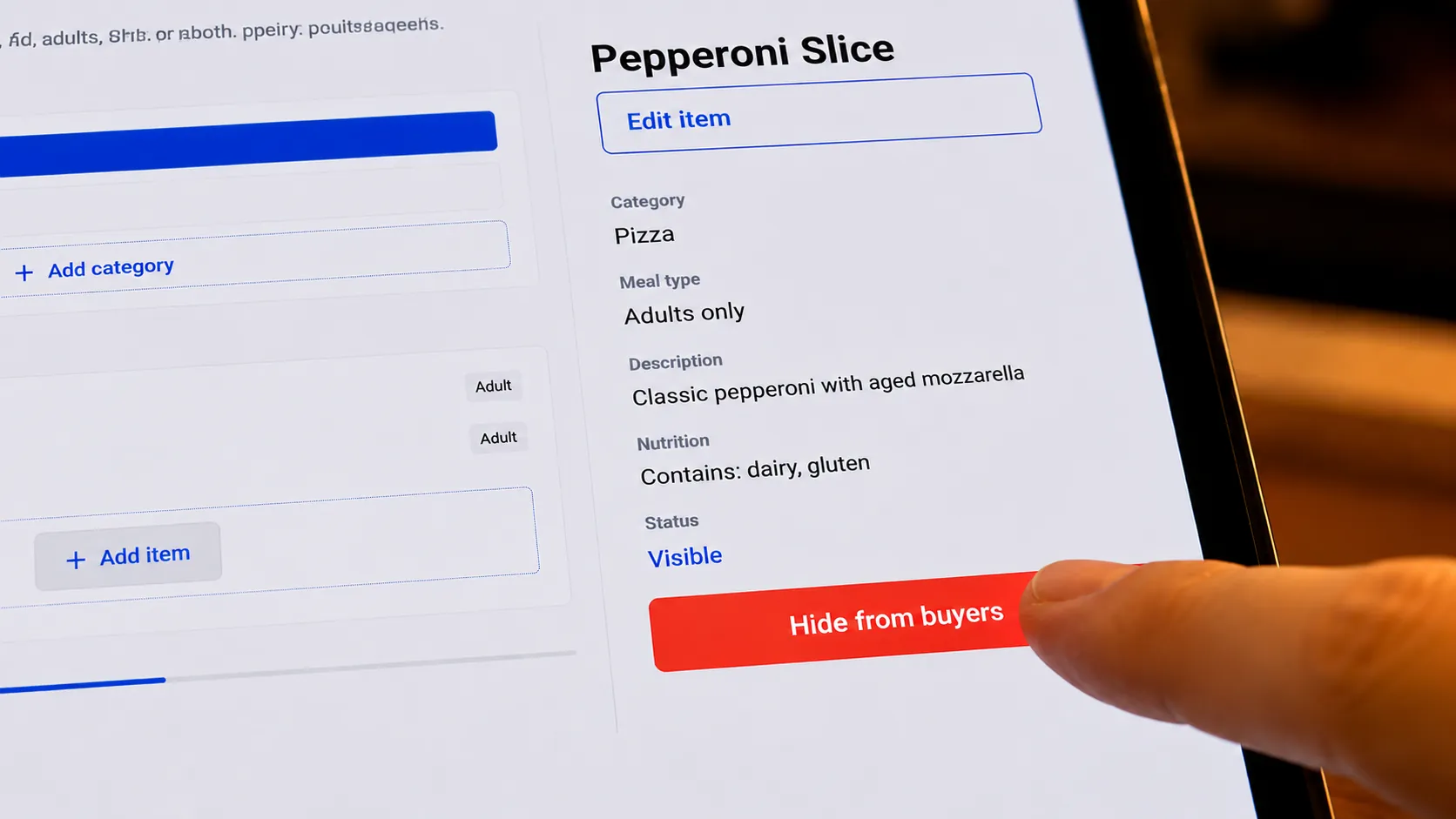
A menu should also match the schedule. If lunch arrives early in the school day, choose food that holds up over the actual trip and handoff time. If the school has younger students, confirm whether the size and packaging make sense for that group. These are not marketing details. They are service details, and the people who notice first are usually the cook, the receiving staff member, and the kid holding the bag.
Restaurant teams can use the school lunch menu guide for a more detailed look at balancing choices, portions, prep, and delivery reality. The goal is not to predict every preference. It is to offer a manageable lineup that is good enough to run again next week.
4. Make the order cutoff do real work
Advance ordering is the difference between planning a meal service and hoping a lunch rush behaves itself. The restaurant needs enough time to buy ingredients, schedule prep, stage packaging, and route the delivery. Families need a deadline they can understand. The school needs one agreed answer when a late request arrives.
The exact cutoff does not need to be universal. A small weekly pizza program may need less lead time than a menu with several cooked-to-order components. What matters is that the deadline matches the restaurant’s actual workflow. Set the cutoff before the menu opens, state it plainly, and avoid creating exceptions that a school office or restaurant manager cannot reasonably keep track of.
Once orders close, turn them into a kitchen-ready prep plan. The team should be able to see total counts by item, the individual details needed for each meal, and the delivery date without rebuilding the order list from messages or screenshots. Buy My Lunch gives restaurant partners that organized order context, so the kitchen can focus on food rather than reconciliation.
5. Pack for the person receiving the meal
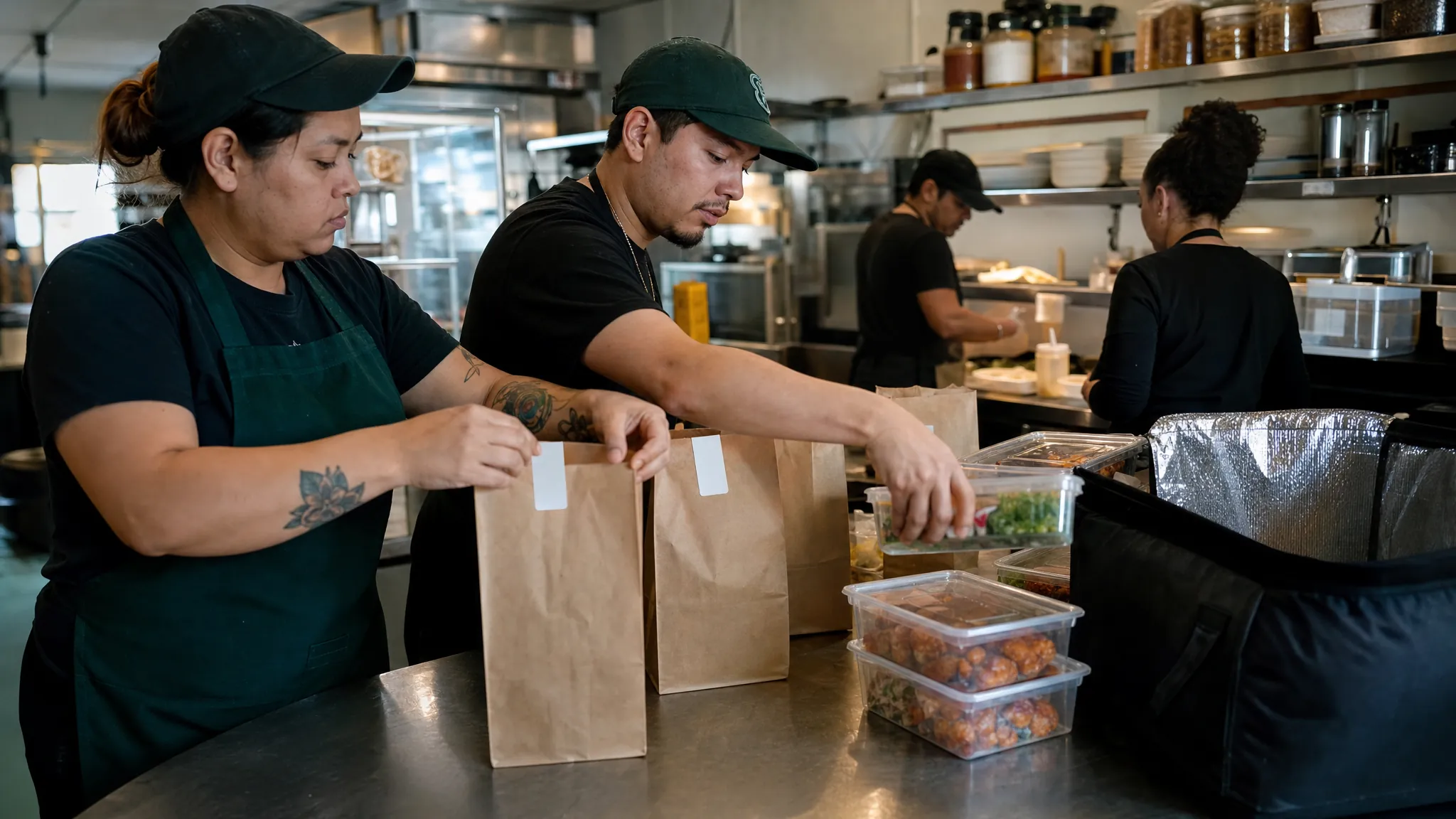
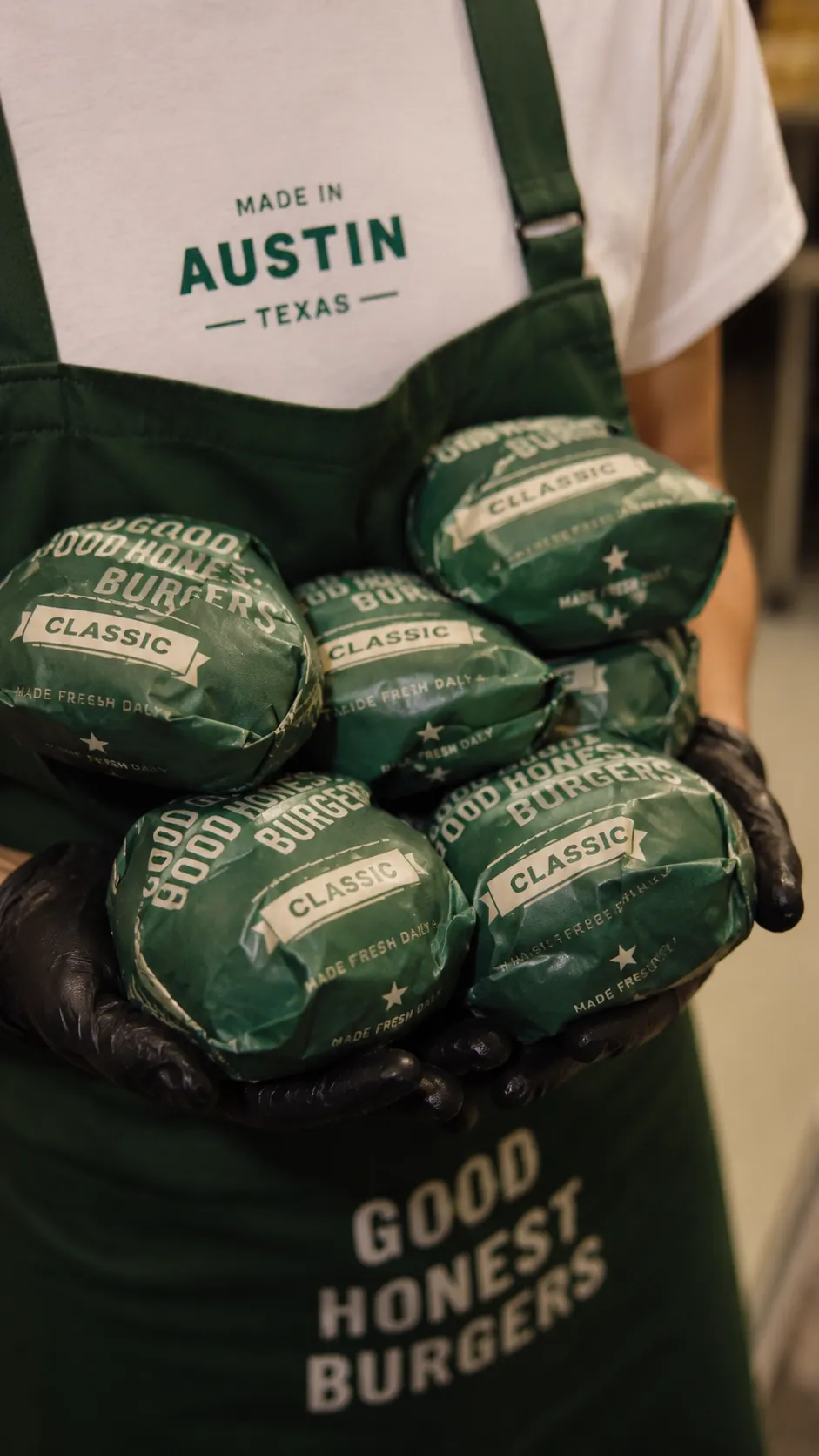
School lunch packaging has to do more than survive the drive. It needs to keep a meal identifiable through the receiving point and into the school’s distribution routine. That usually means each order is packed separately, labeled clearly, and placed in a way that the restaurant and school can sort without opening every bag.
Confirm what information belongs on the label and how the school wants meals grouped. A large paper sack with 80 unlabeled wraps may be efficient in the kitchen and miserable at the handoff. A simple routine for individual names or IDs, item identification, and grouped bags can save the receiving team from solving a puzzle while students are already moving toward lunch.
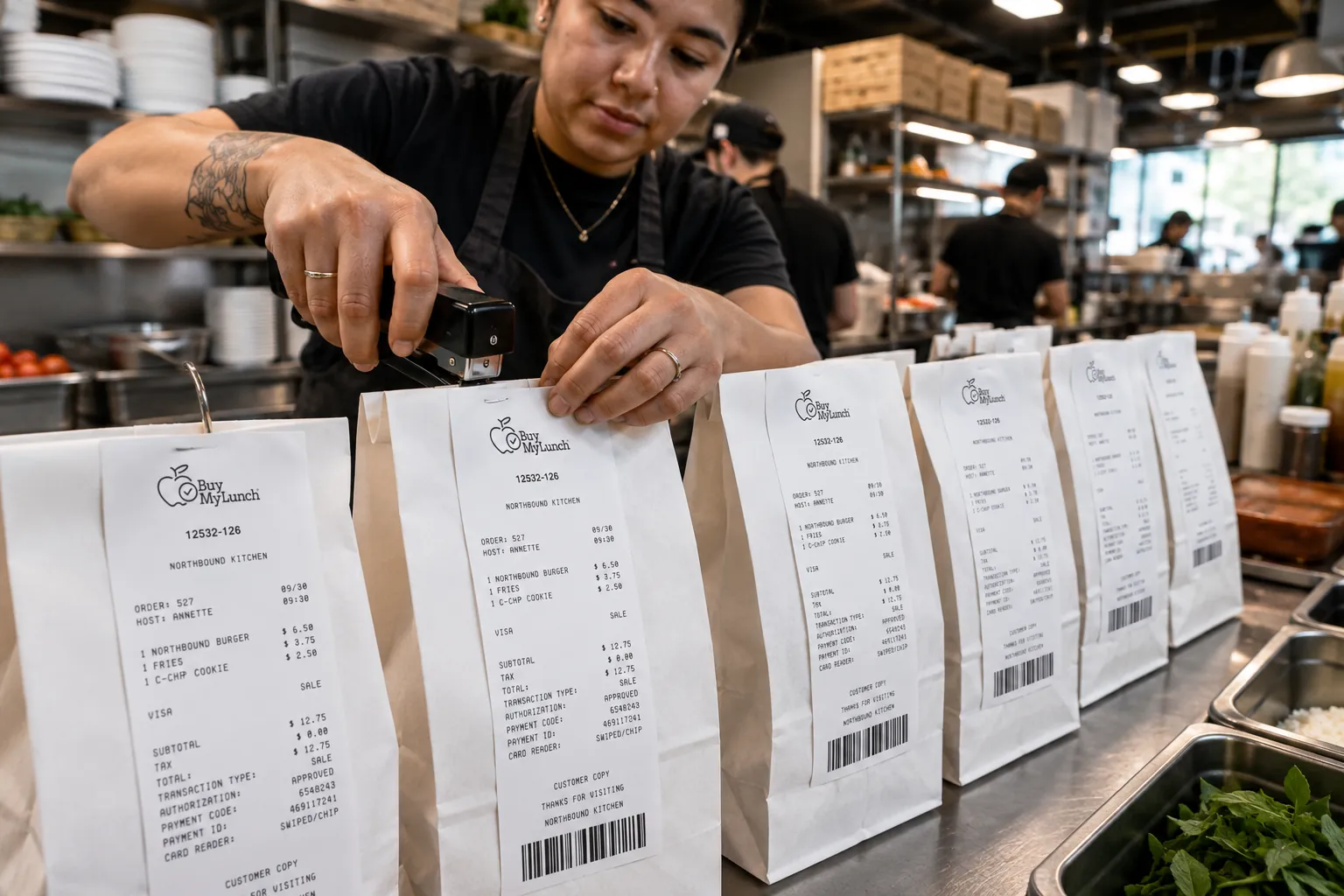
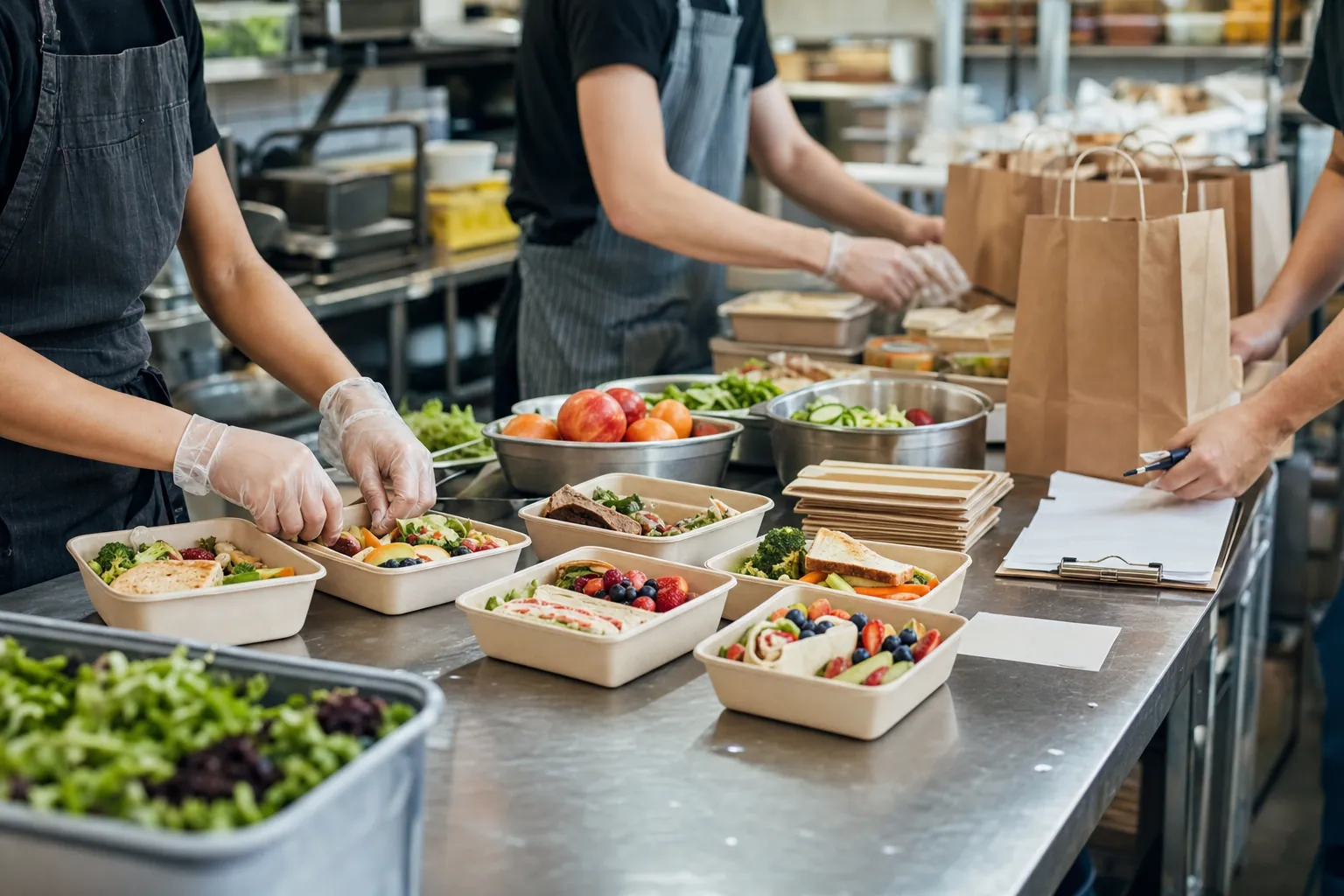
The packaging itself has to fit the food. Check whether it keeps hot and cold items separated when needed, whether sauces and utensils are accounted for, whether the label stays attached, and whether it stacks in the delivery vehicle without crushing the order. Our guide to meal packaging for school lunch programs offers a practical checklist for testing those details before a program scales up.
6. Agree on the handoff before families order
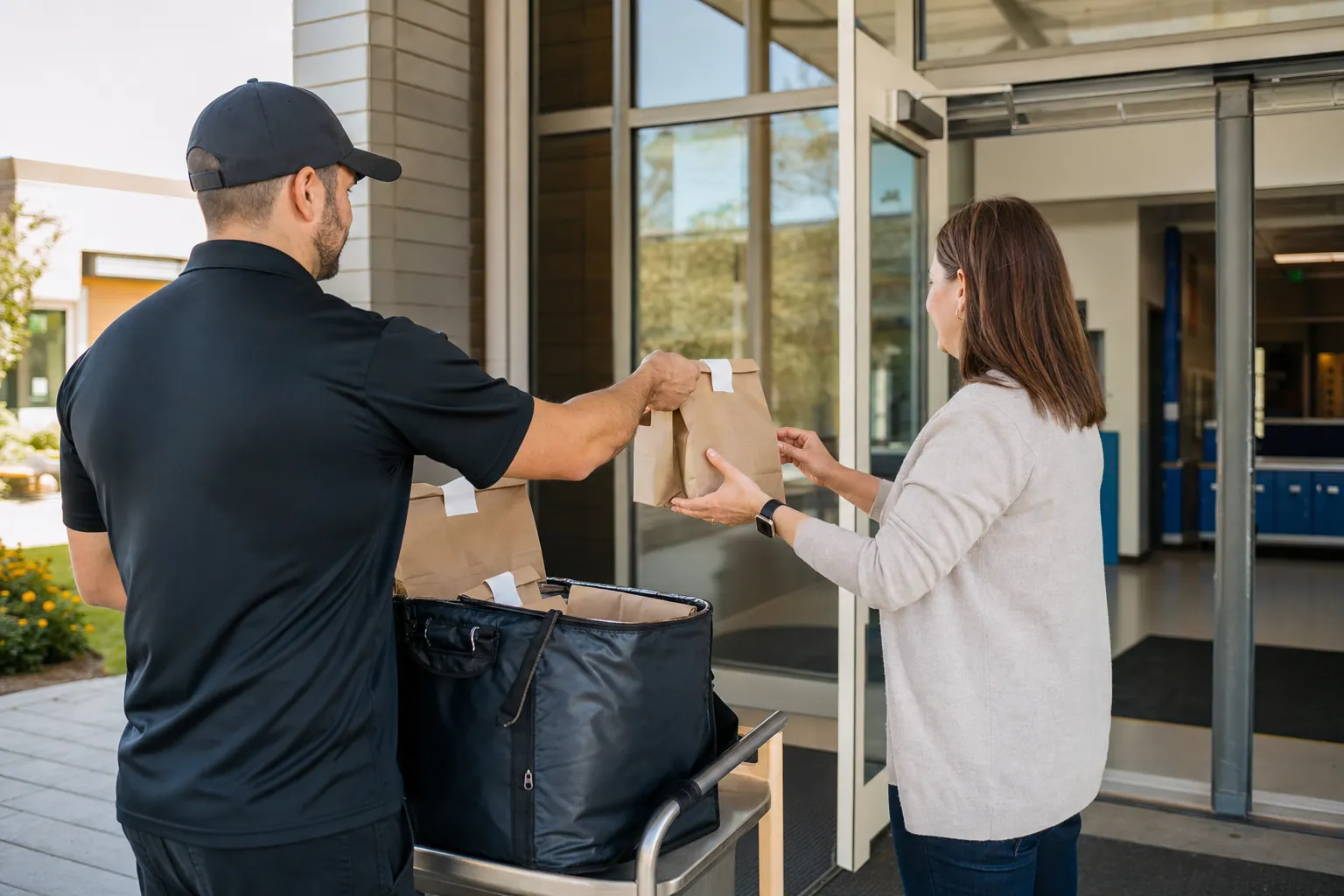
A restaurant can have excellent food and still create a bad lunch day if nobody knows where the meals go next. Before launch, agree on a delivery window, entrance, parking or unloading plan, receiving contact, and the point where the restaurant’s responsibility ends.
Keep the plan simple enough to survive a substitute staff member, a delayed driver, or a busy front office. One named contact is better than “someone will probably be there.” One delivery location is better than “the usual door.” And one clear path for a missing or incorrect order is better than a staff member trying to track down a kitchen during the lunch period.
The school also needs a clear family support path. Restaurant teams should not have to answer every payment, account, or parent-order question during a service rush. A structured program separates the roles: families know where to order and ask for help, the school knows how the delivery arrives, and the restaurant knows what it is making and where it is taking it.
7. Treat the first lunch day as a test, not a verdict
The first service day is where an otherwise solid plan meets the real school schedule. A driver may need a different entrance than expected. A label format may be technically correct but hard to scan quickly. A meal that looked fine on the prep table may need a more secure sauce container after the ride. That is useful information, not a reason to scrap the whole program.
Keep the first menu manageable. Use a reasonable number of items, choose a delivery day the restaurant can support, and make sure the school contact knows when to expect the order. The restaurant should note what slowed prep, what caused a question at delivery, and what families or school staff needed explained. The school should note whether the meals arrived in the right place and were simple to distribute.
Then make one clean adjustment at a time. Tighten the order cutoff, simplify a menu description, group bags differently, add a delivery-contact number, or change an item that did not travel well. Small corrections after a real service day are far more useful than trying to predict every problem from a conference-room conversation.
This is also a good time to confirm the restaurant’s own limits. A program should fit alongside regular guests, not depend on the kitchen performing a miracle every Tuesday. A clear maximum order range and an honest delivery window protect the quality of both businesses. Reliable and repeatable beats ambitious and late.
A first-program checklist for restaurant teams
Before agreeing to the first lunch day, make sure the answers are written down:
- What kind of school lunch program is this?
- Which days, grades, and expected order range does it serve?
- Who approves the menu and tells families when ordering opens?
- When do orders close, and what does the restaurant receive?
- How are meals individually identified and grouped?
- Who delivers, where do they arrive, and who receives the food?
- Who handles a parent payment question, missed meal, or credit?
The point is not to make a lunch program feel complicated. It is to solve the predictable questions while everyone has time to answer them. The easiest school lunch day is usually the one where the kitchen, driver, and school office are not inventing the routine in public.
How Buy My Lunch helps restaurant partners
Buy My Lunch helps restaurants serve school lunch and group meal programs with an ordered-ahead model. Families use school-specific menus to place orders, restaurants receive organized counts and meal details, and the school has a delivery and handoff plan that does not depend on individual parent messages.
Restaurant partners still bring the food, the kitchen judgment, and the delivery. Buy My Lunch organizes the parts that are easy to lose between a parent order and a school lunch period: payment flow, order timing, individual meal information, support details, and the school context around delivery. Visit Restaurant Partners for the working model, or use the restaurant setup guide for more specific questions about menus, orders, labeling, and delivery.
Frequently asked questions
Can a restaurant sell lunch directly to a school?
Yes, but the operating model needs to be clear before service starts. Some schools arrange parent-paid restaurant lunch days, while others operate federally managed meal programs with their own rules and contracts. Start by asking the school what kind of lunch service it is and who is responsible for the agreement, ordering, and handoff.
What does a restaurant need for a school lunch program?
A restaurant needs a menu that can be prepared repeatedly, a clear order cutoff, usable meal counts, individual order details, packaging that travels well, a delivery plan, and one person at the school who can receive the meals. The exact setup varies, but those basics should be agreed before families begin ordering.
How far ahead should school lunch orders close?
The best cutoff is the one that gives the restaurant enough time to order ingredients, schedule prep, and package the confirmed meals without disrupting regular service. Buy My Lunch restaurant programs generally use an advance cutoff, but each school and restaurant should agree on a schedule that is realistic for both sides.
Who delivers restaurant meals to the school?
That should be decided in advance. A restaurant partner may deliver the meals, or the school and program may use another agreed method. What matters is that the driver, delivery window, receiving point, and contact person are clear before the first lunch day.
Can a restaurant use its normal menu for school lunch?
Sometimes, but a school lunch menu usually works better when it is edited for the school day. Restaurants should consider portion options, individual packaging, item clarity, price, sides, utensil needs, preparation time, and what the delivery team can realistically carry and hand off.
How does Buy My Lunch help restaurant partners?
Buy My Lunch connects school-specific parent ordering with restaurant prep, payment flow, delivery details, and the school handoff. Restaurant teams receive organized advance orders and can focus on making, packing, and delivering meals instead of sorting through individual parent requests.