

A hot lunch program sounds self-explanatory until you are the parent trying to use one for the first time. Is it the cafeteria? A pizza day? A restaurant order? Do you need an app? Can you order at 8 a.m. for lunch at noon?
The short answer is that a hot lunch program gives students access to prepared food during the school day. The useful answer is that every school runs it a little differently. Some schools operate a meal service. Some coordinate occasional vendor days. Some offer a parent-paid restaurant option with online ordering. The school sets the menu, schedule, ordering rules, and handoff.
That last part matters. A hot lunch program is not just food arriving near a school. It is a plan for a particular day, a particular student, and a particular lunch period. Once you see the pieces, ordering gets a lot less mysterious.
Key takeaways
- A hot lunch program gives students access to prepared meals during the school day. The exact setup is decided by the school.
- A school-approved program usually connects a menu, order deadline, student details, restaurant preparation, delivery, and a known handoff.
- Parents should start with the school's current lunch information, not a general delivery app.
- Check the order cutoff, meal details, student information, allergy process, and cancellation or credit rules before paying.
- Buy My Lunch helps participating schools organize restaurant meals around a real school schedule instead of treating lunch as an unplanned delivery.
What people mean by a hot lunch program
In everyday school language, hot lunch usually means a prepared lunch option that families can order or students can receive at school. It may be served every day, once a week, once a month, or only for special menu dates. The food might come from a school kitchen, a caterer, a restaurant partner, or another provider the school has approved.
The phrase does not automatically tell you who pays, who makes the food, or which rules apply. For example, the National School Lunch Program is a federal meal program administered through participating schools. A parent-paid restaurant lunch day is usually a separate local arrangement. Both may be called hot lunch by families, but they are not interchangeable.
Start with the school's own description. It should tell you which dates are available, where to place an order, how payment works, and who to contact with a question. That beats decoding a flyer from the bottom of a backpack after the deadline has passed.
How a school hot lunch day usually works
The exact workflow changes from school to school, but a well-run hot lunch day follows a recognizable sequence. Families see the menu early enough to choose. Orders close before the meal date. The food provider works from a real count. Meals arrive at the agreed place and time. A staff member or school routine gets them to the right students.
The ordering deadline is not busywork. A restaurant needs time to buy ingredients, cook, pack, label, and route the right number of meals. The school also needs to know what is coming. That is why an order placed after the cutoff may not be possible even when the restaurant is open for regular takeout.
If your school uses Buy My Lunch, the goal is to keep those steps connected. Families order from the menu available for their school, restaurant partners prepare from the submitted orders, and lunch arrives through an arranged school handoff. Our guide to ordering school lunch online walks through the parent side step by step.
What to check before you order
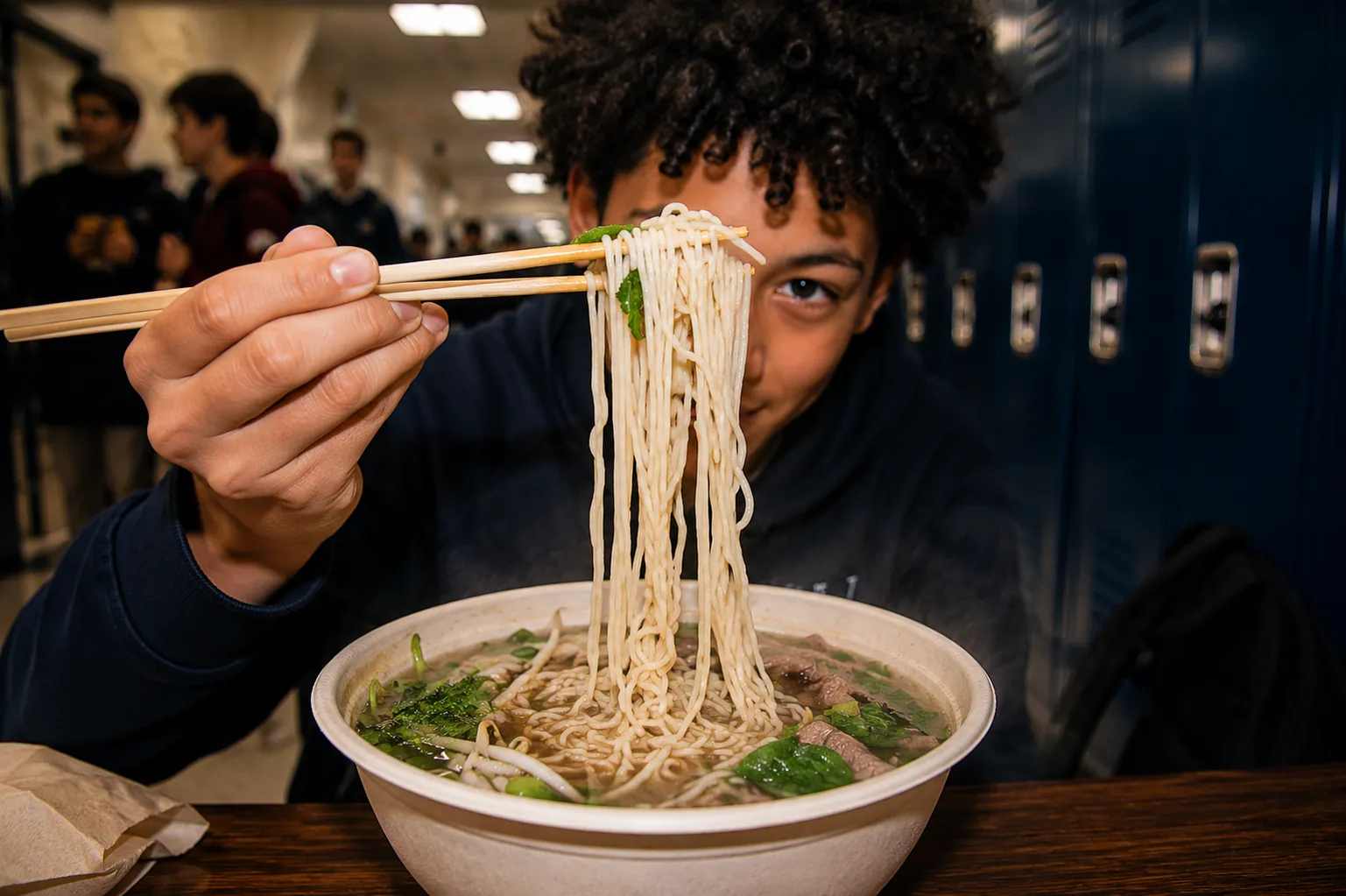
The most useful first-order habit is to read the full menu page before picking a meal. Look for the serving date, ordering cutoff, price, student information the program requires, and the rules for edits, absences, credits, or refunds. These details are not always the same from one school to the next.
Then check the meal itself. Look at the item name, sides, portion notes, and ingredient information the program provides. If your child has a food allergy or another dietary need, follow the school's stated process. The FDA's food allergy guidance explains why ingredient and allergen information matters, but families should not treat a last-minute order note as a substitute for the school's required allergy process.
Finally, confirm the student details. Use the name, grade, homeroom, or other information the order form asks for. It may feel fussy when you are trying to pay and move on, but those details help the school match an individual meal to the right child during a busy lunch period.
It is also worth checking whether the program is offering lunch on the date you need. Some schools run restaurant lunch on fixed days, while others rotate providers or open a menu for selected dates. "Hot lunch is available" does not always mean every day, every student, or every restaurant. The calendar on the school-approved ordering page is the detail that settles the question.
Why this is different from ordinary food delivery
A restaurant delivery at home has one destination and one customer. A school lunch handoff has a campus entrance, a delivery window, staff routines, student schedules, and sometimes dozens or hundreds of separate orders. A driver cannot reasonably guess which office, classroom, or lunch period should receive a meal.
That is why a school-approved program is useful. The delivery location, recipient, timing, and order information are decided before lunch day. Parents are not left hoping a driver can find the right person between dismissal traffic and fourth-grade recess. For more on school delivery policies, read can food be delivered to school?
If your school does not list an approved lunch option, do not assume you can substitute a personal delivery order. Check with the school first. The answer may be no, or it may depend on the day, campus procedures, and the person responsible for receiving food.
This is also why arriving food does not necessarily go straight to a classroom. A school may use a front-office handoff, a cafeteria table, a grade-level pickup point, or staff distribution. The best approach is the one the school has already planned. Parents do not need to memorize the route, but they do need to avoid adding a new one at the last minute.
Choosing meals without making lunch a daily debate
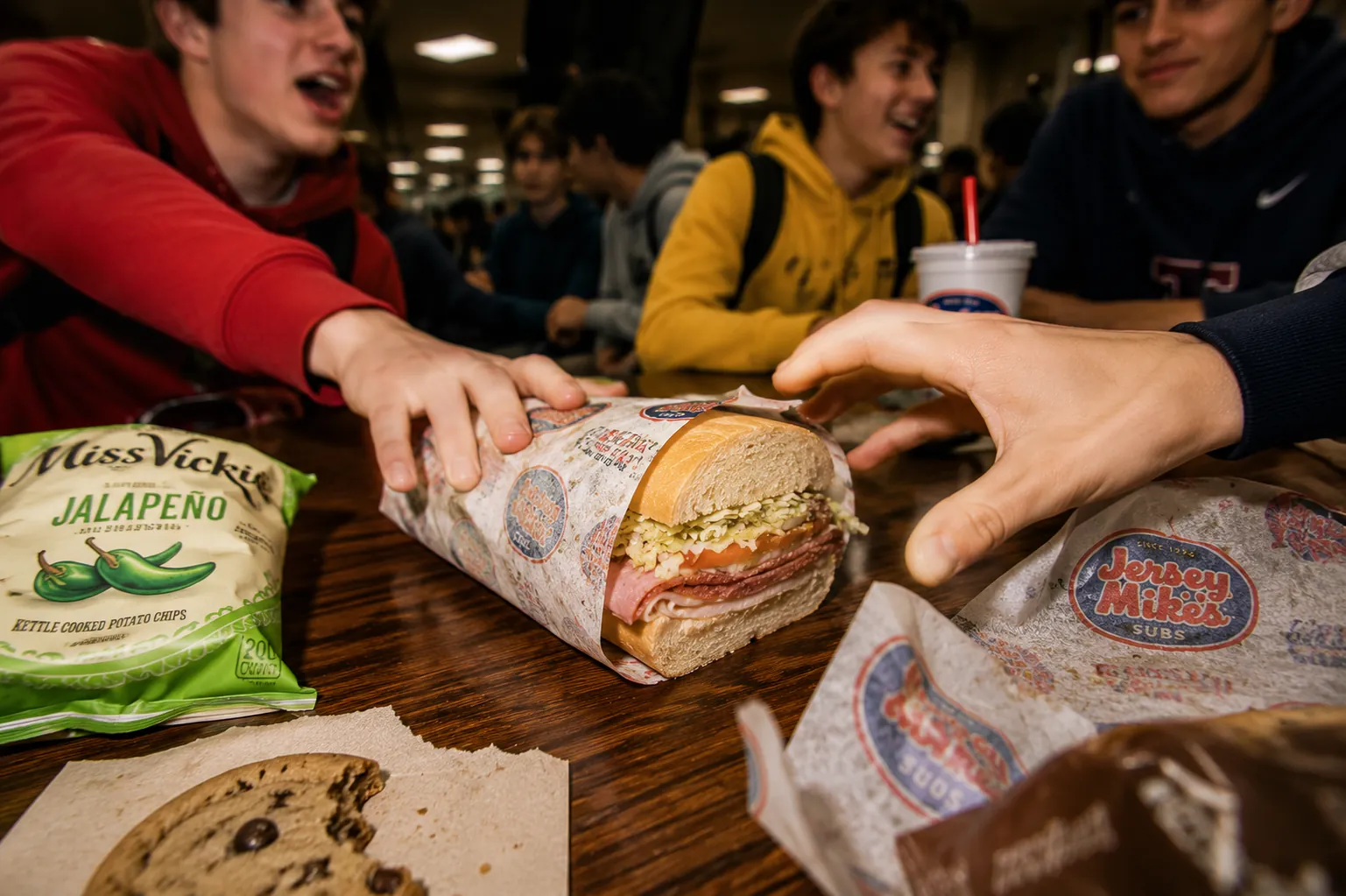
A hot lunch program gives families a convenient option, not a requirement to choose the most exciting item on the menu every time. For a first order, pick something your child already likes and that looks manageable for a school day. Familiarity usually beats turning lunch into a surprise tasting menu on a Tuesday.
Keep the decision simple: look at the available restaurant, choose the date, check the sides and ingredient details, and ask your child to pick from two or three realistic options. Schools and restaurant partners can rotate menus, but a family does not need to solve the entire semester's lunch plan in one sitting.
If your child is selective, the right question is not "what is the perfect school lunch?" It is "which available meal are they likely to eat?" Our school lunch ideas for picky eaters has practical ways to think about familiar restaurant-made choices.
Do not confuse variety with pressure. A good menu can offer pizza, tacos, pasta, bowls, wraps, or other familiar formats without requiring your child to make a bold new culinary choice before first period. Use the first few orders to learn which portions, flavors, and sides actually work for your family. That is more useful than trying to predict every preference from one menu.
A simple first-week hot lunch routine
The first week is the only time a hot lunch program feels like a new system. After that, it should become a short routine. Pick one place to keep the school lunch information, whether that is the ordering account, a family calendar, or the school newsletter. Note the available lunch days and the order deadline, then place an order early enough that a missing detail is easy to fix.
On the evening before lunch, a quick check is enough: confirm the date, make sure your child knows lunch is ordered, and keep the confirmation where you can find it. You do not need to send them to school carrying an order number like a boarding pass. You do want them to know whether to expect the regular lunch routine or a school-provided restaurant meal.
After the meal, ask one useful question: "Would you order that again?" That is better feedback than a dramatic postmortem in the car line. A simple yes, no, or "only without that sauce" helps you choose the next order. It can also help a school understand which options families return to when it gathers program feedback.
When lunch becomes a regular part of the week, set a repeating reminder before the cutoff rather than on the morning of service. The reminder is not glamorous. Neither is realizing at 12:05 p.m. that the order window closed yesterday. Small routines win this one.
What to do when plans change
Kids get sick. Calendars change. A meal sounds excellent on Sunday and suddenly not so excellent on Wednesday morning. The right move is to check the program's change or credit policy as soon as you know something is different. After the deadline, the meal may already be included in a restaurant's count and prep plan.
Keep the order confirmation until lunch day. If something needs attention, it helps to have the student name, meal date, selected item, and confirmation available. A precise question gives the school or support team a real starting point. "Lunch issue" is a little thin. "Jordan Lee, Friday, pasta order, confirmation 1234" is something a person can actually find.
For participating Buy My Lunch schools, the parent help page explains account setup, ordering, credits, delivery questions, and the support path. School teams exploring a restaurant-made option can also review hot lunch programs for schools.
How Buy My Lunch helps hot lunch work at school
Buy My Lunch works with participating schools and local restaurant partners to make restaurant-made lunch a school plan, not an office interruption. Families see the options offered to their school and order ahead. Restaurants prepare from a real count. Meals arrive labeled and organized around the delivery and handoff the school has agreed to.
That does not make every lunch question disappear. It does put the menu, order, preparation, delivery, and support path in the same process. For a family, that means fewer loose ends. For a school, it means a lunch option that does not depend on someone sorting out surprise deliveries at noon.
Frequently asked questions
What is a hot lunch program?
A hot lunch program gives students access to prepared meals during the school day. Depending on the school, it may use a cafeteria, a caterer, a local restaurant, or a school-approved ordering program. Families usually choose from the available menu before a posted deadline.
How does a school hot lunch program work?
Families review the menu for their school, choose a meal for an available date, and place the order before the cutoff. The food provider prepares from the submitted order count, then the school receives meals through its planned delivery and distribution routine. The details vary by school, so the school communication is the best source for the current process.
Can I send a regular food delivery to my child's school?
Not automatically. Schools set their own rules for outside food and campus deliveries. A school-approved lunch program is planned around the delivery location, timing, student details, and staff handoff. Check the school's policy before arranging any individual delivery.
What should I check before ordering hot lunch?
Confirm the lunch date, ordering deadline, student name and grade details the program requests, meal choice, ingredient information, payment total, and the rules for changes or credits. If your child has an allergy or a medical dietary need, use the school's stated process rather than relying on a checkout note.
Is a hot lunch program the same as the National School Lunch Program?
Not necessarily. The National School Lunch Program is a federal school meal program with its own eligibility, meal, and administrative requirements. A local hot lunch program may be a separate parent-paid option arranged by a school. Ask the school which lunch model applies to the meal you are considering.
How does Buy My Lunch support hot lunch programs?
At participating schools, Buy My Lunch brings school-specific restaurant menus, parent ordering, preparation counts, delivery details, labeled meals, and the school handoff into one organized process. Families order ahead from the options their school offers, rather than asking the office to manage individual deliveries.
Related posts
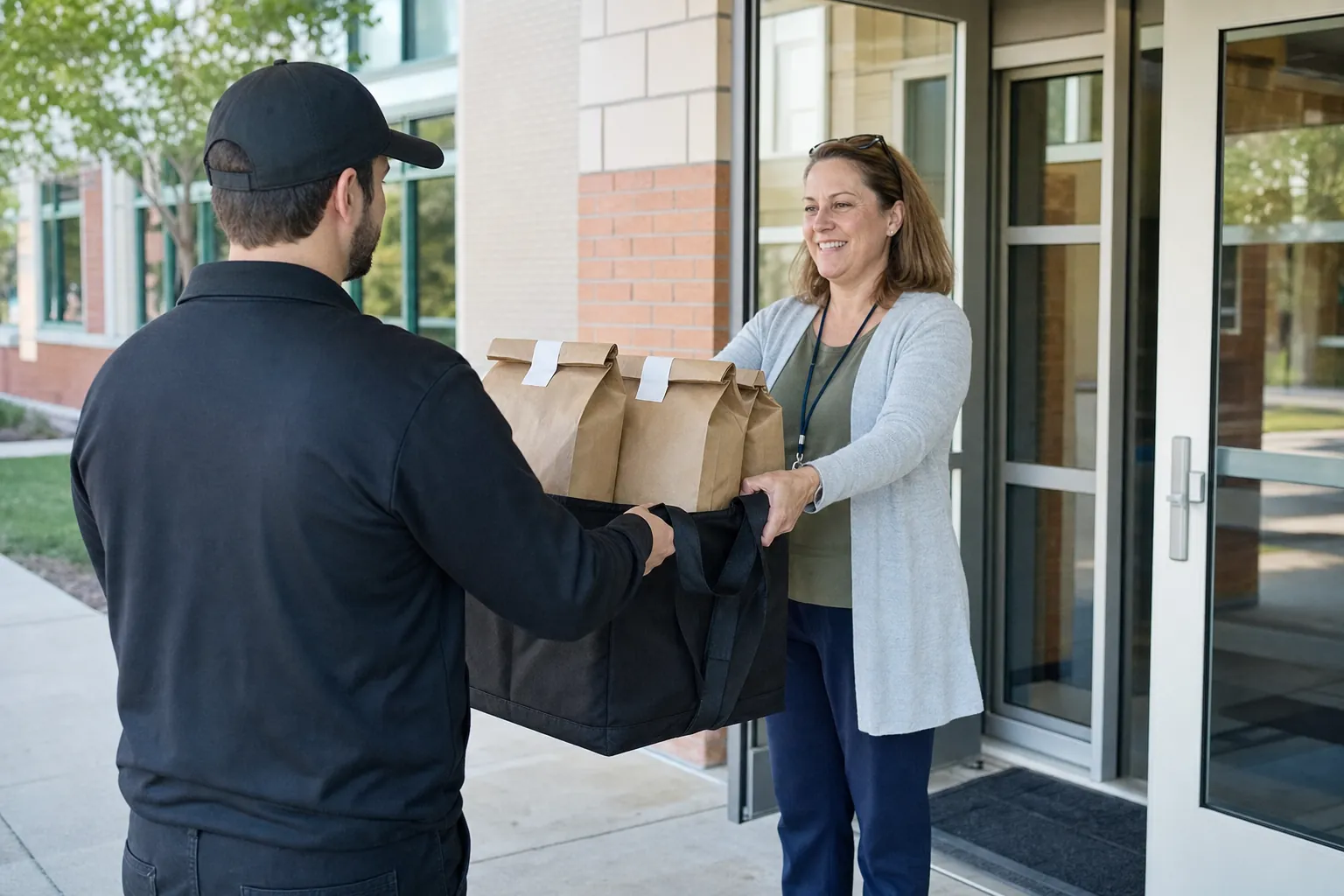 School Lunch OperationsCan You Get Food Delivered to School? What Parents Need to Check
Can food be delivered to school? Usually only when the school allows it. Check the policy questions parents should answer before ordering lunch.
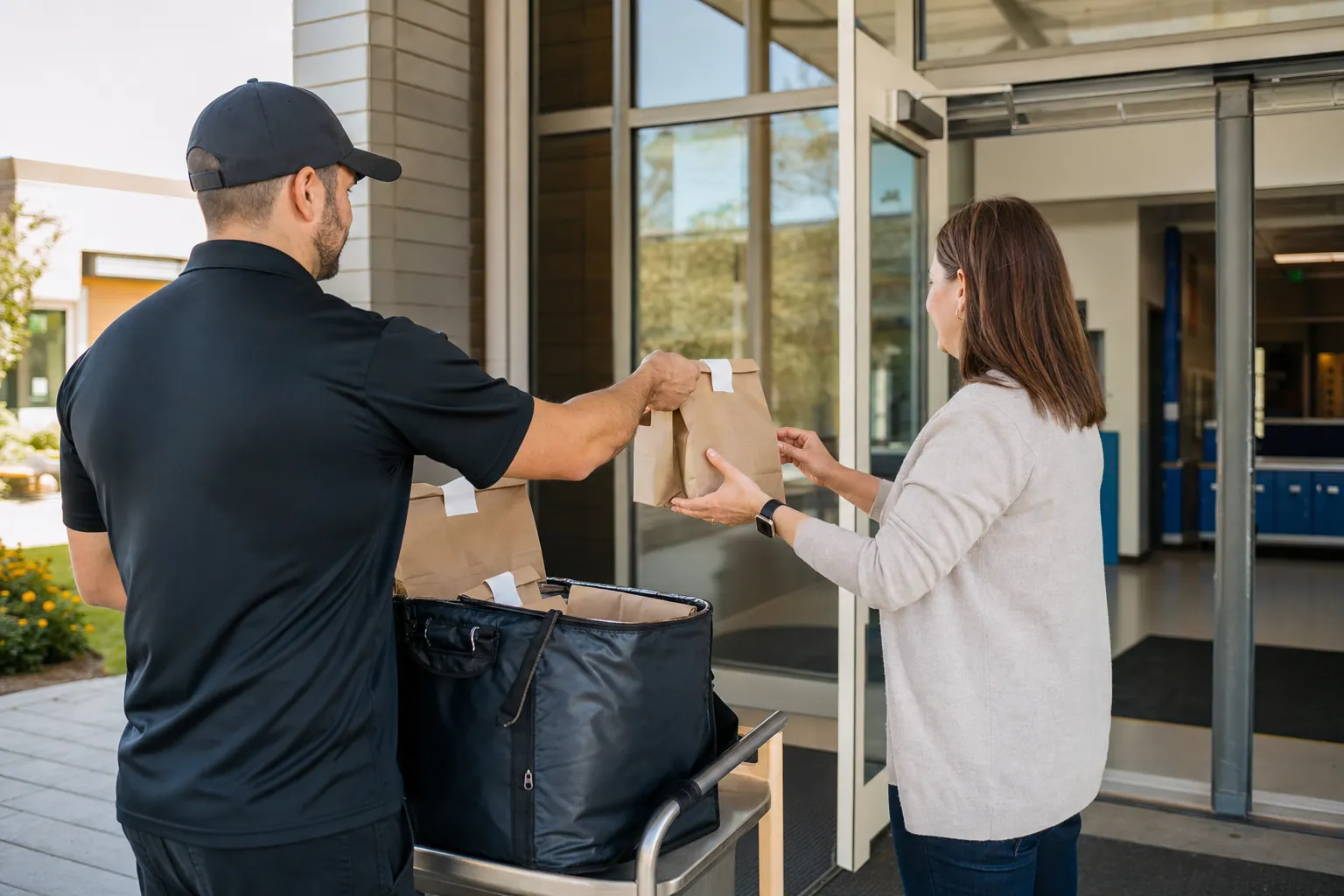 School Lunch OperationsHow School Lunch Delivery Works: A Practical Guide
A practical guide to school lunch delivery, from parent orders and restaurant prep through route timing, labels, school handoff, and launch-week review.
 Parent Lunch HelpHow to Order School Lunch Online
A practical parent guide to finding the right school lunch option, checking the cutoff, placing an order, and knowing what happens next.