
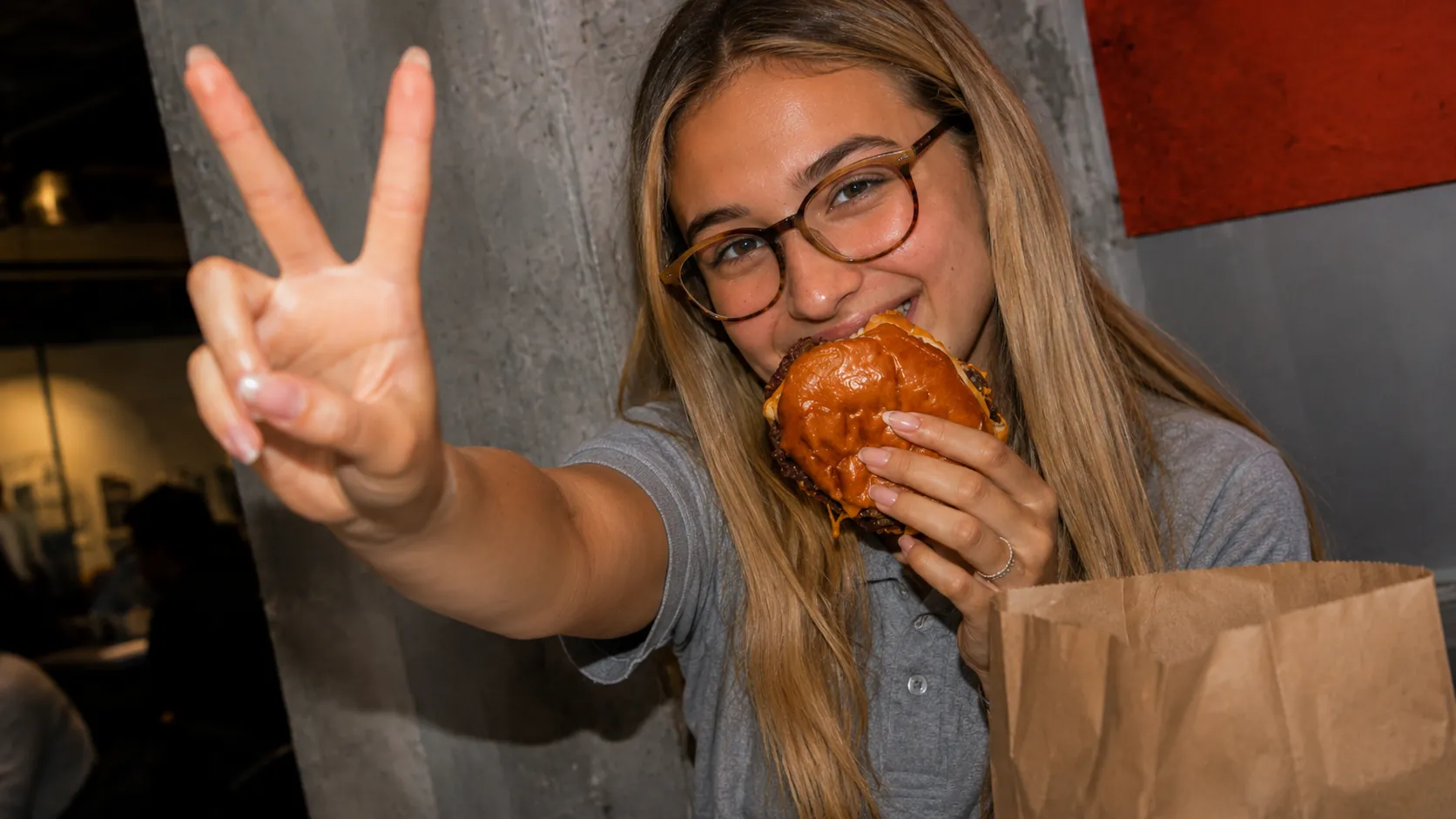
School lunch ideas for picky eaters are usually written like the child simply has not seen enough cute compartments yet. That is optimistic. Also, often wrong.
A picky eater is not a tiny food critic who needs a better garnish. They may be dealing with texture, smell, temperature, unfamiliar sauces, foods touching, short lunch periods, embarrassment, low appetite at midday, or plain old preference. If the lunch plan ignores those things, the food comes back. Sometimes all of it. Sometimes with the lid still on, which is a special kind of message.
The useful goal is not to make a picky eater suddenly adventurous at noon in a loud lunchroom. The goal is to offer food they trust, add small bits of variety, and build a restaurant lunch rhythm that families, schools, and restaurants can repeat. Practical lunch is a system. Not a Pinterest apology.
Start with the familiar food
For picky-eater lunches, familiar food is not surrender. Familiar food is the base. It is the pasta, crackers, rice, yogurt, pizza, noodles, quesadilla, soup, fruit, or chicken your child is already willing to eat. Once that anchor is in place, lunch becomes less risky.
The CDC notes that picky behaviors, including refusing foods or preferring just a few foods, can be normal in young children. It also says children may need repeated chances before they accept a new food. CDC guidance for picky eaters is helpful because it makes one thing clear: one rejected cucumber stick is not a final verdict from the Supreme Court of Lunch.
That matters because school is not the ideal place to stage a major food experiment. Kids have a limited window to eat. They may need to open packaging, manage utensils, sit with friends, and finish before the next bell. A safe anchor gives them something reliable while you slowly expand the edges.
Use the one-small-change rule
The fastest way to lose a picky eater is to change everything at once. New bread, new filling, new sauce, new fruit, new packaging, and a motivational note? That is not lunch. That is a trust fall.
Use one small change instead. Keep the accepted food, then adjust one part:
- Keep plain pasta, add meatballs or shredded chicken on the side.
- Keep crackers, add cheese, hummus, turkey, or fruit.
- Keep pizza, add apple slices and water.
- Keep rice, add a mild sauce cup the child can ignore or try.
- Keep yogurt, add granola separately so texture stays under control.
- Keep noodles, add cucumber, edamame, or chicken in a small side cup.
USDA's picky-eater tips recommend small portions, patience, and letting children try tiny amounts of new foods without turning it into a performance. USDA healthy tips for picky eaters are written simply, which is exactly why they work: small, calm, repeated exposure beats pressure.
Build lunch by texture
Many picky-eater lunch battles are really texture battles. A child may accept crunchy but reject mushy. They may like dry foods but hate sauce. They may like warm pasta outside school but refuse a cold version at school. The same ingredient can be completely different once the texture changes.
Match the lunch to the texture they trust
If they like crunchy foods
Try cracker stackers, pita chips with hummus, apple slices, cucumbers, pretzels, granola, roasted chickpeas, or toasted quesadilla triangles.
If they like soft foods
Try noodles, rice bowls, soup, mac and cheese, yogurt, egg bites, mild beans, meatballs, or soft tortilla wraps.
If they hate mixed foods
Deconstruct the meal. Portion sauce, protein, fruit, vegetables, and bread separately so the child controls what touches.
If they only like familiar restaurant meals
Look for school-approved options that echo what they already eat: pizza, rice bowls, noodles, wraps, tacos, pasta, or mild chicken meals.
Texture is not a minor detail. It is often the whole deal. If the lunch keeps coming back untouched, ask whether the food was soggy, too cold, too messy, hard to chew, hard to open, or weird next to other food. "Did you like it?" is useful. "What made it hard to eat?" is better.
Try these school lunch ideas for picky eaters
Use this list as a menu, not a dare. Pick two or three that fit your child and repeat them before adding more. Repetition is not a failure. Repetition is how school mornings remain survivable.
- Pizza wrap with fruit, cucumbers, and yogurt.
- Plain pasta with meatballs, grated cheese, and apple slices.
- Cracker stacker box with turkey, cheese, grapes, and carrots.
- Bean and cheese quesadilla triangles with salsa on the side.
- Chicken rice bowl with sauce portioned separately.
- Bagel mini pizzas with orange slices and water.
- Yogurt parfait box with berries and granola in a separate cup.
- Noodle bowl with chicken, cucumber, and mild dressing on the side.
- Breakfast-for-lunch plate with mini pancakes, yogurt, fruit, and egg.
- Warm soup or pasta with bread, cheese, and a familiar fruit.
- Hummus pita box with crackers, cucumbers, pretzels, and grapes.
- Restaurant-made school lunch ordered ahead from a familiar option.
Notice the pattern: one trusted anchor, one protein or filling food, one fruit or vegetable, and one easy side. It does not need to be a nutrition masterpiece. It needs enough substance for the afternoon and enough familiarity that opening it feels realistic.
Add new foods as tiny sides
If a restaurant menu introduces a new food, make it low stakes. Keep the familiar main, then add one tiny taste beside it. A single cucumber coin. Two edamame beans. A tiny sauce cup. A small piece of chicken. A strawberry half. The portion should be so small it does not feel like the whole lunch is being held hostage.
HealthyChildren, from the American Academy of Pediatrics, encourages repeated exposure and involving children in choosing or preparing foods. HealthyChildren's picky-eater advice is useful because it moves the job away from pressure and toward practice. In school-menu planning, that points toward small choices and low-pressure exposure instead of a performance.
For school lunch, that means choice should be bounded. Not "What do you want?" because that is how a Tuesday morning becomes a hostage negotiation. Try "Do you want pasta or a quesadilla tomorrow?" or "Do you want grapes or apple slices with the pizza?" Two acceptable options give control without chaos.
Do not ignore protein
Picky eaters can drift into all-snack lunches because snacks are predictable. Crackers, pretzels, chips, fruit snacks, and cereal bars have consistent textures and flavors. That predictability is appealing, but it may not carry kids through the afternoon.
Johns Hopkins recommends nutrients children need to grow and succeed in school, and its picky-eater lunch tips point families toward practical ways to include more balanced options. Johns Hopkins school lunch tips are a good reminder that picky-eater lunches still need staying power.
Protein does not have to mean a deli sandwich. Try cheese, yogurt, beans, hummus, eggs, chicken, turkey, tofu, edamame, lentils, meatballs, tuna if your child and school allow it, or a restaurant meal with a familiar protein. If the protein comes back untouched, change the format before you declare the ingredient dead. Chicken in a wrap, chicken in a rice bowl, and chicken in a nugget-style shape are not the same food to a picky eater. Ask any parent who has learned this the expensive way.
Use hot lunch when hot food is the familiar option
Some picky eaters do not reject variety. They reject food that feels different at school. They eat pasta, rice, noodles, pizza, chicken, or tacos outside school, then refuse a version that arrives cold, soggy, or hard to manage. That is not confusing. That is temperature and texture.
Restaurant-prepared school lunch can fit here because restaurants already know how to make the warm foods kids recognize: pasta, rice, meatballs, noodles, pizza, tacos, and bowls. The school-specific program still needs realistic packaging, delivery timing, and handoff steps. A warm lunch that requires adult engineering is not a school lunch. It is a project.
Ordered-ahead restaurant lunch can also fit when the school has a structured program. The key word is structured. Random takeout does not solve the school lunch problem. A school-specific menu, real order counts, labels, delivery timing, and handoff make the option workable for parents, schools, and restaurants.
Where Buy My Lunch fits
Buy My Lunch is useful for picky eaters because choice matters. Parents can order from the restaurant options available through their school, and kids can choose from familiar meals before the day gets loud. That gives families more variety than the same fallback meal on repeat, without asking the school to manage a messy one-off ordering process.
The system matters as much as the menu. Restaurants prepare against real orders. Schools get clearer labels, rosters, delivery visibility, and handoff steps. Parents get a practical way to choose meals ahead of time. A picky eater still gets familiar food, but the adults are not rebuilding lunch from scratch every morning.
Parents can start with the parent ordering guide. Schools can review the school setup guide. Restaurants can see how the restaurant lunch program works. The point is not to promise that every child will eat everything. Please. The point is to give families, schools, and restaurants a clearer way to offer practical choices.
Read leftovers as data
Leftovers are not a moral judgment. They are information. If the main food comes back, the anchor may be wrong. If the protein comes back, the format may be wrong. If the fruit comes back, the cut, ripeness, or texture may be wrong. If everything comes back, the issue may be lunchroom time, stress, packaging, temperature, or a child who spent lunch talking instead of eating. Shocking behavior from children, obviously.
Track patterns for a week. What gets eaten first? What always survives? Which restaurant meals disappear? Which packaging never gets opened? Which item only fails when it arrives cold? Small patterns tell you more than one dramatic lunch failure.
Then adjust one thing. Change the shape. Change the dip. Separate the sauce. Warm it. Cool it. Cut it smaller. Offer two choices. Use a restaurant option when it fits. The lunch system has a better feedback loop when the observations are calm enough to repeat.
A five-day picky-eater lunch rhythm
A weekly rhythm keeps decisions from multiplying. The food can change, but the categories stay familiar:
- Monday: pasta, noodles, or rice with one safe protein.
- Tuesday: cracker stacker, wrap, quesadilla, or sandwich alternative.
- Wednesday: restaurant-made school lunch ordered ahead when available.
- Thursday: breakfast-for-lunch or yogurt box with fruit and crunch.
- Friday: comfort-food lunch with one small produce or protein upgrade.
This rhythm gives parents a shopping pattern, gives kids a familiar structure, and creates predictable chances to add variety. It also makes lunch less emotionally loaded. Nobody needs a fresh identity crisis over a Thursday yogurt cup.
The goal is a lunch that gets eaten
The most practical picky-eater lunch is not the most creative one. It is the one that gets eaten often enough to help your child through the school day. Start with familiar accepted foods. Add one small change. Respect texture and temperature. Give bounded choices. Use ordered-ahead restaurant lunch when it gives your family a cleaner path to familiar variety.
Progress may look boring. The same pasta with a new side. The same pizza with fruit. The same rice bowl with sauce nearby instead of mixed in. Boring is fine. A lunch that disappears beats an ambitious one that returns untouched and smug.
Key takeaways
- School lunch ideas for picky eaters are often more practical when they start with familiar accepted foods, not wishful thinking.
- Small menu changes repeat better than dramatic makeovers that come back untouched.
- Texture, temperature, smell, packaging access, and lunchroom time matter as much as the recipe.
- A short list of parent-approved choices gives kids ownership without turning lunch into a negotiation.
- Buy My Lunch connects familiar restaurant-made options with organized ordering, delivery, labels, and handoff.
Frequently asked questions
What are good school lunch ideas for picky eaters?
Good restaurant-prepared school lunch ideas for picky eaters include safe-food meals with one small upgrade: pasta with chicken or cheese, quesadilla triangles with fruit, rice bowls with sauce on the side, mild noodle bowls, pizza-style wraps, yogurt parfaits, and familiar restaurant-made meals ordered ahead through school.
What restaurant lunch works for a picky eater who refuses sandwiches?
Use the same lunch structure without the sandwich. Restaurant menus can offer pasta, rice bowls, noodles, quesadillas, breakfast-for-lunch options, yogurt with granola portioned separately, hummus and pita, or protein-and-side meals. The goal is not to force a sandwich. The goal is to order a familiar meal that fits the school lunch period.
Should school menus introduce new foods to picky eaters?
School lunch is not the best place to make a brand-new food the main event. Restaurants and schools should introduce variety beside trusted anchors, in small portions, with familiar sauces or sides. School has time pressure, noise, friends, and limited help, so unfamiliar foods can feel bigger there than they do at the kitchen table.
How can I make picky-eater lunches healthier?
Start with accepted foods and add one useful piece at a time. Add protein to pasta, fruit beside pizza, yogurt beside crackers, vegetables with a favorite dip, beans or chicken in a bowl, or water instead of a sweet drink. A healthier lunch does not need to be perfect. It needs to be realistic enough to repeat.
What if my child only eats hot lunch foods?
If your child prefers hot lunch foods and your school offers ordered-ahead restaurant lunch through Buy My Lunch, choose from school-approved options your child already trusts: pasta, rice, meatballs, noodles, pizza, tacos, or other familiar restaurant meals. Then round out the day with breakfast, snacks, and dinner.
How does Buy My Lunch help families with picky eaters?
Buy My Lunch gives parents school-specific restaurant options they can choose ahead of time. For picky eaters, that keeps familiar meals inside a structured school program with menus, order counts, labels, delivery, and handoff.
Related posts
 Lunch IdeasElementary School Lunch Ideas for Real School Days
Elementary school lunch ideas that give families, schools, and restaurant partners practical menu formats built for real lunch periods.
 Lunch IdeasKindergarten Lunch Ideas for School Menus
How schools and restaurants can shape kindergarten-friendly menus that are familiar, manageable, and realistic for the school day.
 Lunch IdeasHealthy School Lunch Ideas for School Menus
Restaurant-prepared school lunch ideas that balance nutrition, kid preference, lunchroom time, and real delivery logistics.