
School lunch ideas are easy to collect and surprisingly hard to use. The internet will hand you 97 cute ideas, a penguin-shaped rice ball, and a menu plan that looks like it has its own production designer. Cute. Also not how most school lunch programs work.
A useful school lunch has to survive the real lunchroom: limited time, noisy tables, packed schedules, school rules, food preferences, and the basic fact that kids do not eat like calm adults reviewing a tasting menu. They eat fast, socially, and with opinions.
That is why practical school lunch ideas are not the fanciest ones. They are the ones kids can open, recognize, enjoy, and finish before the bell. They give parents a sane routine, give schools fewer lunchroom surprises, and still give kids the variety they want.
Start with the lunchroom, not the idea list
The CDC recommends that schools provide students at least 20 minutes of seat time once they receive their meal. It also points out that walking, waiting in line, paying, washing hands, and cleaning up can eat into the actual time students have to eat. CDC guidance on time for lunch is written for schools, but it should also shape restaurant lunch menus and parent ordering choices.
A lunch that takes eight minutes to open, assemble, peel, stir, or negotiate is already in trouble. Younger kids may need help opening packaging. Older kids may skip anything that looks messy or awkward around friends. A meal can be healthy and still fail because it asks too much of the lunch period.
So before choosing the food, ask a better question: can the student eat this quickly, neatly, and confidently at school? That question saves a lot of untouched meals.
It also keeps the bar honest. A great school lunch idea should not depend on perfect cafeteria conditions. It should still work if the line runs long, the class arrives late, the child forgets a fork, or the table is crowded. Practical beats precious every time.
Use a simple school lunch formula
Good lunch ideas are easier to repeat when they follow a pattern. Start with one anchor food, then build around it.
- Anchor: wrap, bowl, sandwich, noodles, pasta, soup, pizza, salad, or bento box.
- Protein: chicken, turkey, eggs, beans, tofu, yogurt, cheese, fish, or meatballs.
- Color: fruit, vegetables, salsa, slaw, edamame, roasted peppers, or salad.
- Crunch: crackers, cucumbers, apples, pita chips, pretzels, granola, or roasted chickpeas.
- Drink: water, milk, or another school-approved option.
The USDA's MyPlate model organizes meals around fruits, vegetables, grains, protein foods, and dairy. MyPlate is not a rulebook for every child or culture, but it is a useful gut check. If lunch has an anchor, a protein, and something fresh, it has a clearer meal structure than a random snack pile.
School lunch ideas by real-life constraint
Most lunch lists are organized by food type. That is fine, but parents usually need ideas by problem. The constraints are the real brief.
Pick the idea that fits the day
For cold lunch only
Try turkey pinwheels, hummus pita boxes, sesame noodle bowls, chicken pasta salad, cheese and cracker bento lunches, or yogurt parfaits with fruit and granola portioned separately.
For hot lunch energy
Use restaurant-prepared soup, pasta, rice bowls, meatballs, chili, or noodles. If the school offers ordered lunch, choose meals that arrive ready to eat instead of needing classroom assembly.
For picky eaters
Keep the favorite food and change the shape. A sandwich becomes pinwheels. Chicken becomes a rice bowl. Pizza becomes flatbread strips. Pasta becomes pasta salad with one accepted add-in.
For rushed mornings
Build repeatable defaults: wrap day, bowl day, snack-box day, warm meal day, and restaurant-made lunch day. The routine matters more than a brand-new idea every morning.
Try these realistic school lunch ideas
Use this list as a rotation builder, not a performance review. Pick a few that fit your child and repeat them until they become easy.
- Chicken Caesar wrap with strawberries and pita chips.
- Rice bowl with chicken, cucumber, carrots, edamame, and mild sauce.
- Turkey and cheese pinwheels with grapes and pretzels.
- Cold sesame noodles with chicken, snap peas, and orange slices.
- Bean and cheese quesadilla triangles with salsa and fruit.
- Pasta salad with mozzarella, peas, cherry tomatoes, and turkey.
- Mini meatball sliders with apple slices and carrots.
- Hummus plate with pita, cucumbers, peppers, crackers, and cheese.
- Breakfast-for-lunch plate with yogurt, granola, berries, and boiled egg.
- Pizza flatbread squares with fruit and a crunchy vegetable.
- Warm soup with bread, cheese, and a side of fruit.
- Restaurant-made bowl, wrap, tacos, noodles, or pizza ordered ahead through school.
The common thread is not perfection. It is usability. These meals have a clear anchor, can be eaten quickly, and leave room for small swaps when kids get bored.
If one idea fits, do not retire it immediately in the name of variety. Repeat it, then make one small change: sauce on the side, a different fruit, a new crunchy side, or the same protein in a new format. Kids often need repetition before a lunch feels safe enough to consider eating at school.
Let kids choose, but keep the menu bounded
"What do you want for lunch?" is too big a question at the wrong time of day. It invites either silence, cereal, or a request that requires a commercial kitchen. Better: "Do you want the noodle bowl or the turkey wrap on Wednesday?"
Bounded choice gives kids ownership without handing them the keys to the whole menu. It also gives parents a way to notice patterns. If a child keeps choosing bowls, lean into bowls. If the wrap always comes back, change the format before blaming the ingredient.
This is also why ordered school lunch can fit well when the choices are clear. Parents can review options ahead of time, kids can pick from a smaller set of familiar choices, and the school is not trying to decode a hundred special requests at noon.
Use leftovers as menu data
School lunch tells the truth, sometimes rudely. Instead of treating uneaten food as a personal insult from a small person, treat it as useful feedback.
If fruit keeps coming back, maybe it browns, bruises, or takes too long to eat. Try berries, grapes, orange slices, or a fruit cup. If sandwiches come back, maybe they get soggy. Try wraps, crackers and toppings, pinwheels, or a deconstructed lunch. If vegetables are ignored, put them inside the meal instead of beside it.
Food waste is not just a household annoyance. USDA guidance on reducing food waste at K-12 schools says a key way to address waste is to support students in consuming what they take, including through planning and student involvement. That same principle applies as a useful planning lens for restaurant-powered lunch: involve students before the order is placed, and use the leftovers as feedback.
Schools need lunch ideas that can scale
For schools, "better lunch ideas" cannot mean a beautiful menu that falls apart during handoff. Lunch has to scale across rosters, grades, allergies, delivery windows, payments, labels, staff time, and the occasional parent email sent with the emotional intensity of a courtroom objection.
The School Nutrition Association reports that more than 95,000 schools and institutions serve lunches to 29.9 million students each day, based on preliminary USDA fiscal year 2025 data. School meal participation data makes the scale plain. Lunch is not a side quest. It is a daily operation.
That is why the operational pieces matter. Schools need ordering cutoffs so kitchens can prep. They need rosters so meals go to the right students. They need labels that make sense to the person handing off lunch, not just the person who designed the menu. The school lunch ordering system guide breaks down those details for schools comparing platforms.
Make healthy feel doable, not precious
Healthy school lunch does not need to look like a wellness retreat moved into a bento box. Kids need a realistic meal for the day, and parents need a plan that survives Tuesday.
Start by making the practical choice easier to eat. Cut fruit when that fits. Keep sauces separate if texture is the issue. Use familiar proteins in new formats. Add vegetables where they make sense: shredded into wraps, tucked into bowls, blended into sauces, or served with a dip kids already like.
A 2024 narrative review in the School Nutrition Association journal found that meal schedule changes were the school food-waste interventions most consistently associated with decreases in waste. The food waste review is a useful reminder that better lunch is not only about what is on the tray. Timing, environment, and operations shape what gets eaten.
Keep school rules in the plan
Every school has its own lunch reality. Some classrooms are nut-free. Some schools limit shared food. Some do not allow glass glass containers, microwave use, outside deliveries, or meals that need adult assembly. A lunch idea that ignores those rules is not creative. It is a future email thread.
Ask the school what matters most: allergy policies, delivery windows, labeling, forgotten lunches, late orders, refrigeration, utensils, and cleanup. Families can order smarter when the rules are clear, restaurants can prepare smarter when expectations are clear, and schools can run smoother when everyone understands the system. This is not glamorous either. It is how lunch stops becoming everyone's tiny daily emergency.
Where restaurant-made school lunch fits
Some school lunch ideas are a natural fit for a restaurant that already knows how to make a bowl, wrap, pizza, taco, salad, or noodle dish kids recognize. That does not mean random takeout wandering into school. That means an organized program built for the school day.
Buy My Lunch gives parents a way to choose meals ahead of time while giving schools and restaurants the structure behind the scenes: order cutoffs, delivery expectations, labels, rosters, and a cleaner handoff. Parents can start with the parent ordering guide, schools can review the school setup guide, and restaurants can see the restaurant partner guide.
The point is to connect families with realistic restaurant-prepared choices, give schools an organized lunch program, and let local restaurants serve students without creating chaos for the front office.
A five-day school lunch rotation
If decision fatigue is the real problem, use a weekly rhythm. The structure stays the same; the meal inside it can change.
- Monday: wrap or pinwheel day.
- Tuesday: bowl day with rice, noodles, salad, or grains.
- Wednesday: restaurant-made lunch ordered ahead.
- Thursday: snack-style bento lunch.
- Friday: comfort food day with pizza, pasta, soup, sliders, or tacos.
This is not glamorous. That is the point. A boring structure can remove part of the daily question mark. Kids still get variety, parents get fewer decisions, and schools get lunch choices with a clearer coordination pattern.
The practical school lunch idea is the one the day can handle
School lunch ideas can be judged by practical questions: did the child have enough time, did the food hold up, did it fit the school rules, and did enough of it get eaten to help the afternoon go better?
Start with three anchors your child trusts. Turn each into two formats. Let your kid choose between a few realistic options. Use restaurant-made school lunch when it gives your family and school a cleaner path to variety. Then repeat what works.
That is the unglamorous secret: better school lunch is not about infinite ideas. It is about a small set of realistic meals backed by a system that connects parents, schools, and restaurants. Wild concept. Lunch should work.
Key takeaways
- Practical school lunch ideas are easy to eat, familiar enough to trust, and varied enough to stay interesting.
- Seat time matters. A lunch that takes too long to open, assemble, or explain is likely to come back unfinished.
- USDA waste guidance points toward planning and student involvement; bounded choice is one practical way to apply that idea.
- Schools need lunch ideas that work operationally, not just pretty meals that look good online.
- Restaurant-made school lunch can add variety when ordering, labels, delivery, and handoff are organized ahead of time.
Frequently asked questions
What are good school lunch ideas?
Good restaurant-prepared school lunch ideas include wraps, rice bowls, pasta, quesadillas, snack-style protein plates, pizza flatbreads, noodle bowls, salads with protein, and restaurant-made meals ordered ahead. Practical choices are easy to open, quick to eat, and familiar enough for a school lunch period.
What restaurant-prepared school lunch works when my child is picky?
Start with foods your child already accepts, then change one small thing at a time. A picky eater may ignore a brand-new lunch but accept turkey pinwheels instead of a sandwich, pasta with a familiar sauce, or a restaurant rice bowl with sauce on the side.
How can schools offer better lunch options?
Schools can evaluate lunch options by giving families clear choices before the cutoff, working with reliable food partners, keeping menus simple enough to execute, and making sure meals arrive labeled and ready for handoff. Restaurant-prepared school lunch is not only a menu issue. It is an operations issue.
How do I make school lunch healthier without making it harder?
Use a simple restaurant menu pattern: one anchor food, one protein, one fruit or vegetable, one crunch, and a drink. That gives the lunch structure without turning every school order into nutrition theater.
Why does school lunch come back uneaten?
Lunch often comes back uneaten because the child did not have enough time, the food was hard to open, the texture changed, the meal felt unfamiliar, or the lunchroom was too rushed. Treat leftovers as menu feedback. The problem is usually a fixable detail, not proof that your child has rejected nutrition as a concept.
How does Buy My Lunch help with school lunch ideas?
Buy My Lunch lets families choose restaurant-made school lunches ahead of time while giving schools and restaurants a structure for orders, labels, delivery, and handoff. The workflow connects variety, parent choice, restaurant preparation, and school distribution in one program.
Related posts
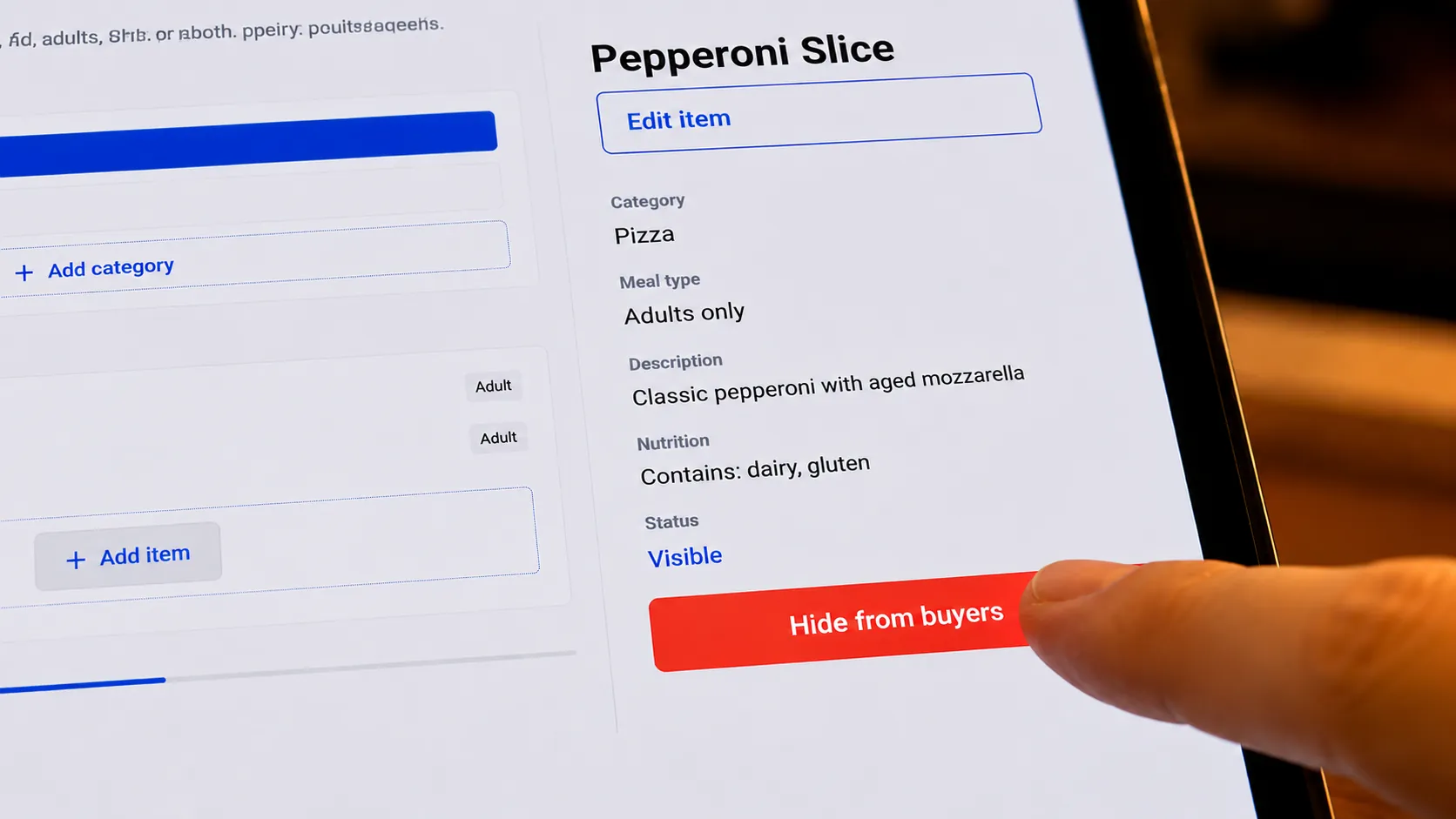 School Lunch OperationsSchool Lunch Menu Template for a Real School Day
A practical school lunch menu template that helps schools and restaurant partners plan clear choices, ordering cutoffs, prep, delivery, and a reliable handoff.
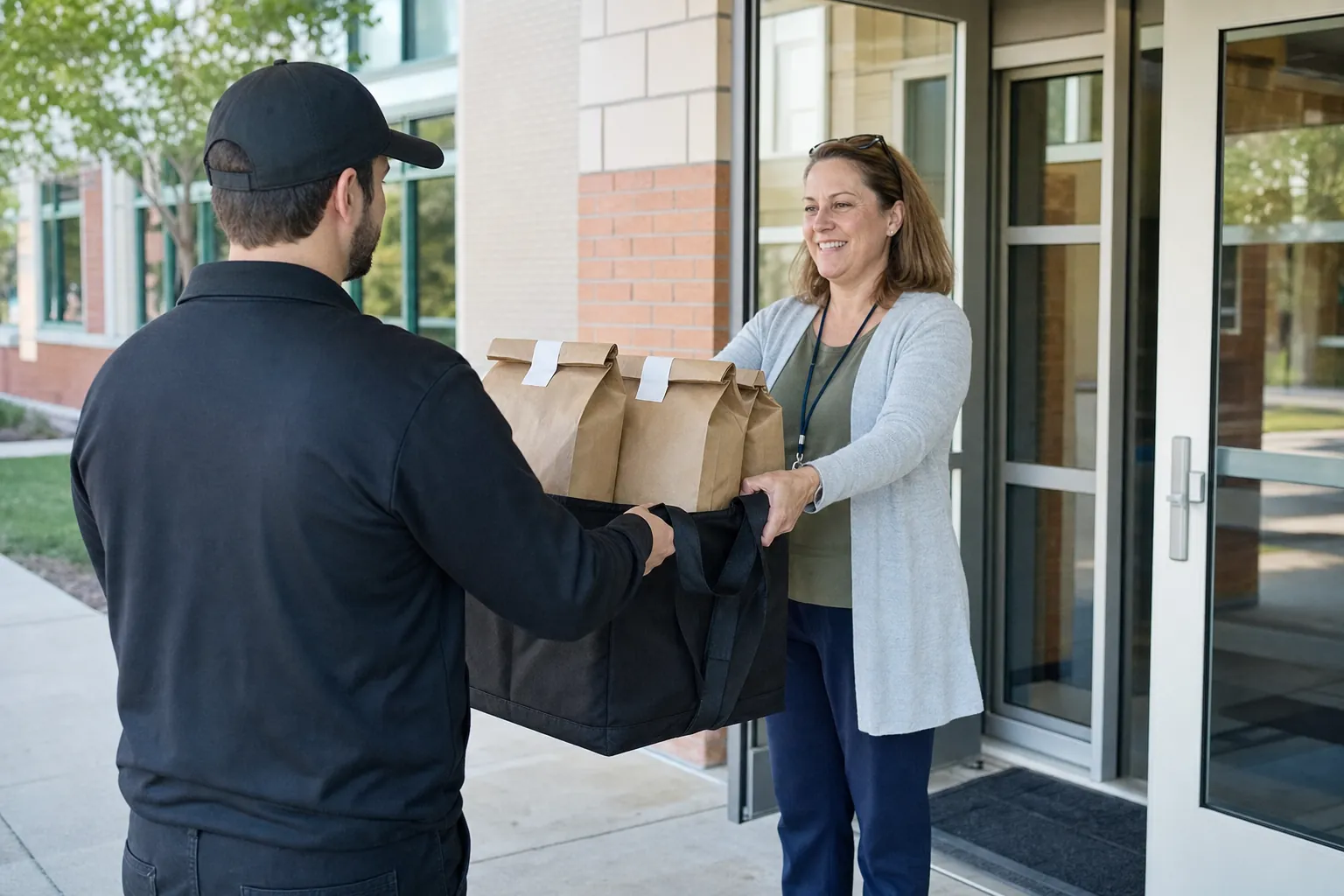 School Lunch OperationsCan You Get Food Delivered to School?
A practical guide for families and schools on when food delivery is allowed, what to check first, and how an approved lunch program keeps the handoff organized.
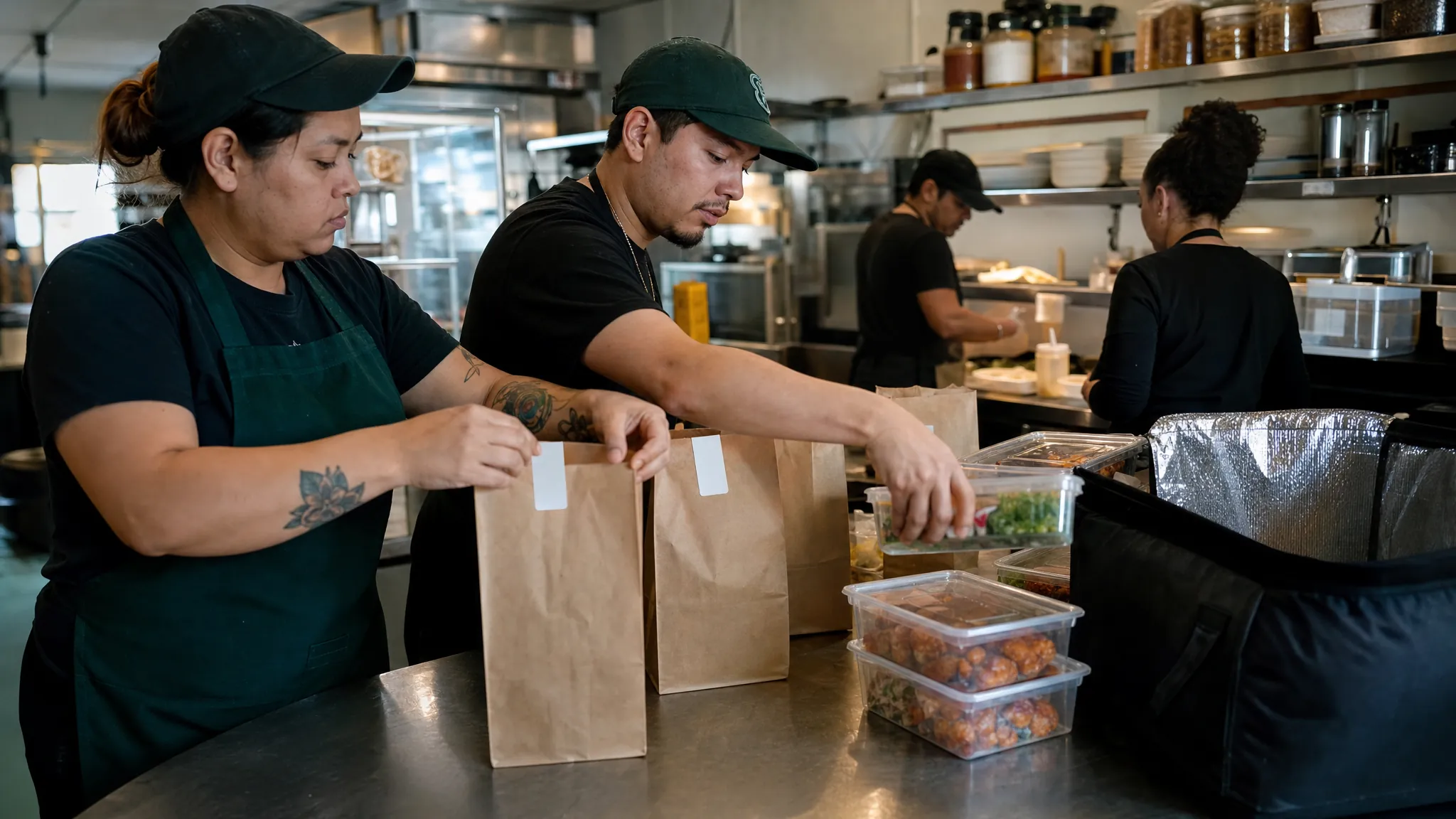 School Lunch OperationsMeal Packaging for School Lunch Programs: What Needs to Work
How to choose meal packaging for a school lunch program, covering food protection, labels, bagging, delivery, school handoff, and real-world testing.