A school lunch delivery service can look great in a proposal and still make lunch day harder. A menu is easy to picture. The less glamorous questions are where programs earn their keep: who sees the final count, how each meal is labelled, what time the driver arrives, who receives the bags, and what happens when a parent has a question at 10:47 on a Tuesday.
For a school team, the right choice is not simply the service with the most options. It is the one whose daily routine fits the people doing the work. This guide gives schools a way to compare restaurant-prepared lunch delivery services without getting distracted by a beautiful menu and discovering the operational mess later.
Quick takeaways
- Compare the full lunch-day routine, not just the food and price.
- Make the owner of every handoff clear: family, restaurant, driver, and school.
- Ask what the restaurant receives before prep, not only what families see while ordering.
- Test the first delivery day as a real operating day, then adjust the details that showed up.
Start with the school's actual lunch day
Before comparing providers, write down the routine that has to work. Which days will meals arrive? How many lunch periods are there? Where can a driver park and enter? Is there one receiving point or several? Who is available when the delivery lands? A service that works for a single lunchtime may not fit a campus with staggered schedules and a busy front office.
This is not paperwork for paperwork's sake. It gives every prospective provider the same brief and makes the comparison fair. If one team assumes bags can sit in the office for an hour and another plans a direct handoff to classroom coordinators, they are not solving the same problem.
Follow one order from a family to the lunch table
The most useful provider conversation follows one meal all the way through. A parent opens the school-specific menu, selects a meal, checks out before the cutoff, and receives confirmation. Then what? Ask how the order becomes a restaurant prep count, how changes or absences are handled, how individual meals are identified, and what the school receives with the delivery.
A good answer is specific. It should name the cutoff, explain what the restaurant sees, describe the label, identify the delivery window, and explain who has the information to resolve a missing meal. Vague answers about a smooth experience are not enough. Lunch is a sequence of small handoffs, and fuzzy ownership is where a normal Tuesday turns into a scavenger hunt.
Buy My Lunch is built around that chain. Families order from a school-specific menu, restaurant partners prepare against confirmed orders, and schools receive a clearer delivery and distribution routine. Our school lunch delivery guide walks through those steps in detail.
Look closely at order cutoffs and restaurant prep
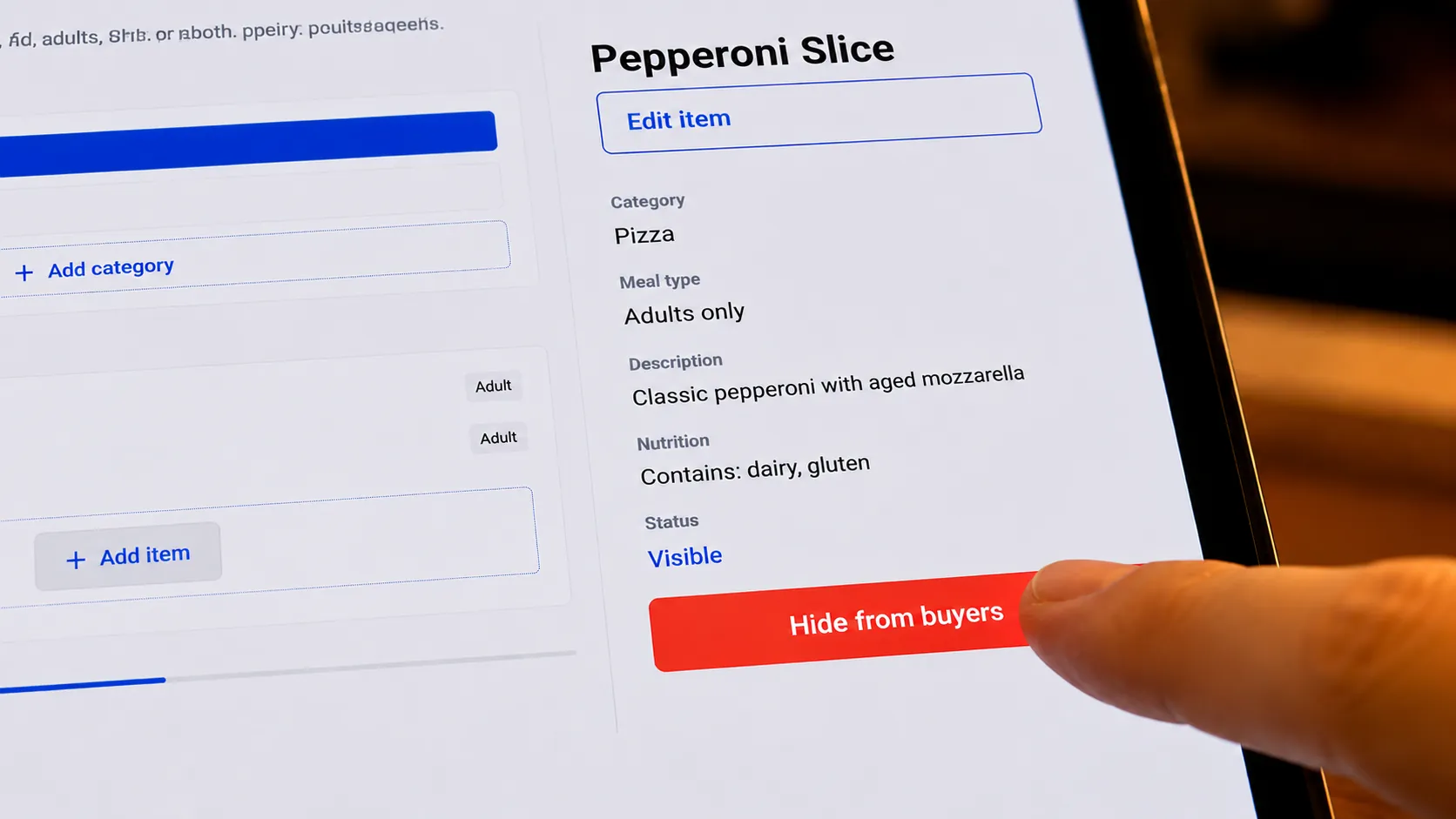
A delivery service needs an ordering deadline that feels reasonable for families and workable for the restaurant. A late cutoff may sound convenient, but it can leave a kitchen without a dependable count or enough time to pack individual meals. An early cutoff can be equally frustrating if families cannot see it clearly.
Ask providers how the deadline is communicated, what happens when an order comes in late, and whether the restaurant receives a final count in a format the kitchen can actually use. The question is not whether a system has a cutoff. Every functioning service does. The question is whether that cutoff protects the restaurant's prep time while remaining obvious to a busy parent. See our guide to school lunch ordering cutoffs for the practical tradeoffs.
Check the delivery and handoff details
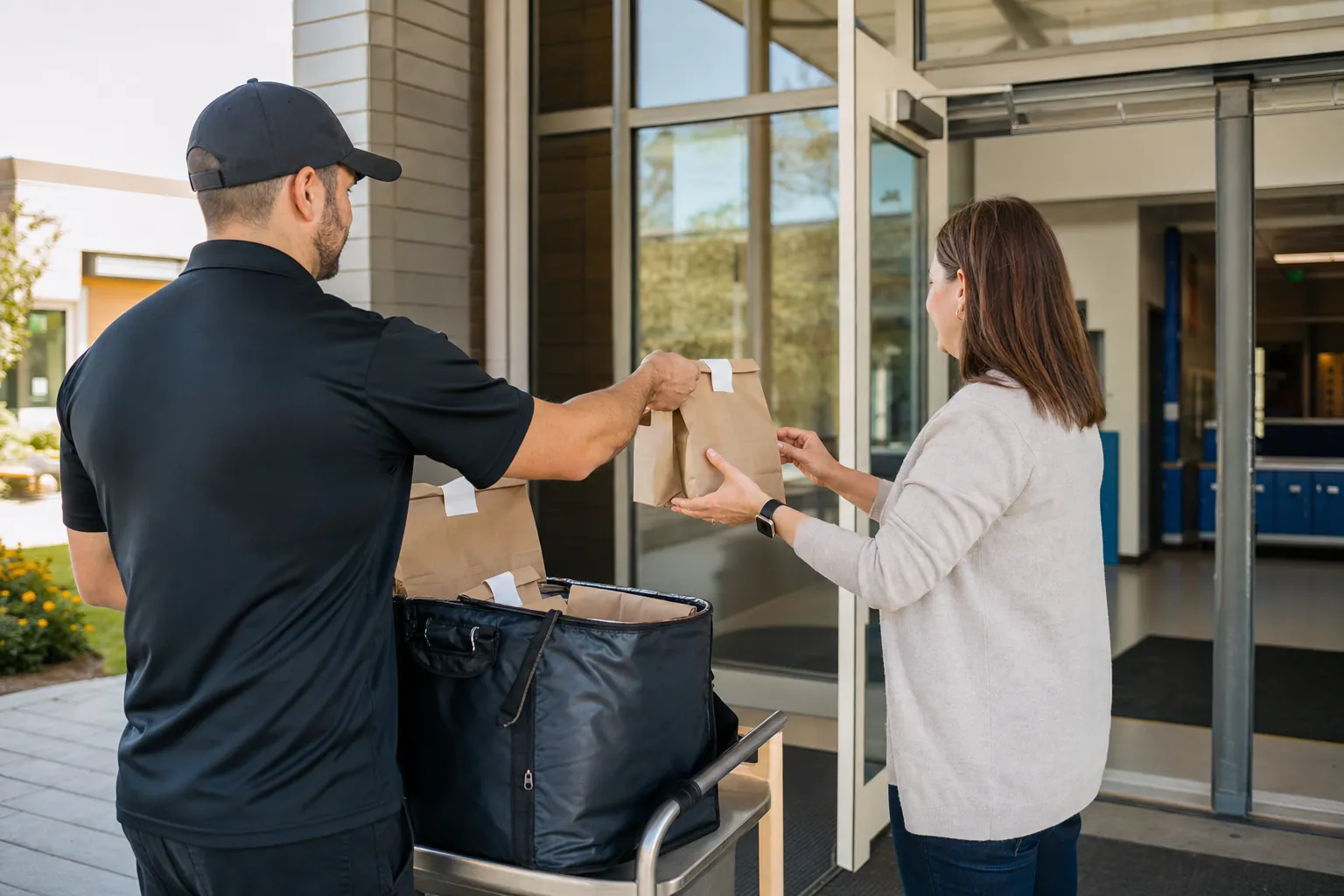
Food delivery to a school is different from dropping off a few takeout bags at an office. A school needs an agreed arrival window, a receiving point, a named contact, and a plan for sorting meals. Restaurant teams need clear instructions on where to go, who to call, and how much time the handoff realistically takes.
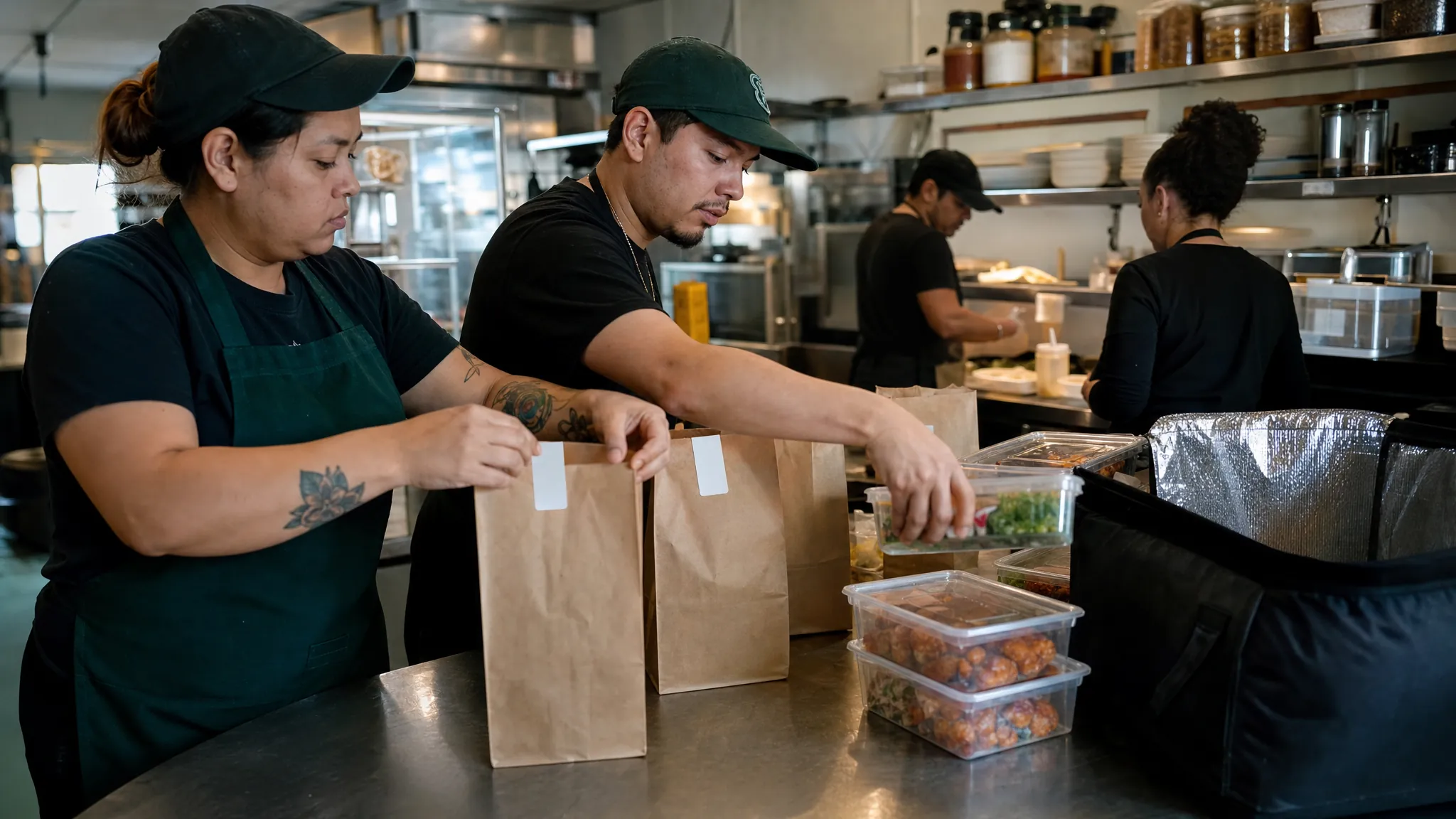
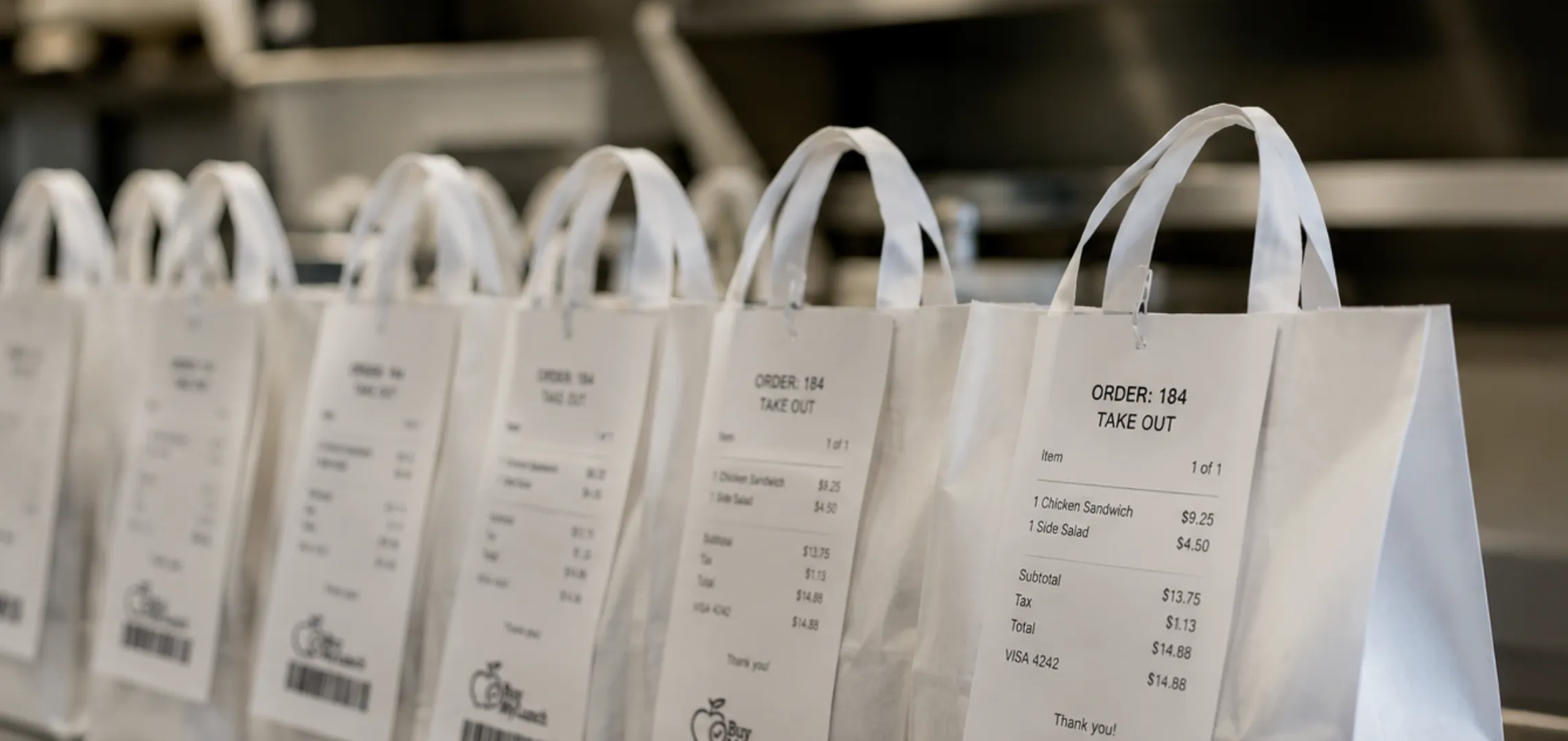
Ask to see an example of a delivery roster or packing list. Ask how meals are organized for staff, whether labels match the way the school distributes lunch, and what is expected if something arrives late or incomplete. These are not gotcha questions. They are the details that make a restaurant partner's good food usable when the bell schedule is not negotiable.
Make labels and packaging part of the comparison
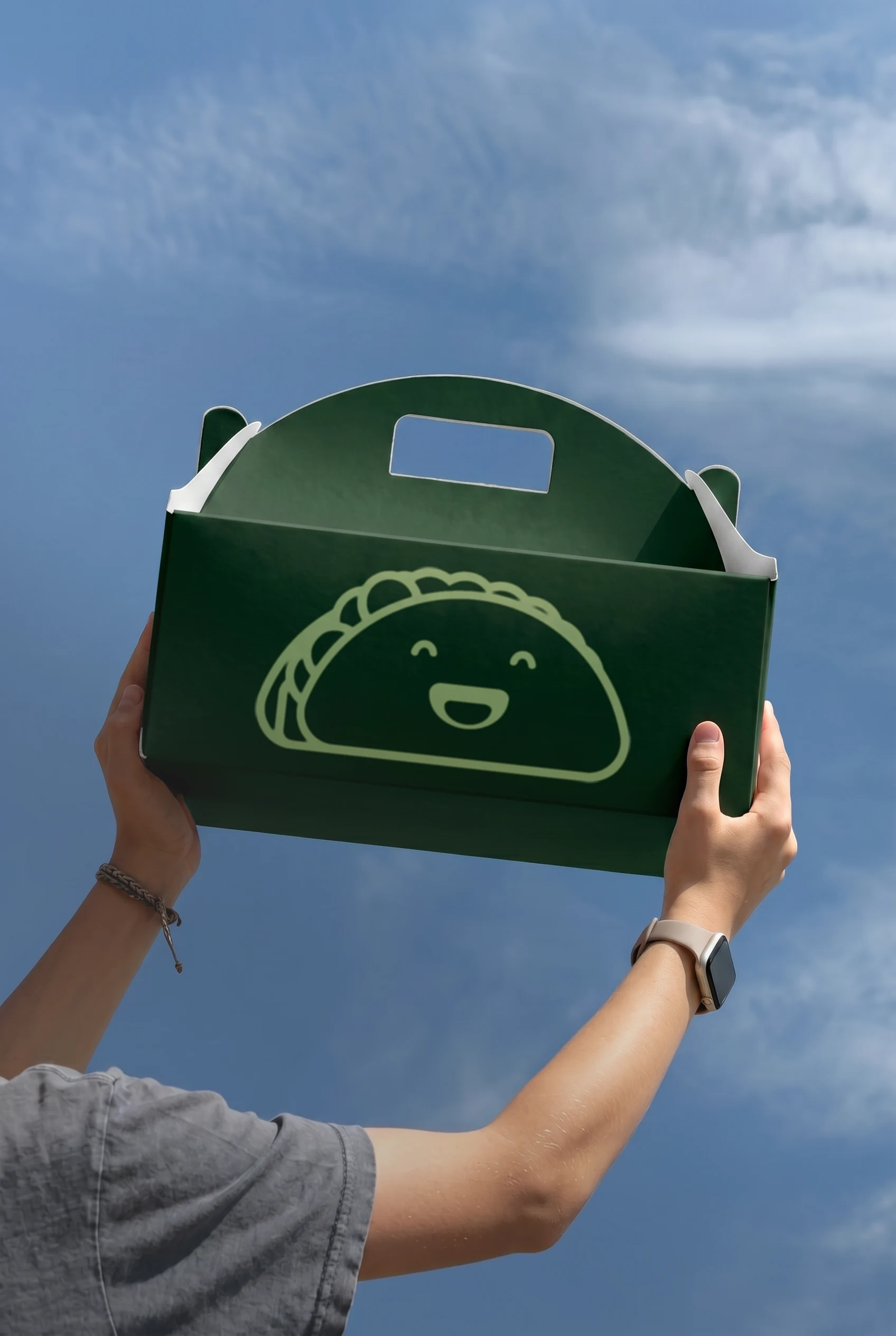
A meal can be delicious and still be hard to hand out. Labels need enough information for staff to identify the right meal without turning distribution into a guessing game. Packaging needs to suit the menu, route, and the way students receive lunch. Those choices belong in the service discussion from the start, not after the first delivery exposes the gap.
Ask each provider how an individual order is packaged, what appears on the label, whether bags are grouped in a useful way, and who checks the completed order before it leaves the restaurant. Our meal packaging guide gives school teams a practical list of what to review.
Know who supports families and the school
Lunch-day support has two audiences. Families need a clear place to ask about orders, payments, or a missing meal. School staff need to know who can help when a delivery is delayed, a roster looks wrong, or a student is absent. A provider should be able to explain who owns each kind of question and how quickly the right person can see the needed order details.
The best setup does not make the school office become customer support by default. School staff should have enough visibility to handle the handoff, while the service and restaurant partners handle the ordering details they own.
Run a small, honest first-day review
Do not judge a service only by the launch call. After the first lunch day, gather the people who saw the operation: the school contact, restaurant lead, delivery person, and support owner. Review arrival time, expected versus delivered count, label clarity, distribution bottlenecks, parent questions, and anything that created extra work for the school.
Then fix the small things before they become the program's permanent personality. A better drop-off point, a clearer cutoff reminder, or a different way to group bags can matter more than another menu item.
A simple comparison checklist
- School-specific menus and a clear family ordering path.
- A documented cutoff that gives restaurant partners a real prep count.
- Individual order details that work for the school's distribution method.
- An agreed delivery window, entrance, receiving person, and backup contact.
- Packaging and labels designed for the actual journey from kitchen to student.
- Clear ownership for parent support, school-day issues, and restaurant communication.
- A launch review that uses what happened, not what everyone hoped would happen.
How Buy My Lunch helps
Buy My Lunch helps participating schools run restaurant-prepared lunch with the everyday details connected. Families order ahead through a school-specific menu. Restaurant partners receive organized orders for prep. Delivery and school handoff are planned around the lunch day rather than bolted on at the end.
Schools exploring a new program can learn more about school lunch delivery or hot lunch programs for schools. The goal is not more moving parts. It is a lunch day with fewer loose ends.
Frequently asked questions
What should a school lunch delivery service handle?
A workable service should make the full lunch-day chain clear: school-specific menus, family ordering, an advance cutoff, restaurant prep counts, individual meal details, delivery timing, a named receiving point, and a way to resolve questions. The exact model varies, but the handoff should never be an afterthought.
How do schools compare school lunch delivery services?
Compare the everyday details rather than only the menu. Ask who manages parent orders and payments, what restaurants receive before prep, how meals are labelled, who delivers, where bags are received, what happens when a student is absent, and who answers lunch-day questions.
How far ahead should families order?
The order cutoff should give the restaurant enough time to purchase, prepare, pack, label, and deliver the confirmed meals. A day-before cutoff is common, but the right timing depends on the school calendar, restaurant capacity, and delivery plan.
Can a school use local restaurants for lunch delivery?
Yes, when the school and restaurant have an agreed program model. The important part is that menus, family ordering, meal counts, packaging, delivery timing, and the school handoff are set before the first lunch day.
How does Buy My Lunch support school lunch delivery?
Buy My Lunch connects school-specific parent ordering with restaurant preparation, delivery details, and the school handoff. Families order ahead, restaurant partners prepare against a real count, and school teams have a clearer routine for receiving and distributing meals.