Teen lunch has a different job from the tiny lunches that worked a few years ago. It has to last through a long school day, feel like an actual meal, survive a backpack or lunch bag, and still be realistic on a Tuesday morning. The answer is not a giant list of fussy recipes. It is a short set of flexible lunch formats that teenagers will genuinely choose.
Quick takeaways
- Build around a filling main, a fruit or vegetable, and one extra that adds crunch, flavour, or staying power.
- Choose formats that travel well: wraps, bowls, pasta, snack plates, and warm food in a suitable container.
- Let a teen help choose the rotation. A lunch they recognise is more likely to be eaten.
- Follow the school’s allergy and food-storage rules before packing or ordering.
Start with a lunch format, not a perfect recipe
The fastest way to make lunch planning less exhausting is to stop trying to invent a completely new meal every day. Pick a format that works, then vary the filling. A wrap can carry grilled chicken, cheese, beans, vegetables, or leftovers. A grain bowl can start with rice or pasta and change with a protein, a vegetable, and a sauce packed separately. A snack plate can combine crackers or pita with cheese, fruit, vegetables, and a protein-rich dip.
That approach gives a teen enough choice without turning the fridge into a test kitchen. It also makes a school lunch easier to pack, open, and finish. The best option is usually the one that feels familiar, stays intact, and does not need a complicated assembly job during a short lunch period.

Make the main meal filling enough for the afternoon
Teenagers often need more than a small sandwich and a snack. Start with a main that has substance, then add components that make the meal feel complete. Think a wrap plus fruit and crunchy vegetables, pasta with chicken and a side of yoghurt, or a rice bowl with beans, vegetables, and a separate sauce. There is no magic food. The useful question is whether the lunch has enough food the student enjoys to carry them through classes, activities, and the ride home.
For families using a school meal program, remember that a restaurant-made lunch and a federally reimbursable school meal are not the same arrangement. The National School Lunch Program has its own meal-pattern rules. A packed or ordered lunch should follow the school’s own policies and the family’s needs rather than making assumptions about either.
Use choices teens can make their own
A practical teen lunch has room for preference. Some students want a hot meal. Some want something cold and quick. Some want familiar food with a different sauce, while others are happy trying a new bowl or wrap. Give a teenager a simple choice between two lunch formats for the week, then let them select the version they will actually eat. That small amount of ownership is usually more useful than packing a theoretically perfect lunch that comes home untouched.
When ordering through a participating school, the same principle applies. Review the school-specific menu together, check the deadline, and choose meals that fit the student’s appetite and the school day. Our parent ordering guide explains the practical steps before an order is placed.
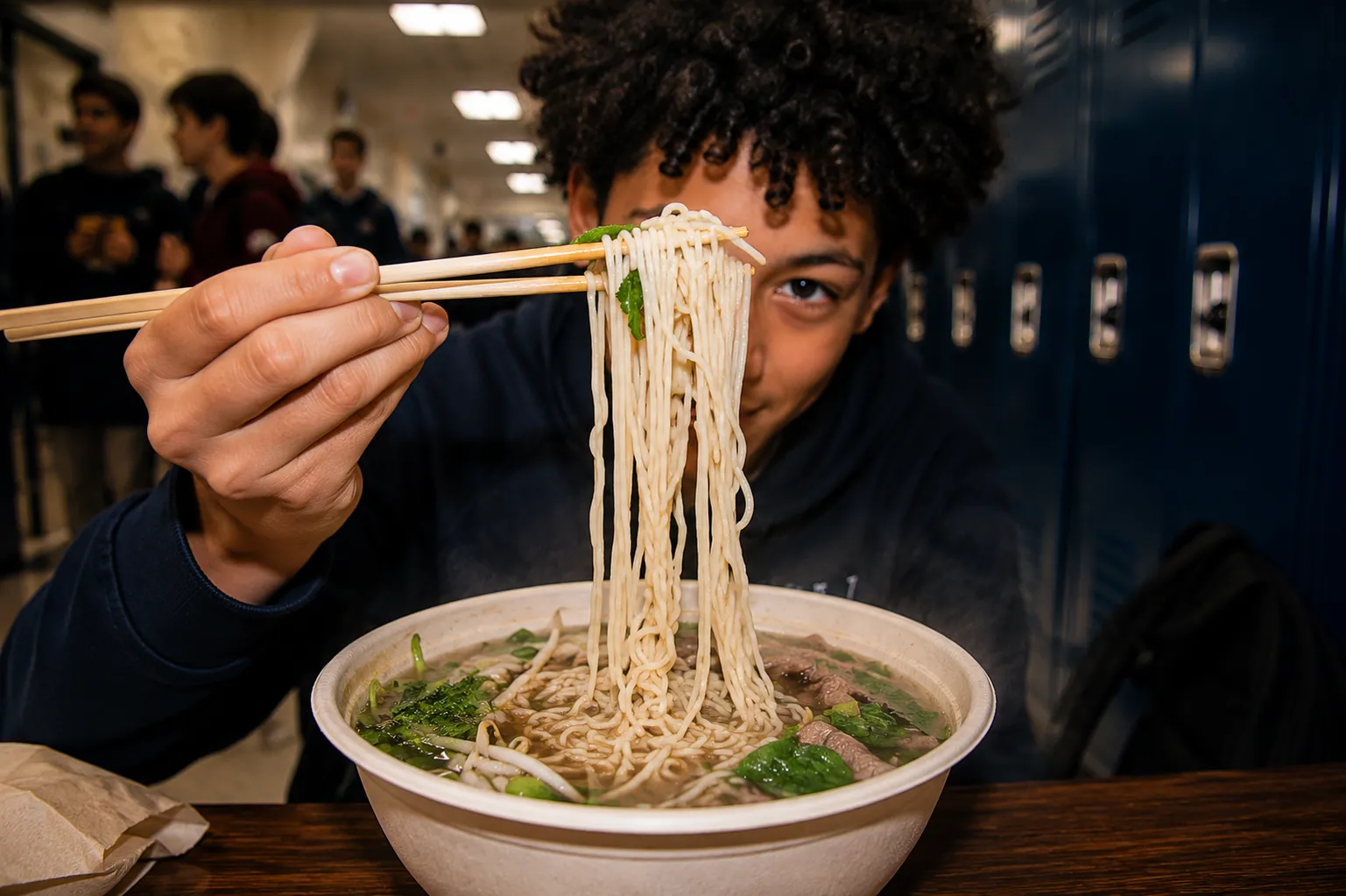
Plan for food safety before the morning gets busy
Lunch has to be safe as well as appealing. Perishable food needs to stay cold until lunch, while hot food needs the right container and enough heat retention for the time between home and the cafeteria. The USDA’s food-safety guidance is a useful reminder that cold food needs cold sources and that time and temperature matter.
Use an insulated lunch bag when it makes sense, pack cold items beside a cold source, and keep sauces or wet ingredients separate when that helps texture. Check school rules too. Allergy policies, refrigeration access, heating rules, and restrictions on outside food vary. Those small details are not glamorous, but they prevent the kind of lunch disappointment nobody needs at 11:45 on a Wednesday.
Five teen-friendly lunch rotations
1. The wrap rotation: Start with a wrap, add a protein and something crunchy, then rotate sauces and vegetables. Pair it with fruit and a simple side.
2. The bowl rotation: Use rice, pasta, or greens as a base. Add a protein, colourful vegetables, and dressing on the side. It works cold or warm depending on the container.
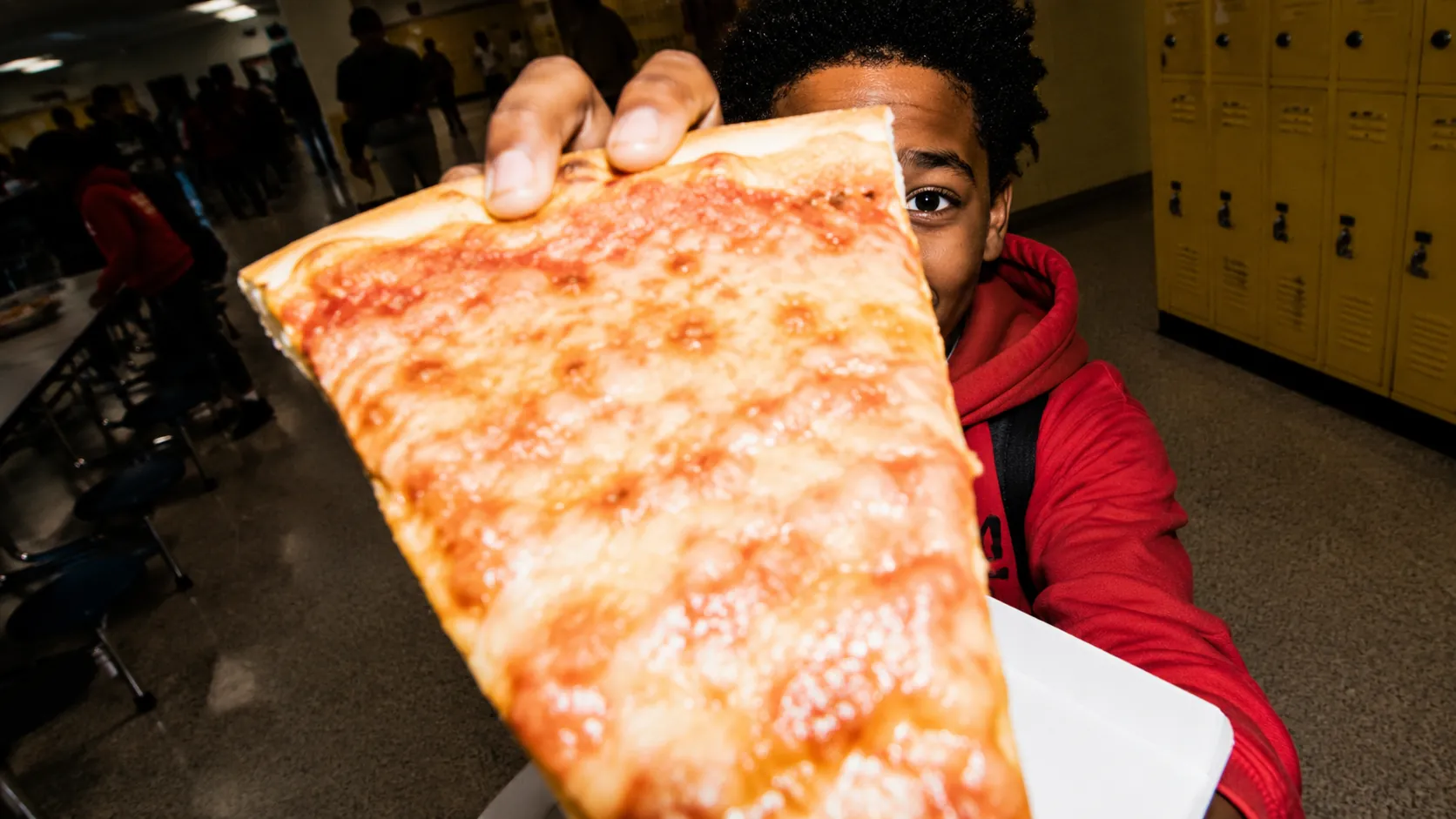
3. The familiar favourite: Pizza, quesadillas, pasta, or a sandwich can be a very good lunch when it is portioned for the school day and packed to travel well. Familiar does not mean boring.
4. The snack-plate rotation: Combine cheese, hummus, beans, eggs, or another protein with crackers or pita, fruit, and vegetables. It is flexible and easy to customise.
5. The leftover plan: Dinner leftovers can be an excellent lunch when they can be cooled, stored, and reheated or eaten safely. Build that option into the week instead of treating it as an afterthought.
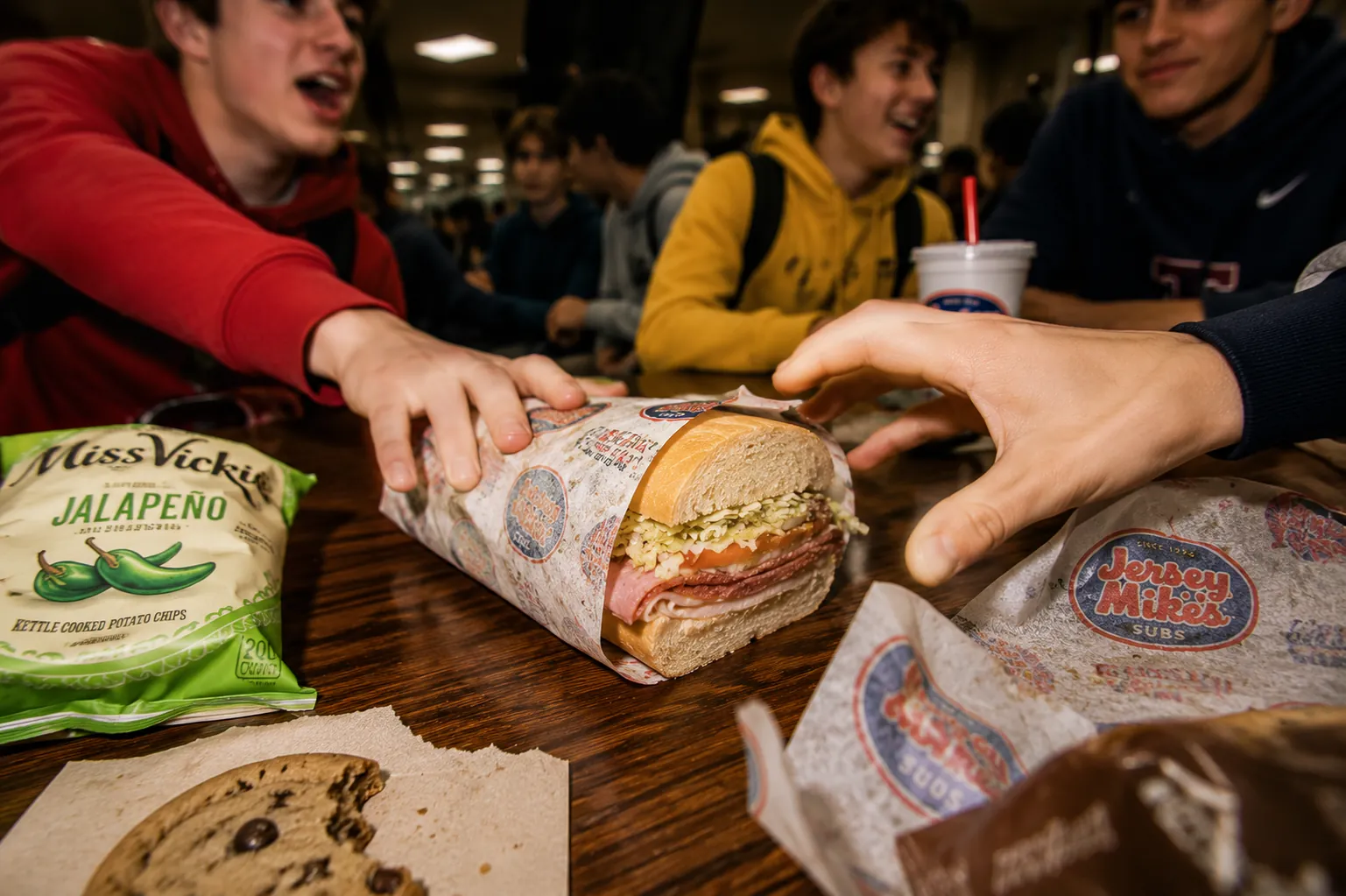
How Buy My Lunch helps
Buy My Lunch helps participating schools offer restaurant-made lunch with a routine that works for families, school teams, and restaurant partners. Families see a school-specific menu and order before the deadline. Restaurants prepare from a real count, and meals are organised for delivery and handoff at school.
That gives teens more choice than the same packed lunch on repeat, while helping adults avoid the loose ends that turn lunch into an office problem. Schools can explore hot lunch programs, and families can use the Parent Help page for practical order support.
Frequently asked questions
What are good school lunch ideas for teens?
Good school lunch ideas for teens are filling enough for a longer day, easy to eat in the time available, and familiar enough that the meal does not come home untouched. Wraps, bowls, pasta, quesadillas, snack plates, and restaurant-made favourites can all work when the school’s food rules and storage needs are respected.
How can teens make packed lunch less boring?
Start with a dependable format, then rotate the flavour. A wrap can become a chicken Caesar wrap, a hummus-and-vegetable wrap, or a turkey-and-cheese wrap. A bowl can use rice, pasta, or greens as a base. Small changes feel fresh without making weekday lunch planning complicated.
How should cold lunches be kept safe at school?
Perishable food needs to stay cold until lunch. USDA food-safety guidance recommends using an insulated bag and cold sources, and families should follow their school’s rules for refrigeration, allergies, and foods that may not be brought on campus.
Can Buy My Lunch help with teen lunch choices?
At participating schools, Buy My Lunch gives families a school-specific way to order restaurant-made lunch ahead of time. The menu, deadline, restaurant preparation, delivery, and school handoff are organized around the school day.