
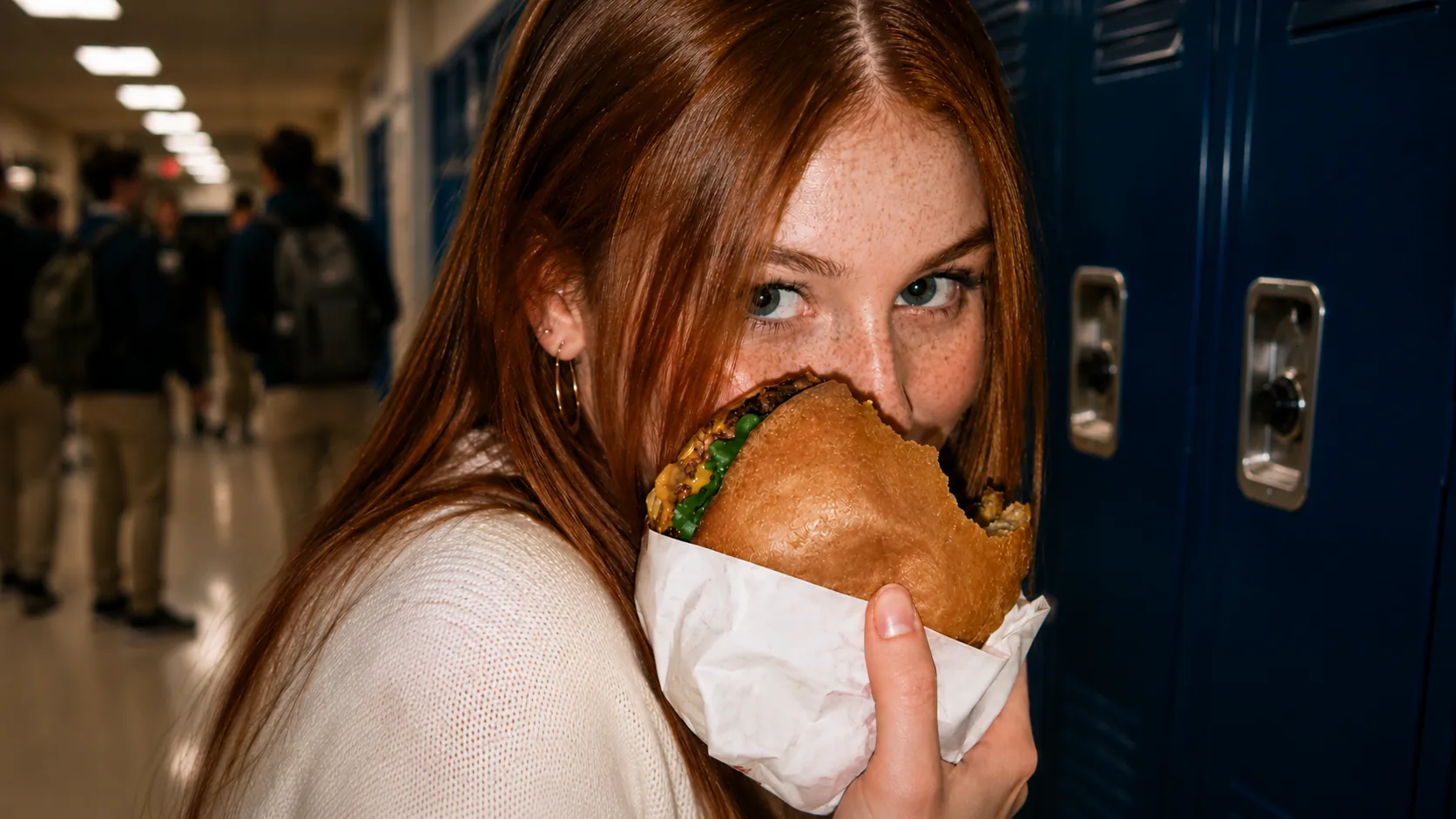
Elementary school lunch ideas have to do more than sound tasty. They have to make sense to a child, travel well, arrive with the right name on the right meal, and fit into a lunch period that does not pause because a wrap fell apart. That is a lot to ask of lunch, but school days are not especially interested in our best intentions.
The most useful ideas are not built around novelty. They start with familiar meal formats, then make the details work: manageable portions, clear ingredients, smart packaging, a short choice list, and a handoff the school can repeat. Families want confidence that their child will recognize the meal. Restaurant teams need orders they can prepare consistently. Schools need lunch to move without creating another daily puzzle.
This guide is for parent-paid, ordered-ahead restaurant lunch programs at elementary schools. Schools participating in federal school meal programs should continue to follow the applicable meal pattern, nutrition professional, and local guidance. The same practical question still applies to every menu: can students eat this easily, and can the adults get it to them reliably?
Key takeaways
- Elementary school lunch ideas work best when they are familiar, easy to open, manageable to eat, and realistic for a short lunch period.
- A small rotation of wraps, bowls, pasta, tacos, and familiar comfort foods gives students variety without creating a difficult prep or handoff day.
- The strongest menu choice is not just appealing on paper. It has to survive packing, delivery, labeling, distribution, and the time students have to eat.
- Families need clear choices. Schools and restaurant partners need a repeatable way to turn those choices into the right labeled meal at the right time.
- Buy My Lunch connects the menu, family orders, restaurant prep counts, delivery, and school handoff in one school-specific lunch flow.
What elementary school lunch ideas need to solve
A school lunch menu is a decision tool for families and a working plan for everyone behind the meal. A parent needs to understand what is being ordered. A student needs to be willing and able to eat it. The restaurant needs a count it can trust. The school needs a delivery that can be received and passed out without asking who ordered what.
Start by taking the food-photo test away from the menu. A meal can look great in a restaurant and still be a bad elementary school lunch if it needs a knife, leaks when it travels, turns soggy in its package, or requires a child to interpret six separate pieces at the table. The goal is not to make food boring. It is to make it work when the bell has already rung and a roomful of students is hungry.
The school lunch menu template is a useful place to map the practical details behind each choice: what is included, who prepares it, when orders close, how it is labeled, when it arrives, and who receives it. Those details turn a lunch idea into a lunch program.
Start with familiar menu formats
Familiar does not mean every student wants the same thing. It means the format gives a child an easy first read. A wrap, pasta bowl, quesadilla, pizza slice, taco, rice bowl, or snack-style plate tells students what they are getting before they have to negotiate with it. That matters when children have limited time and different comfort levels with new foods.
Build elementary school lunch ideas around a few dependable anchors, then vary the flavor, side, or restaurant partner. A chicken wrap can become a turkey wrap, a hummus pita, or a bean-and-cheese roll. A rice bowl can carry chicken, tofu, or beans. Pasta can move from red sauce to pesto to mild mac and cheese. The pattern stays recognizable while the menu avoids feeling like the same lunch on a loop.
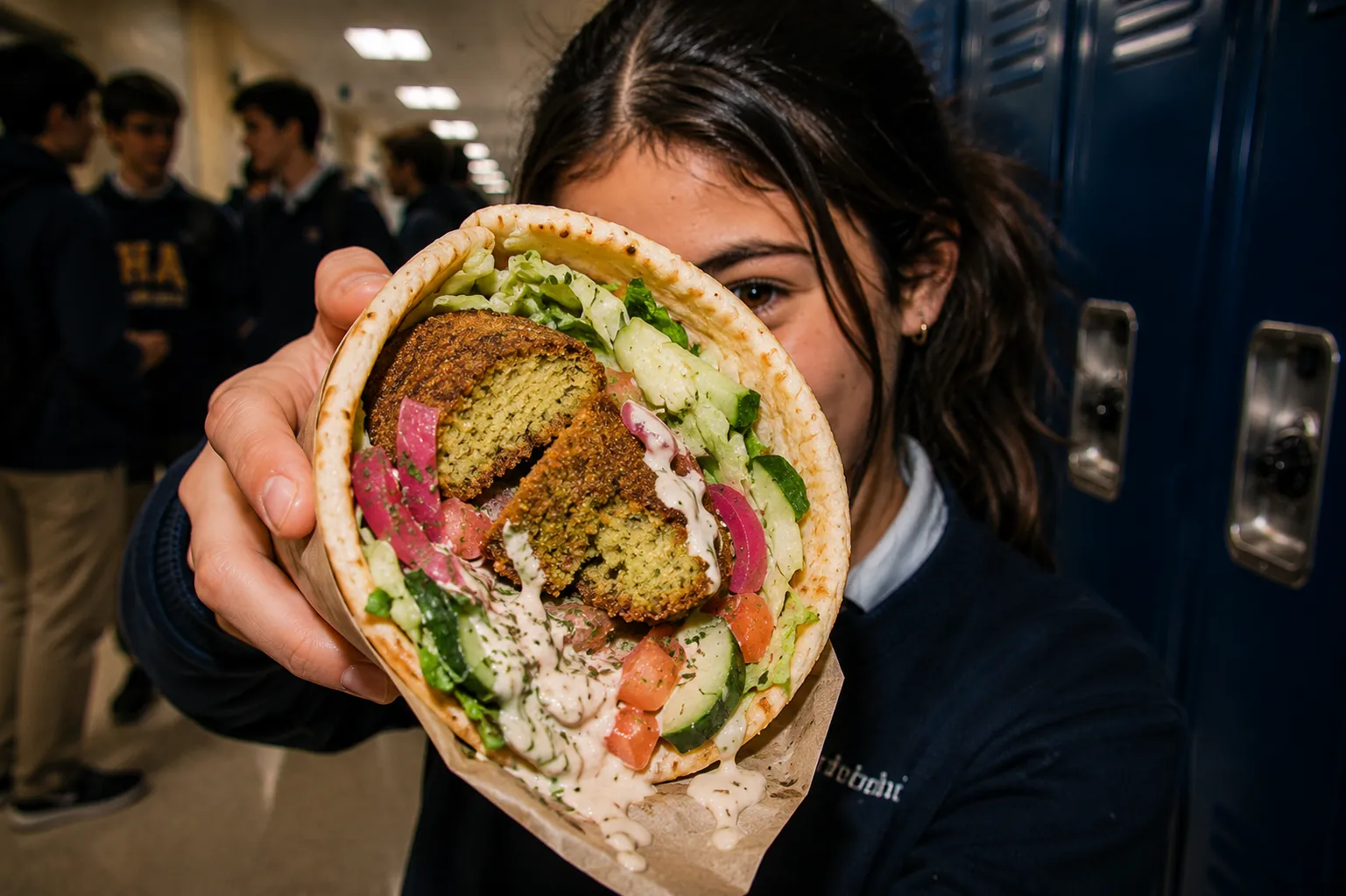
Good anchors for elementary school menus include:
- Wraps or pinwheels with a simple protein, fruit, and crunchy side.
- Rice, grain, or noodle bowls with a clear protein and vegetables students can identify.
- Pasta with chicken, meatballs, beans, or cheese, plus a side that travels cleanly.
- Quesadilla triangles or mild tacos with controlled sauce and a simple fruit or vegetable.
- Pizza or flatbread with a protein or vegetable side that makes the meal feel complete.
- Snack-style plates with cheese, turkey, hummus, crackers, fruit, and vegetables.
The meal does not need to prove anything. It needs to be something a child can recognize, open, and enjoy before the next transition. That is already plenty.
Build a short choice set
More choices can feel generous, but a long list usually shifts work downstream. Families take longer to decide. Restaurants manage more small variations. School staff receive bags that are harder to sort. A smaller choice set makes it easier to protect the experience for everyone.
A practical starting point is two or three main choices that share enough ingredients, packaging, and prep steps to travel together. For example, a wrap day can offer a turkey wrap, a hummus wrap, and a chicken wrap. A bowl day can offer one base with different proteins. That gives families a real choice without making each lunch day a production of its own.
Give each option a clear name, a plain description of what is included, and any information the provider can confirm about ingredients or allergens. Do not make a parent guess whether a “rainbow crunch bowl” contains a food their child will touch. Cute names are fine. Useful details are better.
Plan around the actual lunch period
Elementary students eat in the world as it exists, not in a menu meeting. They may have a short period, a noisy cafeteria, a line, conversations with friends, and a lunchbox or bag that needs to be opened without a personal assistant. The menu needs to respect that reality.
Test a new meal through the full day before putting it on repeat. Can it hold its temperature through delivery? Does the container keep sauces where they belong? Is the label easy for school staff to find? Can a younger student open the package? Does the meal need a fork, napkins, wet wipes, or a teacher rescue? Those questions are not fussy. They are the difference between a lunch that works and a lunch that becomes a story in the school office.
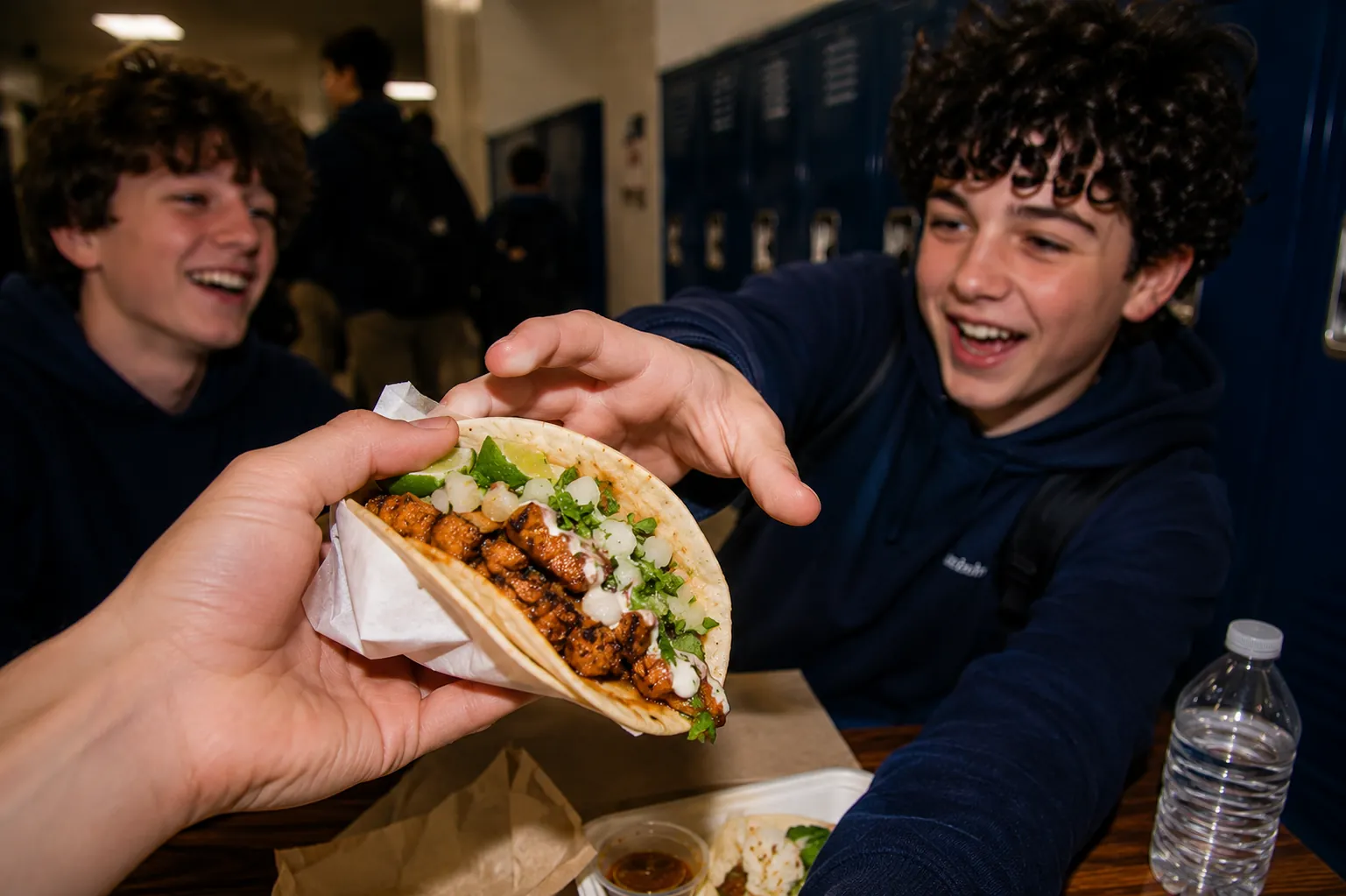
The meal packaging checklist can help restaurant teams think through containers, labels, bags, and delivery handoff. Pair that with the school lunch delivery guide before launch, especially when the route includes more than one school or receiving point.
Use a weekly menu rhythm
Families do not need a brand-new food concept every day. A weekly rhythm makes ordering easier because people know what kind of meal to expect, while still leaving room for variety. Restaurants also benefit because recurring formats make purchasing, prep, labeling, and packaging more predictable.
One simple rhythm might look like this:
- Monday: wraps or pinwheels with fruit and a crunchy vegetable.
- Tuesday: pasta or grain bowl with a clear protein option.
- Wednesday: tacos, quesadillas, or a build-free Mexican-inspired meal.
- Thursday: pizza, flatbread, or a warm comfort-food format with a balanced side.
- Friday: a familiar favorite, with a small rotating special when the team is ready.
This is a framework, not a law of lunch. Schools can use the days that fit their calendar, restaurant partners, and family preferences. The important part is giving the whole program a repeatable shape. When everyone knows the pattern, it is easier to notice what is working and what needs a change.
Use feedback without turning lunch into a referendum
Empty bags, repeat orders, and questions from families are useful signals. Watch what is chosen, what is left behind, and what causes preventable confusion. A meal that gets ordered often but comes back untouched may need a different portion, side, sauce, or package. A meal that rarely gets selected may need clearer copy or may simply not belong in the rotation.
Ask focused questions. Was it easy to open? Did students have time to finish it? Was the portion right? Did the meal arrive in good condition? Did the label make distribution easier? This feedback is more useful than asking whether everyone “liked the menu,” which is how you end up with seventeen opinions and no decision.
For younger students, it is especially helpful to add variety one change at a time. Keep a reliable favorite on the menu, then test a new side or a new version of a familiar format. The kindergarten lunch ideas guide has additional advice for meals that are manageable for small hands and first-year school routines.
How Buy My Lunch helps make it workable
Restaurant-prepared lunch is most useful when the menu does not end at the order screen. Buy My Lunch helps participating schools turn a practical menu into an organized school-day process. Families order from the restaurant choices available at their school. Restaurant partners receive real prep counts. Meals are labeled for the school, then delivered into a clearer handoff.
That structure lets schools offer more variety without asking staff to become lunch coordinators by accident. It lets restaurants prepare toward actual demand instead of guessing. And it gives families a school-specific option that fits the day their child is actually having.
Families can start with the parent ordering guide. Schools considering a program can review the online hot lunch ordering page, and restaurant teams can see the restaurant partner guide.
Frequently asked questions
What are good elementary school lunch ideas?
Good elementary school lunch ideas are familiar enough for children to recognize, easy to eat in a short lunch period, and complete enough to carry them through the afternoon. Wraps, pasta, rice bowls, quesadillas, pizza, mild tacos, yogurt-and-fruit combinations, and simple snack-style meals can all work when the portions, packaging, and school handoff are planned.
How many lunch choices should an elementary school offer?
Start with the number of choices the restaurant and school can reliably prepare, label, deliver, and hand out. Two or three dependable options are often more useful than a large menu that creates substitutions, late counts, and confusion at pickup. Add variety after the basic rhythm is working.
What makes a lunch easy for elementary students to eat?
Elementary students benefit from food that is easy to identify, open, hold, and finish. Keep sauces controlled, use manageable pieces, include utensils only when necessary, and avoid making a child assemble a complicated meal at the table. The meal should work without turning lunch staff into a repair crew.
Can restaurant-prepared meals work for elementary schools?
Restaurant-prepared meals can work well for elementary schools when they are planned for the school day rather than treated like ordinary takeout. The menu, order cutoff, prep count, labels, delivery timing, receiving point, and student distribution process all need to be clear before the first lunch is served.
How do schools handle food allergy information on lunch menus?
Schools should use only the ingredient and allergen information the meal provider can confirm, follow their own policies, and keep the parent support path clear. A menu should not guess. When an item or substitution changes, the information should be updated before families place an order.
How does Buy My Lunch help with elementary school lunch?
Buy My Lunch gives participating schools a school-specific way for families to order restaurant meals ahead of time. Restaurant partners receive real prep counts, meals are labeled for the school, and the delivery and handoff are organized around the school day.
Related posts
 School Lunch OperationsSchool Lunch Menu Template for a Real School Day
A practical school lunch menu template that helps schools and restaurant partners plan clear choices, ordering cutoffs, prep, delivery, and a reliable handoff.
 Lunch IdeasKindergarten Lunch Ideas for School Menus
How schools and restaurants can shape kindergarten-friendly menus that are familiar, manageable, and realistic for the school day.
 Lunch IdeasHealthy School Lunch Ideas for School Menus
Restaurant-prepared school lunch ideas that balance nutrition, kid preference, lunchroom time, and real delivery logistics.